

Boko Haram leaders valued western education knowledge for the tactical advantages it offered.
Articles on Girl child
Displaying all articles

Governance failure and location of schools around large expanses of unprotected forest zones make school children easy targets for bandits in Nigeria’s north-west.

Free secondary educational policy in Ghana is worthwhile but struggles to keep up with quality.

Almost one in three teen mothers do not return to school. Cash incentives help get them back, but affordable day-care is essential too.
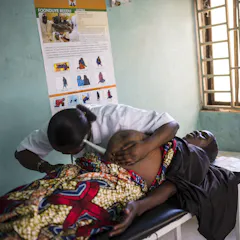
When women have opportunities, a country’s economic productivity and development is enhanced.
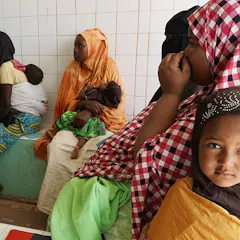
The average Nigerian woman or child faces a host of hindrances in accessing health services.

The Igbos, like most other indigenous groups, believe in maintaining a legacy of not just their language, but other values, including trans-generational business legacies.
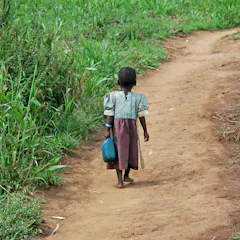
Social norms, practices and attitudes in African societies hinder the lives, survival and development of girls.
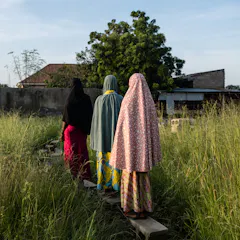
Understanding the drivers of early childbearing in specific contexts is important for effective policy making.

An estimated 2000 million women have undergone female genital mutilation and millions more are at risk. The practice is carried out mainly for cultural and economic reasons.

Tanzania’s government must focus on the drivers of teenage pregnancy, which are entirely overlooked in current punitive policies, instead of expelling and arresting schoolgirls.

Nigeria must reduce its population growth to increase the quality of life for people in the country. A better knowledge of contraceptives can help achieve this.
Top contributors
-

Associate professor, University of Ibadan
-
Lecturer, Political Science, Obafemi Awolowo University
-
Professor of Geography, Faculty of Social Sciences and the Centre for Disaster Risk Management and Development Studies, University of Maiduguri, University of Maiduguri
-
Research Fellow, Obafemi Awolowo University, Regional Coordinator, Institute for Security Studies
-
Researcher, ODI Global
-
Professor of Marketing & Entrepreneurship, Unizik Business School, Nnamdi Azikiwe University
-
Postdoctoral fellow, University of Oxford
-
Researcher - Global Health, University of Oxford
-
Associate Professor of Sociology, University of Lagos
-
Professor of Demography and Social Statistics., Obafemi Awolowo University
-
Researcher, Maastricht Economic and Social Research Institute on Innovation and Technology (UNU-MERIT), United Nations University; Maastricht University
-
Associate Profesor in Education and Global Development, University of East Anglia
-
Extraordinary Research Fellow: South African Research Chair in Cities, Law and Environmental Sustainability, Faculty of Law, North-West University
-
Professor of International Development Studies, University of Portsmouth
-
Assistant Professor, Utrecht School of Economics, Utrecht University