
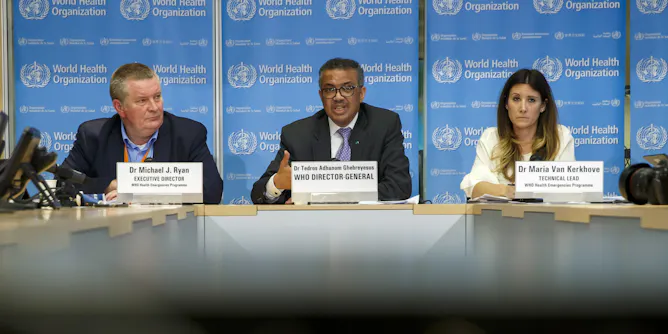
The WHO has been criticised for being slow to recognise the scale of the COVID-9 pandemic. We suggest a new protocol on infectious diseases to help with faster data collection and more open sharing.
Articles on Geopolitics
Displaying 161 - 180 of 230 articles
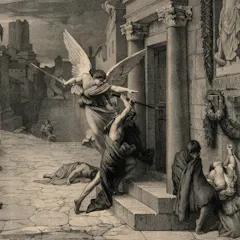
Societies and cultures that seem ossified and entrenched can be completely upended by pandemics, which create openings for conquest, innovation and social change.
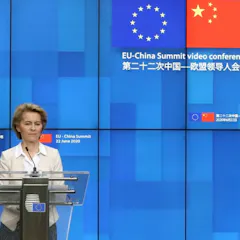
Long lenient toward China, Europeans have recently taken a firmer approach. Beijing’s conduct during the Covid-19 pandemic and its general intransigence have had a lot to do with this.
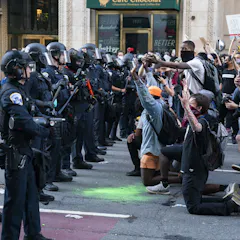
The racial unrest in the US has drawn accusations of hypocrisy and questions on democratic legitimacy from around the globe, world, including those in Indo-Pacific.
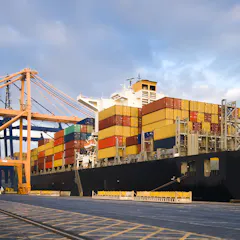
African policymakers should strenuously safeguard their right to choose from the widest possible range of technology options that suit their countries’ development needs.
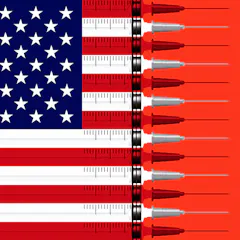
The US and its allies are demanding answers over how COVID-19 became a pandemic. But instead of pointing fingers at China, the inquiry should focus on scientific clues to help us thwart future disasters.
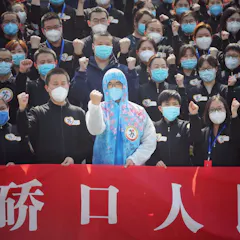
China is seeking to present itself as a model in the fight against the coronavirus – even if it means rewriting the history of the crisis and discrediting the governance of liberal democracies.
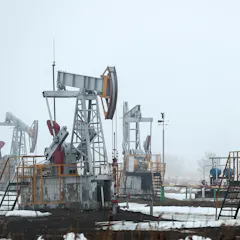
Has the world entered an era of ultra-low prices? An energy scholar argues that a long period of low oil prices will set the U.S. – and globe – back on the economy and the environment.
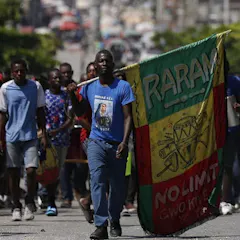
Haiti is embroiled in turmoil once again as people flock to the streets to protest rampant corruption in their government. But what are the roots of the problem?

Wars don’t produce winners and losers – they never really did.
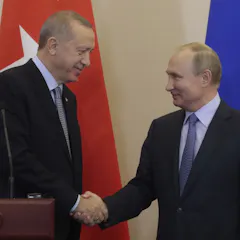
The EU’s rhetoric after Turkey’s military incursion in Syria has not been backed by concrete action or a persuasive engagement with Erdogan’s government.
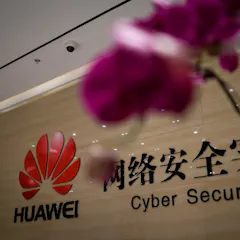
China and the United States are not at war, but cyberspace has created opportunities for intelligence gathering, influence and sabotage that are already taking place.
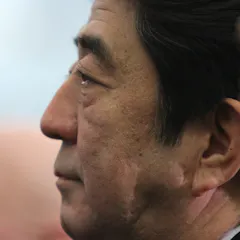
Japanese Prime Minister Shinzo Abe’s Cabinet reshuffle is an exercise in illusion. Yet it reveals some unwelcome truths about his political present - and future.
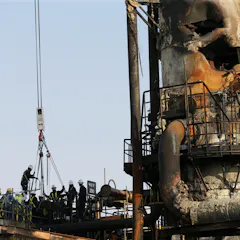
Energy-wise, the fallout from the attack on Saudi oil facilities has so far been very muted. The surge in oil production in the US over the past decade helps explain why.
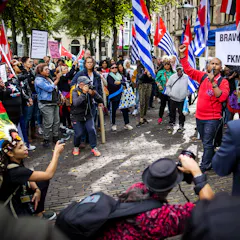
Indonesia’s strategic position in today’s geopolitical configuration explains the lack of response internationally.
A fifth of the world’s oil travels through the narrow waterway.
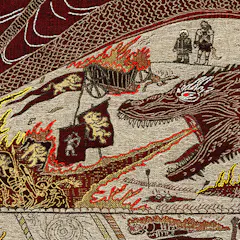
Even in this fantasy world, geological processes like tectonic plate movement, earthquakes and volcanic eruptions would have built the mountains, carved the rivers, and created vast oceans.
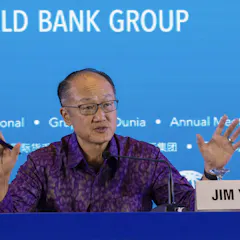
The power dynamics in the World Bank have changed dramatically.
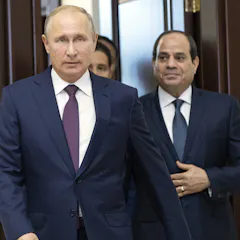
Russia’s efforts to sow discord, discontent and chaos extend far beyond the US, including into leading media outlets in the Arab world.
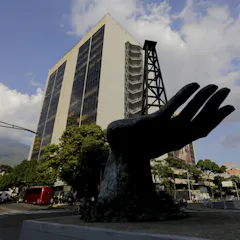
Can a new government, perhaps by shoring up democracy and oversight, harness this commodity for peace and prosperity?
Top contributors
-

Professor of AfroEurasian Sport, EM Lyon Business School
-
Outgoing Interim Director of the Frederick S. Pardee Center for the Study of the Longer-Range Future, Boston University
-
Professor of History and Political Science, University of Michigan
-
Lecturer in International Studies, University of Washington
-
Associate Professor of Sport Business, Manchester Metropolitan University
-
Professor of Political Science, Macalester College
-
Professor of Practice & Director, Fletcher Maritime Studies Program, The Fletcher School, Tufts University
-
Distinguished Professor, Arthur J. Gosnell Professor of Economics, & Head, Department of Sustainability, Rochester Institute of Technology
-
Hurst Senior Professorial Lecturer, Co-Director Transatlantic Policy Center, American University School of International Service
-
Postdoctoral Fellow, Center for Presidential History, Southern Methodist University
-
Fellow, Saint Mary’s University
-
Senior Research Fellow, Oxford Institute for Energy Studies, University of Oxford
-
Distinguished Professor of History and Environmental Studies, Penn State
-
Professor of International and Diplomacy Studies, Thabo Mbeki African School of Public and International Affairs, University of South Africa
-
Pro Vice-Chancellor Research and Professor of International Studies, La Trobe University