
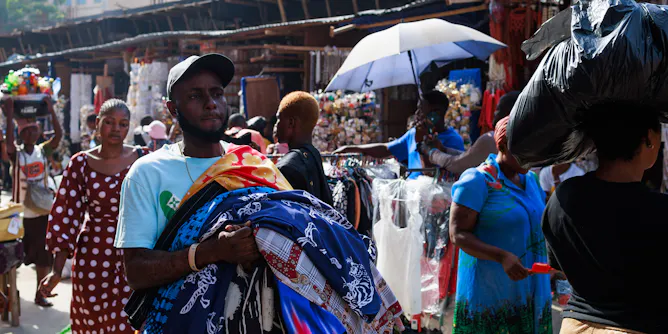
Nigeria’s economy grew but poverty worsened, especially in the rural areas. The country needs a radical shift in its economic policy approach to reduce poverty.
Articles on Fuel Subsidy
Displaying all articles
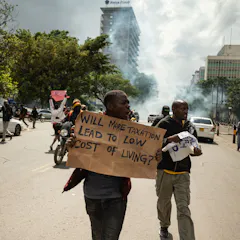
Citizens willingly pay taxes in return for government using these resources to provide services such as education and health.
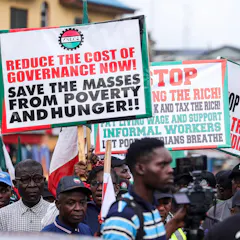
Africa’s largest economy is in crisis, and unrest is growing.
Just over a year since he was sworn in, Ruto is no nearer to turning the Kenyan ship around.
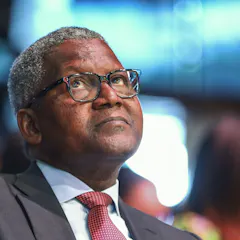
Dangote refinery will reduce Nigeria’s dependence on imported petroleum products and create jobs. But it may not be the best for the environment.
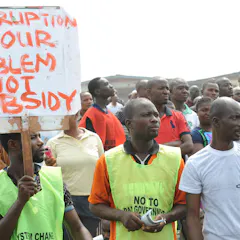
Fuel subsidy removal can benefit workers and poor Nigerians, if the process is carefully managed and implemented.
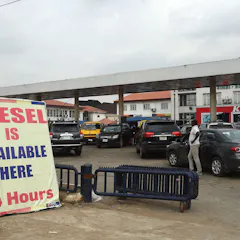
From the economic perspective, the year 2022 will be remembered, by many Nigerians, as a time of dashed hopes and disappointments.
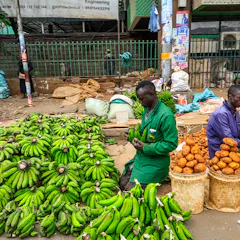
Kenya’s new president campaigned on economic promises, but meeting them won’t be easy or instant.
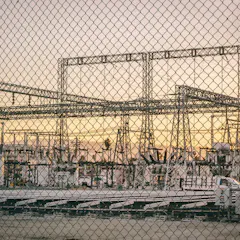
Indonesia has more than doubled its government-funded energy subsidies this year, to Rp 349.9 trillion (US$23.56 billion). But how else could that money be spent to help people who need it most?

Subsidies to shield the general population from oil price increases do not automatically reduce poverty and inequality.
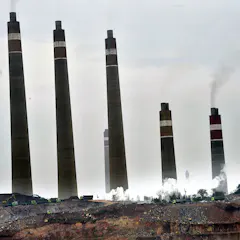
Policies supporting fossil fuels are an instant way to ramp up the economy. However, this could come back to hit Indonesia’s economy in the medium to long-term.
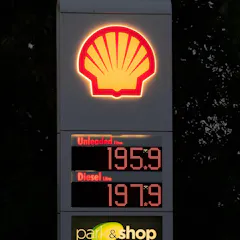
For expensive oil and gas to be politically acceptable, two things must happen.
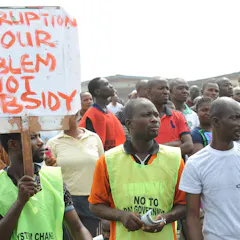
Removal of the fuel subsidy in Nigeria is long overdue, but replacing it with a transport grant is not the best approach.
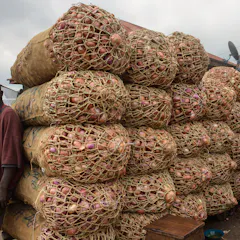
Food inflation figures in Nigeria give cause for concern. Accusing fingers are pointed at rising dollars, farmers and middlemen, but this expert says the can may have been placed on the wrong heads.

Nigeria must remove fuel subsidies and channel the funds to critical sectors of its economy.
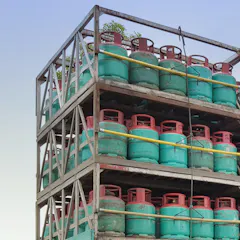
Reforms to fossil fuel subsidies must be combined with effective anti-poverty policies.

Traffic continues to increase, but more slowly than would have been the case if the reforms had not gone ahead.
Top contributors
-

Professor of Economics & Business, Allegheny College
-
Professor in Technology and Society, Chalmers University of Technology
-
Professor, Crawford School of Public Policy, Australian National University
-
International Relations Scholar, University of the Witwatersrand
-
Junior Researcher, SMERU Research Institute
-
Associate Researcher, Max Planck Institute for Social Anthropology
-
Lecturer, ARC Training Centre for the Global Hydrogen Economy, Particles and Catalysis Research Laboratory, UNSW
-
Professor, Faculty of Business and Management Sciences, University of Nairobi
-
Research Fellow, The University of Queensland
-
Graduate Student, Technical University of Munich
-
Professor of Energy Policy, SPRU, University of Sussex Business School, University of Sussex
-
Professor of Development Economics, University of Manchester
-
Professor, Sol Plaatje University
-
Senior Researcher, SMERU Research Institute
-
Associate Fellow of Political Economy, Institute of Development Studies