
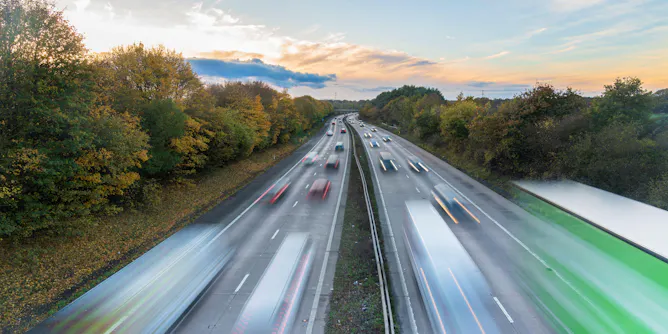
Physics suggests slower cars use less petrol. But in the real-world, fuel consumption depends on much more than aerodynamic drag.
Articles on Fuel efficiency
Displaying 1 - 20 of 35 articles

Australia’s new fuel efficiency standards are already working to cut emissions – but the real story is behind the scenes.

Artificial intelligence systems have big environmental costs but are also finding ways to save energy and water, cut emissions and make businesses more efficient.
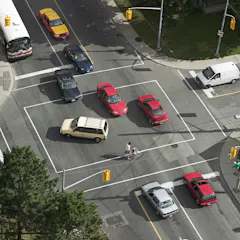
Even though research supports the change, most cities have been slow to ban left turns at even the most congested intersections.

Ending Labor’s EV tax break would make it much harder to cut surging emissions in Australia’s transport sector.

Penalties are crucial. Without them, automakers have no incentive to supply fuel-efficient, low-CO₂ emitting vehicles to the Australian market.

Higher speed limits are coming. But the case against them isn’t based on road safety alone – claims of increased economic efficiency are not supported by the evidence, either.
A new report from the Transport Energy/Emission Research consultancy examines Australia’s New Vehicle Efficiency Standard, finding it was weakened by late changes.

Australian vehicle emissions are even worse than official figures show and are likely to fall even further behind the rest of the world unless much more ambitious policies are adopted.
The road to fuel-efficiency reform in Australia is a bumpy one – and the Albanese government has hazards to negotiate before its proposal becomes law.
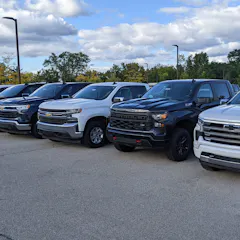
Electric cars are getting a lot of PR buzz, but automakers are still promoting – and many consumers are buying – vehicles that are major gas guzzlers.
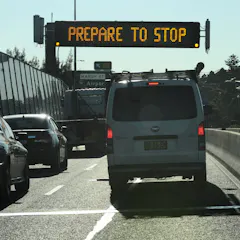
Labor has put fuel efficiency rules on the agenda. But the standards must be stringent and purpose-built for Australia.
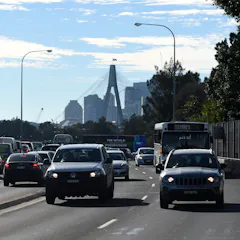
Opposition from vested interests – including oil refineries and the car dealership industry – has held Australia back on fuel efficiency. The onus is now on the Albanese government to intervene.
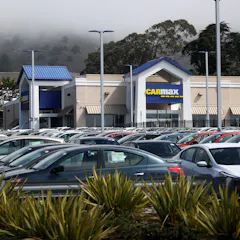
Electric cars get a lot of hype, but what really matters for the climate are excess emissions from the many millions of gasoline vehicles still sold each year.

You can reduce your fuel consumption by 15-20% with improved driving habits alone – reducing emissions and saving money at the same time.
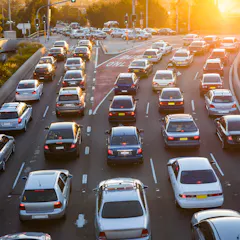
The continued upward trend in our second-biggest source of emissions is a result of government inaction on a transport mix dominated by trucks and cars and a lack of fuel-efficiency standards.

Surprise findings have revealed that Australia’s cars are getting less fuel efficient. This is bad news for the hip-pockets of motorists - and for the climate.
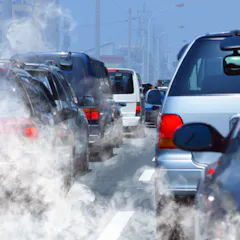
This shocking figure comes from our back-of-the-envelope calculations looking at the effect of forcing more efficient engines on the Australian market.
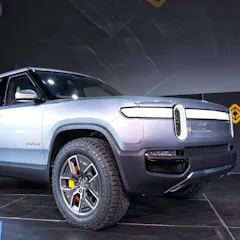
Researchers have found a way to evaluate how energy-efficient electric vehicles are, and compare the sizes and costs of batteries for different models.

The Trump administration’s move to freeze fuel economy standards reflects a sea change in American energy policy first born during an era of oil shortages and environmental crises.
Top contributors
-

Adjunct Professor of Transport, University of Technology Sydney
-
Senior Lecturer, Griffith Business School, Griffith University
-
Professor, School of Economics, The University of Queensland
-
Research Professor Emeritus, University of Michigan
-
Professor of Transport Technology and Sustainability, Swinburne University of Technology
-
Assistant Professor of Law, University of Oregon
-
Associate Professor in Environmental Engineering, University of Technology Sydney
-
Professor of Environmental Geography, School of Biological Earth and Environmental Sciences, UNSW Sydney, UNSW
-
PhD candidate Faculty of Science UNSW, UNSW
-
Professor of Citizenship and Democracy, Syracuse University
-
CSIRO
-
Professor of Management and Organizations, Duke University
-
Associate Professor in Atmospheric Chemistry, University of Wollongong
-
Professor of Psychology and Public Affairs, Princeton University
-
Norman Eig Professor of Business, Columbia University