

A linguistic expert explains the techniques Enron traders used to build and retain trust in their criminal strategies.
Articles on Forensic linguistics
Displaying all articles

Unmasking dark web criminals isn’t easy, but researchers are figuring out how to use their own language against them.

ChatGPT is posing new puzzles for the real teams of forensic linguists attempting to solve crimes.

The meanings we carry around in our heads seem so natural and inborn that we fail to realise other people can have quite different understandings.

Similar techniques used to identify criminals have been employed to unmask anonymous authors. But they aren’t foolproof.
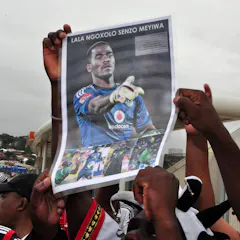
English has failed often as the main language of court in proceedings - this impacts testimony and must be addressed.
For decades, forensic linguists have helped crack cases involving false author attribution, masked voices, false confessions in criminal cases and copyright disputes.
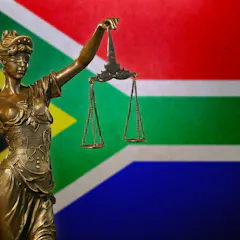
Most of the accused in criminal cases in South Africa would not be able to understand the record of their court proceedings.

Forensic linguists are called as expert witnesses in court cases to provide linguistic analysis of legal documents and other forms of oral and documentary evidence – including emojis.

Forensic linguistics can play a valuable role in interpreting evidence.

Analysing the words used to place blame or give evidence can change how we see a situation.
Top contributors
-

Postdoctoral research fellow (Forensic Linguistics/ Language and Law), University of the Western Cape
-
Professor of African Language Studies, University of the Western Cape
-
Research Associate, Aston Institute for Forensic Linguistics, Aston University
-
Senior Consultant/Professor Emeritus, Dept of Forensic Medicine, Monash University, Victorian Institute of Forensic Medicine
-
Researcher & PhD Candidate, University of Johannesburg
-
Professor in Criminology and Justice Studies, RMIT University
-
Professor of Linguistics, Monash University
-
Research Assistant, Forensic Linguistics, Aston University
-
Professor of Discourse Analysis, Department of Linguistics and Communication, University of Birmingham
-
Lecturer in Discourse Analysis and Language in the Media, Swansea University
-
Roger J. Kreuz is a Friend of The Conversation.
Associate Dean and Feinstone Interdisciplinary Research Professor, University of Memphis