
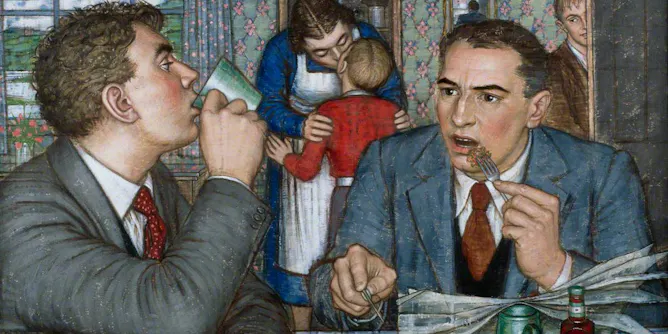
An exploration of why the English eat the way they do, and what those habits reveal about English society.
Articles on Food history
Displaying 1 - 20 of 58 articles
Like many food debates, this one is tangled up in culture, history and power.
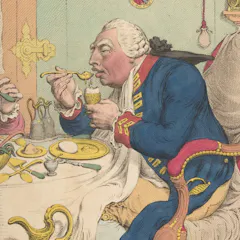
The King’s table was full of flavours from the British empire and beyond.
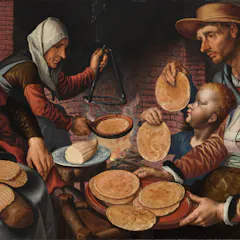
One recipe suggests using ‘snow’ as a winter alternative to eggs.
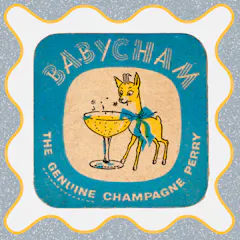
The first drink in Britain to have a serious, American-style advertising campaign
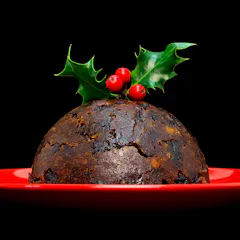
One is marginally higher in energy, protein, fat, saturated fat, carbohydrates, sugar and sodium. But which one is it? Christmas pudding or Christmas cake?

This spiced wine has been drunk in Britain since the Romans introduced it.
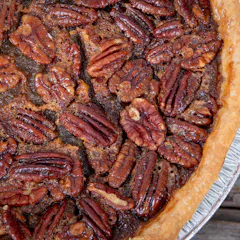
Pecans are a truly American nut: They grew on George Washington’s estate, and they flew to space on an Apollo mission.
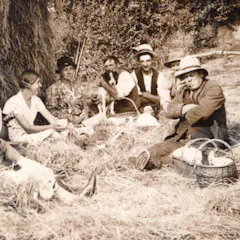
Devonshire dumplings – apples wrapped in pastry and baked – were made extra special when accompanied by a generous dollop of clotted cream.
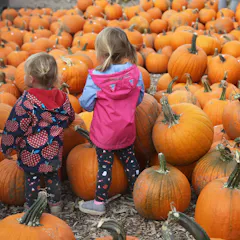
US farmers grow over 1 billion pounds of pumpkin each year.

Milk is never just milk. It’s saturated with meaning, emotion and contradiction, and provokes strong responses in people.
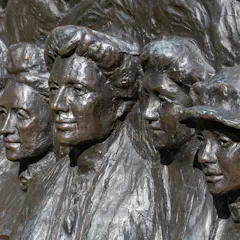
On the anniversary of New Zealand women gaining the vote in 1893, a recipe for Spanish cream gives a glimpse into the personal world of suffrage leader Kate Sheppard.
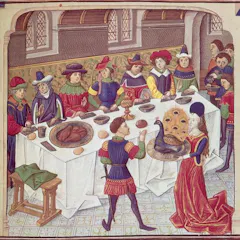
Middle ages recipes were meant to act as a reminder, a series of quick notes to recall to mind something taught orally.
People have been fermenting food since before the written word.

An expert in American dialects explains how a ‘health drink’ from the early 1800s spawned so many names and variations.
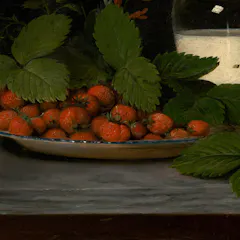
Victorian Londoners consumed 12 million berries a day over the summer.
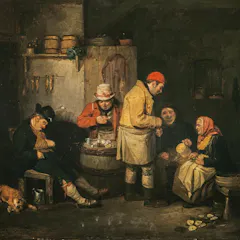
Oysters and escargot are recognised as luxury foods around the world – but they were once valued by the lower classes as cheap sources of protein.
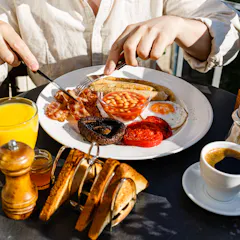
From Spartan feasts to Sunday brunches, the way we eat has transformed since our hunter-gatherer ancestors first shared meals around the hearth.
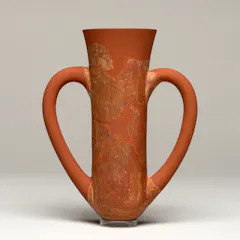
Based on organic residues – imperceptible to the naked eye and detectable only at a molecular level – bronze age wine consumption must be fundamentally reconsidered.

Hagiographies (writing on the lives of saints) give us a glimpse of the food culture of early medieval Ireland, when Patrick lived.
Top contributors
-

Associate Professor of Hospitality Management, Colorado State University
-
PhD Candidate, Department of History, University of Warwick
-
Senior Lecturer in English, Loughborough University
-
Senior Lecturer in History, University of Waikato
-
PhD in History, University of Bristol
-
Honorary Research Fellow, The University of Western Australia
-
Reader in Modern European History, Leeds Beckett University
-
Professor of History, University of Warwick
-
Lecturer in Culinary Arts & Gastronomy, Auckland University of Technology
-
Senior Extension Specialist in Horticulture and Landscape Architecture, Oklahoma State University
-
Lecturer in Architectural History, University of Oxford
-
Senior Lecturer, Nutrition, Swinburne University of Technology
-
Associate Professor of Anthropology; Faculty Co-Chair, Interdisciplinary Minor in Latin American and Latinx Studies, McMaster University
-
Ph.D. Candidate in Genetics and Genomics, Texas A&M University
-
Associate Professor of History, Michigan State University