
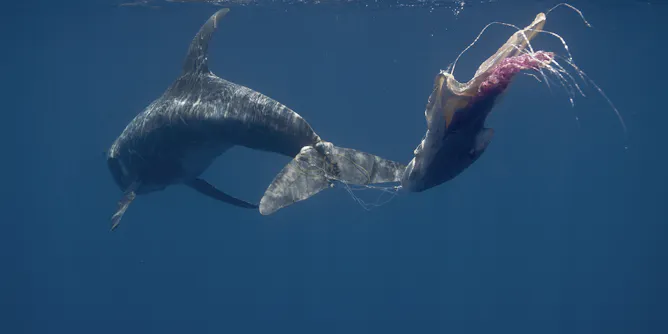
Entanglement is a major animal welfare issue for marine mammals. A successful rescue is not just whether an animal is cut free but whether it recovers from injuries.
Articles on Fishing gear
Displaying all articles

As Lake Chad dries up, livelihoods erode and Boko Haram profits, taxing fish and cattle.
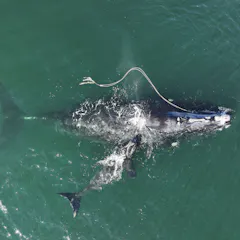
Even when female North Atlantic right whales survive entanglement in fishing gear, it may affect their future ability to breed, increasing the pressure on this critically endangered species.
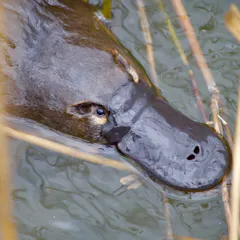
Platypuses are drowning in Australian waterways, tangled in fishing line and trapped in closed nets meant for freshwater crayfish or yabbies. But we can fix this.
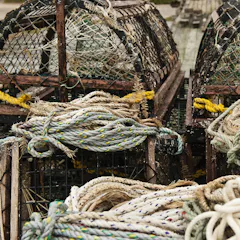
To fish the oceans sustainably, nations must reduce bycatch, or accidental catches. But fishermen often resist changing gear or techniques that kill nontargeted species.

The scars many whales bear throughout their lives resulting from shark attacks are more than sufficient evidence sharks will have a go if an opportunity arises.
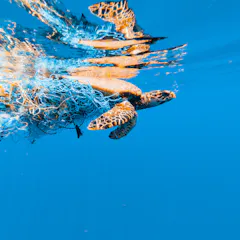
Better enforcement of existing international laws would be a much faster way of addressing plastic pollution from fishing vessels than waiting for a new treaty to be adopted.
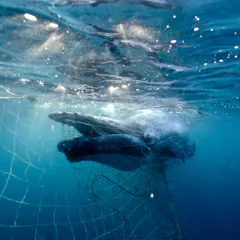
I’ve seen whale entanglement in shark nets firsthand, when a humpback whale calf drowned in one a few years back. It was terrible.
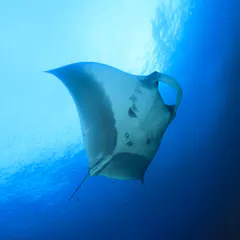
A high seas treaty could help rebuild populations – but time is running out.
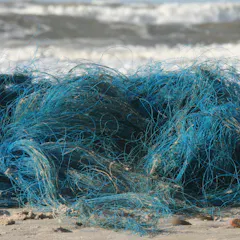
An enormous amount of fishing gear is cut loose in the ocean each year. The losses cut into fishers’ profits and kill marine wildlife. A new project aims to get ghost gear out of the ocean.
Top contributors
-

Emeritus Professor of Marine Ecology, Macquarie University
-
Assistant Professor of History, Texas A&M University
-
Professor, School for Resource and Environmental Studies, Dalhousie University
-
Research Assistant, Marine Affairs Program, Dalhousie University
-
Research Associate in Biology, Macquarie University
-
Professor of Marine Ecology, University of Southampton
-
Whale Scientist and Lecturer, Faculty of Science and Engineering, Macquarie University
-
Adjunct Senior Research Fellow, Centre for Planetary Health and Food Security, Griffith University
-
Assistant Professor of Statistics, Ursinus College
-
PhD Candidate, Western Sydney University
-
Associate Professor, Department of Oceanography, Dalhousie University
-
Associate Professor in Environmental Science, Western Sydney University
-
Associate Professor, School of Science, Edith Cowan University
-
Professor in Law, University of Canterbury
-
Senior lecturer, Western Sydney University