
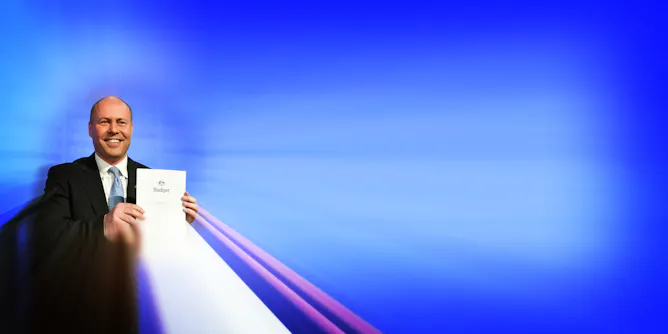
The budget is Australia’s State of the Union. It’s the only night of the year the government sets out a program against which it can be held accountable.
Articles on Federal Budget 2016
Displaying 1 - 20 of 110 articles
The volatile political debate between the two major parties about the long-term vision for tax has left small businesses in the lurch.
We need to ask on what basis the government is making its budget savings a ‘moral’ issue, and how the opposition can possibly support it.
Federal treasurer Scott Morrison’s diagnosis of the risks and challenges confronting the Australian economy is hard to fault. But tackling those problems will require flexibility from the government.
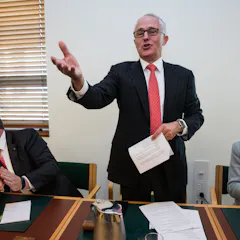
Hoping for the best is not a budget management strategy: but Australia can set realistic goals.
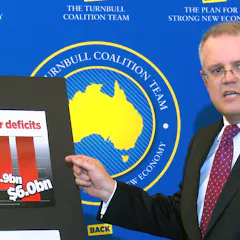
The Coalition says it has costed its additional expenditure and will deliver $2.3 billion in savings, in contrast to Labor.

The threshold for paying back student loans will vary depending on which party wins the election.

Modelling the proposed superannuation policies on gender has revealed unintended consequences.

Now that the OLT is closing and the grants and fellowships are lost, it is not clear whether the government will play an active role in enhancing teaching excellence in our universities.
The Pre-election Fiscal Outlook shows two things, the ridiculousness of 10 year forecasts and that we need a tougher Parliamentary Budget Office.
Your at a glance guide to all the figures in the Pre-election Financial and Economic Outlook statement for the 2016 election.
Treasury is standing by the assumptions made in the federal budget.

Backpackers always were treated as non-residents for tax purposes, that’s why changes aren’t necessary.
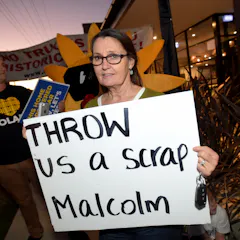
Short-term, the bracket creep measures help high income earners. But longer-term it evens out.
Two government claims about the apparent boost to the economy of company tax are put to the test.
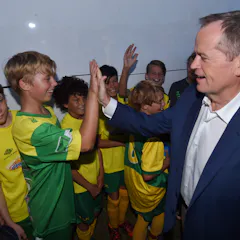
Among Labor’s most popular refrains is the claim that the government has cut $80 billion from schools and hospitals. Is it true?
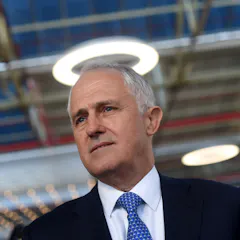
More often than not, Australians find budgets hard to like. But research shows a fascinating response on voting intentions.

False economic assumptions beset the federal budget and that should worry both political parties.
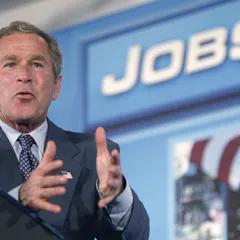
In 2003, US President George W. Bush campaigned on a 10-year ‘economic plan’ for “jobs and growth”. If it sounds familiar, it should.
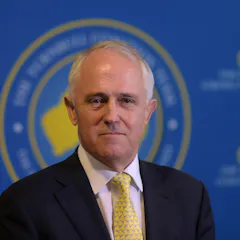
Is Prime Minister Malcolm Turnbull right to say that Labor plans to increase taxes by A$100 billion over ten years?
Top contributors
-

Professorial Fellow, University of Canberra
-
Professiorial Fellow, The University of Melbourne
-
Vice-Chancellor’s Fellow, University of Tasmania
-
Program Director, Housing and Economic Security, Grattan Institute
-
Sir John Bunting Chair of Public Administration, Australian National University
-
Professor of Economics, University of Canberra
-
Emeritus Professor of Economics (Griffith University) and Teaching Associate (University of Queensland), Griffith University
-
Scientia Professor of Economics, UNSW
-
Lecturer, Public Sector Finance, University of Canberra
-
Vice Chancellor's Fellow at Victoria University and Adjunct Professor of Economics, Victoria University
-
Professor of Economics, The University of Melbourne
-
Professor, Department of Economics, The University of Melbourne
-
Professorial Fellow, Jumbunna IHL, University of Technology Sydney
-
Adjunct Professor, Curtin Law School and Curtin Business School, Curtin University
-
Chief executive officer, Grattan Institute