
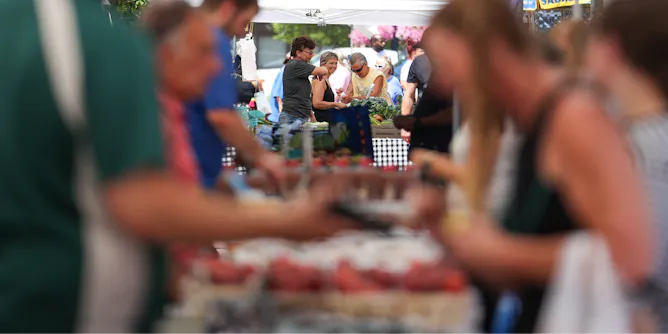
Only about 1 in 5 of the Americans surveyed shop at farmers markets because they care a lot about food and enjoy buying, preparing and eating fresh food.
Articles on Farmers markets
Displaying all articles
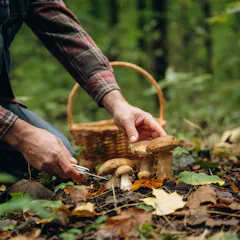
Throughout history people have foraged for local foods and used them in cooking, so what’s changed in the last few decades?
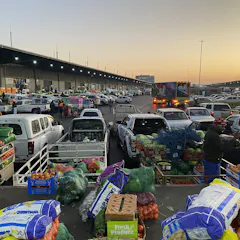
The Johannesburg Market has many challenges, including poor governance and infrastructure decay. Its story underscores the need to protect such markets nationwide.
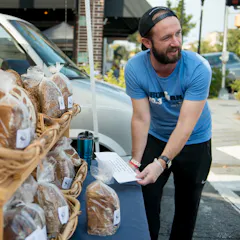
A few important dynamics are making it easier for young people to launch businesses in rural towns – especially food businesses.
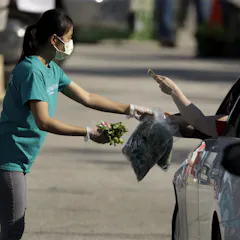
Farmers markets aren’t just for yuppies – they are increasingly serving customers at all social and economic levels, especially during the COVID-19 pandemic.
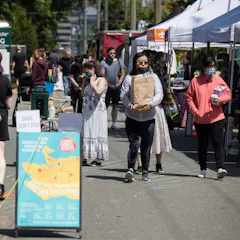
Since the beginning of the COVID-19 pandemic, there has been an increased interest in local food. This demand could be leveraged to help develop community resilience and encourage healthier diets.
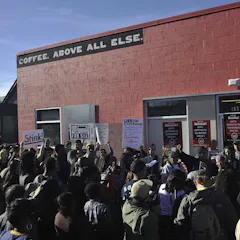
Hip food offerings can signal that a neighborhood is gentrifying – especially when they repackage traditional foods for wealthy white eaters.
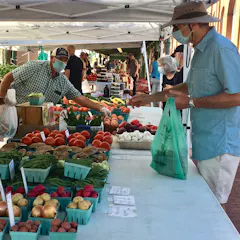
After trying to remove street vendors from its cities for years, China is supporting them to help jump-start its economy. An urban scholar explains why other cities should do the same.

A nutritionist shares five habits becoming more common during the pandemic that she hopes will continue. Eating family meals together is just the start.
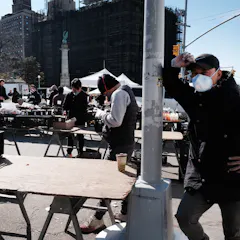
Small-scale farmers are likely to be hit hard if open-air markets close due to coronavirus fears. This could have a longer-term impact on the food supply chain.
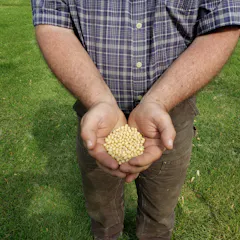
China has reportedly halted all purchases of US soybeans. Here’s why that’s going to be very painful for American farmers.
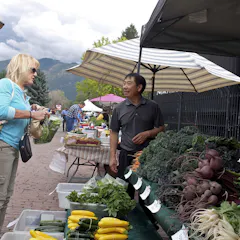
Several studies on locavores – people who go out of their way to buy foods and other products from local sources – explore the beliefs and values that makes them tick.
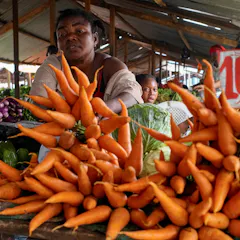
Graft is common in the way that markets in Kinshasa are run.
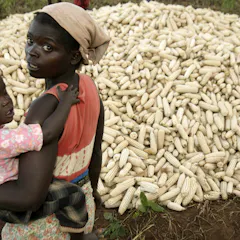
Malawi’s large-scale subsidy for farmers has resulted in higher maize production, lower food prices and higher wages. But this has come at significant costs.
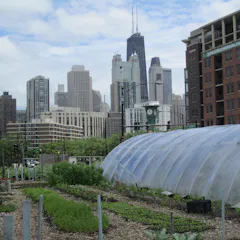
Urban and regional planners need to play a bigger role in bringing healthy food to cities and towns. One research project aims to change that.
Top contributors
-

Senior Director, Transformation Strategies Department, International Food Policy Research Institute (IFPRI), CGIAR
-
Assistant Professor of Marketing, University of Oregon
-
Professor in International Development, University of Antwerp
-
Associate Professor Department of Urban and Regional Planning, University at Buffalo
-
Senior Lecturer, Development Studies, University of Pretoria
-
Assistant Professor of Marketing, Portland State University
-
Senior Research Fellow, International Food Policy Research Institute (IFPRI)
-
-
Research Fellow, International Food Policy Research Institute (IFPRI)
-
Associate researcher, University of Antwerp
-
Vilas Distinguished Achievement Professor of Planning and Landscape Architecture, University of Wisconsin-Madison
-
Registered Dietitian and Nutritionist, Instructor in Nutrition, Boston University
-
Assistant Professor of Planning and Landscape Architecture, University of Wisconsin-Madison
-
Associate Professor of Sociology, Colorado State University
-
Assistant Professor of Sociology, Georgetown University