

Grocery shopping and family meals are prime opportunities to build reading and math skills – particularly for young Latino children, a new study finds.
Articles on Families
Displaying 121 - 140 of 245 articles
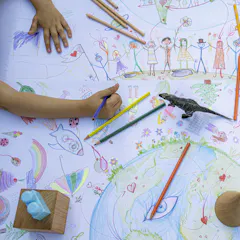
Parents often want their kids to be creative. But while creativity has many benefits, it can also be used for harm. Here’s how to teach kids to harness their imagination for the common good.
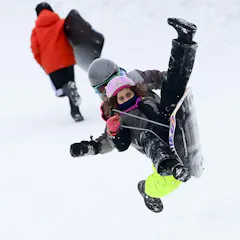
The pandemic ushered in a renaissance of outdoor living. We need to advance the momentum for outdoor play to support the health and development of children
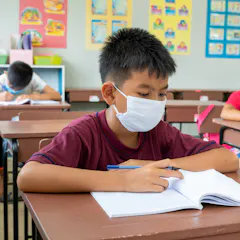
When a student suffers a concussion, their school typically offers certain accommodations – lighter workload, rest breaks, more time to complete tests. Do kids with long COVID need the same?

A study of over 1,000 children in rural Oklahoma found that social and emotional health may be just as important as diet and exercise in reducing child obesity.
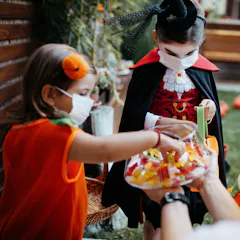
There’s no need to pull out the candy catapult this year, but a few reasonable precautions can keep COVID-19 transmissions in check.
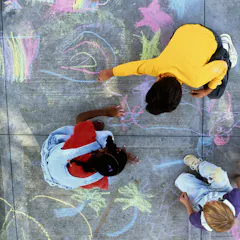
Art classes and STEM toys are nice, but there are simple and free ways parents can encourage their child’s creativity – or keep it from getting squashed.
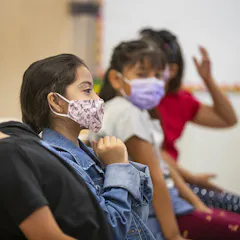
COVID-19 upended families’ morning routines. Getting kids back on schedule and sticking to it will help ease difficult transitions, a child psychologist explains.
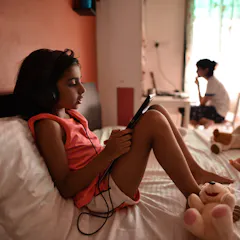
Children missed being with friends but liked the freedom to move around at home. These are some of the takeaways from an education researcher who talked to 30 kids ages 5-8.
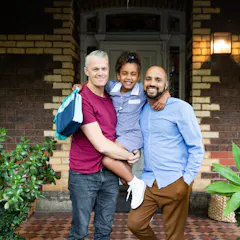
Parents often think about a school’s quality, class sizes, safety and extracurriculars. LGBTQ parents may also want to know their family will be respected.

Children use play to express themselves and process their emotions. Here’s how parents can make the most of play time together.
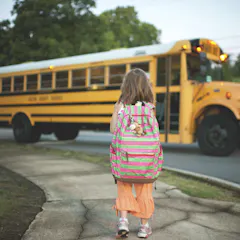
Here’s what signs parents can look out for, and what to do if their child is feeling overwhelmed.
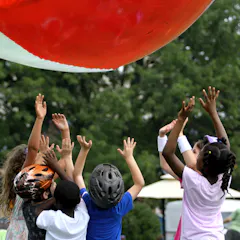
Public and community health experts highlight four ways that communities can collaborate to encourage physical activity and fun.
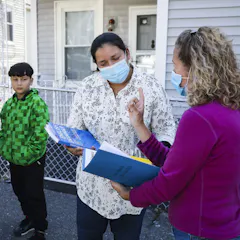
Teachers and students are likely to use a lot more online learning tools than they did pre-pandemic even after in-person classes resume.
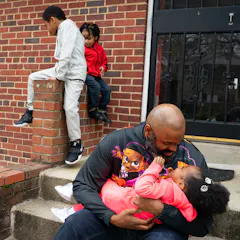
A fatherhood researcher argues that US work policies, income inequality, gender attitudes and health care all make it harder for dads to be highly engaged at home.

There’s a need to better understand coercive control as an important component of domestic violence when it comes to making decisions around co-parenting.
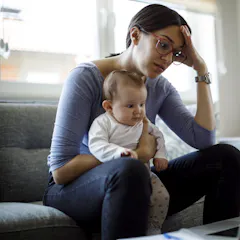
Child care insecurity has received much less attention than food insecurity, but it is similarly complex. And affordability is only one part of the problem.
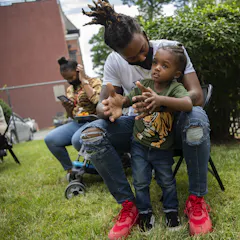
Fathers whose own dads were highly nurturing tend to have healthier levels of competition and be more emotionally open.
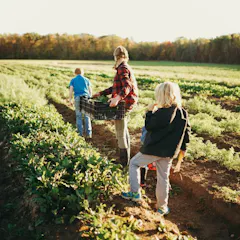
Both are essential on a farm, but the costs are making it harder for young farmers to grow their businesses.
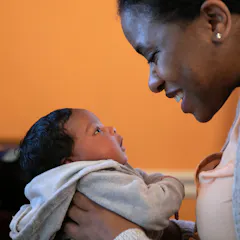
If the plan is fully phased in as proposed, workers could get up to $4,000 a month for a total of 12 weeks in paid leave to care for a newborn, another loved one or themselves within 10 years.
Top contributors
-

Professor of Sociology and Founding Director of The Future of Work Lab, Podcast at MissPerceived, The University of Melbourne
-
Associate Professor in Psychology, Deakin University
-
Associate Professor of Rural Sociology, The Ohio State University
-
Associate Professor of Applied Nutrition, Department of Family Relations and Applied Nutrition, University of Guelph
-
Senior Lecturer in Sociology, University of Sheffield
-
Associate Professor, Director, MScA Couple and Family Therapy, School of Social Work, McGill University
-
Associate Professor of Public Policy, University of Michigan
-
Professor of Human Rights Law, Monash University
-
Associate Research Scientist in Rural Sociology, Adjunct Faculty - National Farm Medicine Center, The Ohio State University
-
Senior Lecturer in Psychology, University of the West of England
-
Associate Professor of Sociology and Director of Canadian Studies, Brigham Young University
-
Professor of Law, University of Virginia
-
Lecturer in Health and Social Sciences, Deakin University
-
Associate Professor of Human Development and Family Studies, Iowa State University
-
Distinguished Professor of Sociology and Public Policy, UMass Amherst