
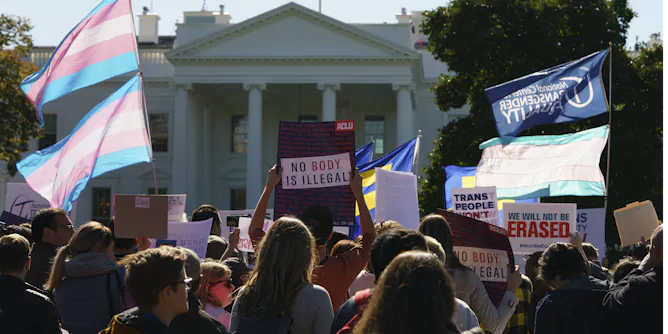
For as long as trans medicine has been around, so has its opposition. The tactics of prior waves of anti-trans policies are still in play today.
Articles on Eugenics
Displaying 21 - 40 of 66 articles

Though progressive politics at the turn of the 20th century called for the protection of America’s national parks, it did so for the enjoyment of white people.
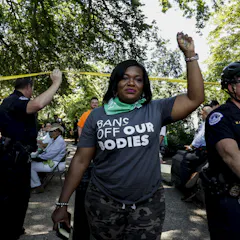
In the US, white men have long had the power to make decisions about women’s reproductive health care. Those decisions have often been especially harmful to Black women.
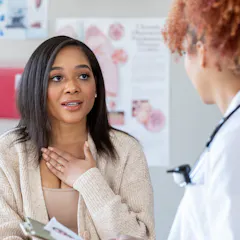
The term voluntary sterilization, referring to the choice to receive permanent birth control, arose as a contrast to the involuntary, or forced, sterilization that stems from the eugenics movement.
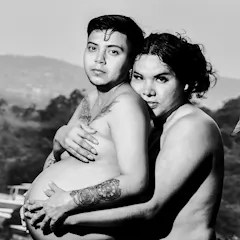
Testosterone therapy is often essential for the health and well-being of transmasculine people. The choice to stop it to pursue pregnancy can be a difficult one.

The legacy of eugenics is still active in the U.S. Paternalistic attitudes and policies on the reproductive agency of disabled people is one way it manifests.
Research suggests that expanded access to MAiD tends to benefit people with wealth and privilege, offering them choices and autonomy. At the same time, it puts marginalized people at risk.
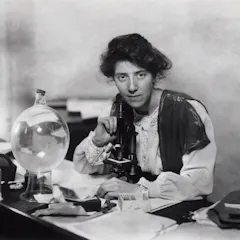
When it comes to anniversaries we should not just celebrate the good but also take stock of the bad.
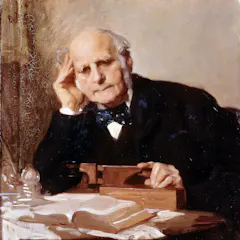
Smart people can have really bad ideas – like selectively breeding human beings to improve the species. Put into practice, Galton’s concept proved discriminatory, damaging, even deadly.

Is it really necessary to identify gifted children?
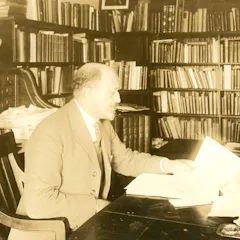
As editor of the magazine for 24 years, Du Bois featured articles about biology, evolution, archaeology in Africa and more to refute the rampant scientific racism of the early 20th century.
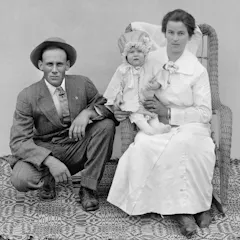
Concerned about the state of marriage – and thus the ability of whites to procreate – eugenicists were behind some of the earliest modern marriage manuals.
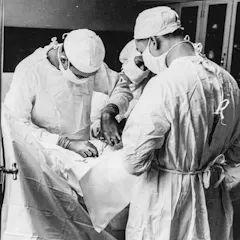
The US has a long history of forced sterilization campaigns that were driven by the bogus ‘science’ of eugenics, racism and sexism.
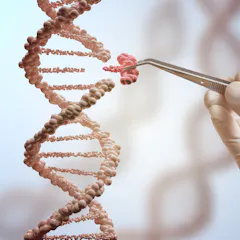
CRISPR isn’t a tool to fix social problems.

To confront colonialism, universities must open their archives and let communities see their pasts, eugenics and all.
One judge must not be allowed to curtail parliament’s power to promote broader societal interests and protect people who are elderly, ill and disabled.
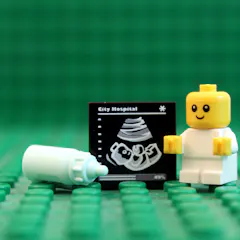
Imagine a future society where parents can choose the characteristics of their children. Does that turn babies into consumer products., and what choice does the child get?
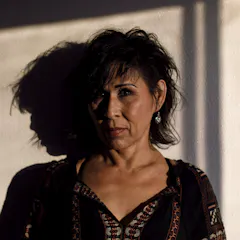
Recent revelations of the coerced sterilization of Indigenous women in Canada are part of a long, complex and disturbing history – in which feminism became a fight to keep one’s own children.
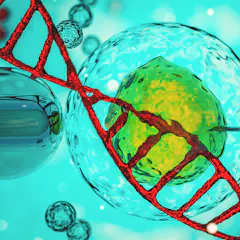
A Chinese scientist has revealed he edited the DNA of twin girls born through in vitro fertilization. These girls are designed to be resistant to HIV. Is the edit a medical necessity or an enhancement?

If those who survive are the fittest, does that also make them the best? And if so, is engineering ‘better’ babies just evolution, or another step in a long history of eugenics?
Top contributors
-

PhD Candidate, University of Cambridge
-
Senior Research Fellow, Melbourne Centre for the Study of Higher Education, University of Melbourne, The University of Melbourne
-
Professor, Education, Mount Saint Vincent University
-
Lecturer in Politics, Manchester Metropolitan University; Independent Social Research Foundation
-
Chancellor's Professor of Medicine, Liberal Arts, and Philanthropy, Indiana University
-
Associate Professor, History, Mount Saint Vincent University
-
Lecturer in Education, University of Sheffield
-
Professor & Co-Director, Swinburne Centre for Human Psychopharmacology, Swinburne University of Technology
-
Professor of Clinical Psychology, University of Liverpool
-
Lecturer in History of Medicine/Life Science, The University of Melbourne
-
Reader in Genetics, University of Aberdeen
-
Professor of Criminal Law, University of Sydney
-
Professor Emeritus of Applied Philosophy, Glasgow Caledonian University
-
Assistant Professor of Bioethics, National University of Singapore
-
Associate Professor, Department of Educational Studies, University of British Columbia