
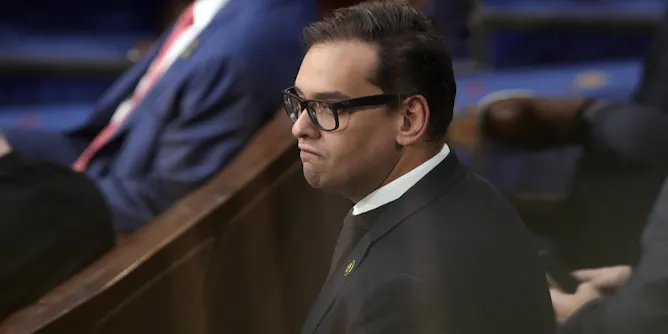
Constituents’ willingness to overlook deception may depend, in part, on whether politicians lie well and with a good purpose.
Articles on Ethical question
Displaying 41 - 60 of 94 articles

The US is seeing more campaigns to ‘protect’ children by barring controversial books. But research shows children’s reading experiences are complex and unpredictable, explains a literature professor.
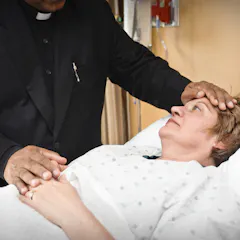
Terminally ill patients who seek an assisted death have no desire to end their life. Calling their decision ‘assisted suicide’ can have harmful consequences.

A moral philosopher explains what’s at stake in second-trimester abortions – and why they’ll increase in a post-Roe world.

People penalized for violating a group’s shared rules could go on to disrupt its functioning, out of revenge. Two scholars suggest a way of imposing rules.
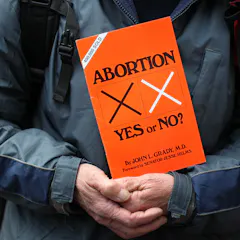
A sociologist found in her research that many Americans who are opposed to abortion may nonetheless be willing to support a friend or family member seeking one.

A sociologist explains that the ability to claim transgender identities in India may appear progressive, but this can further marginalize historically stigmatized gender-nonconforming groups.

New ethical issues are emerging during COVID-19 as doctors struggle with their obligations to ‘do no harm’ and respect patient autonomy.

An ethicist argues that choices made by celebrities could impose unjustified risk of harm on others.
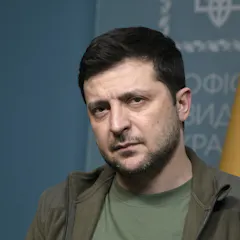
A political philosopher explains the moral symbolism ascribed to Zelenskyy’s ‘heroism’ and why he offers hope to those who hold democracy dear.
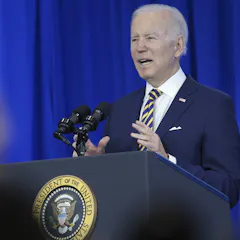
A political philosopher argues that while all American presidents may lie, those who appear to lie for the public good are often celebrated.

Restricting drug access can make the overdose crisis worse, not better. A bioethicist explains what that means for an ethical drug policy.

A food historian spent a month at the Library of Congress trying to answer the question of why we have historically been, and remain, so focused on dietary protein. Here is what she found.
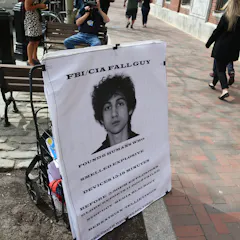
Punishment for crimes allows a society to express its values, but a theorist of criminal law and punishment argues it could also reinforce prejudicial stereotypes about racial and ethnic groups.
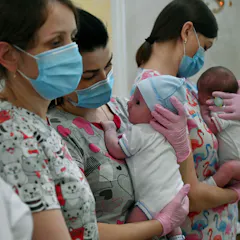
Surrogacy can be exploitative, but a theologian writes how it can also remind individuals that family is not just biological but also social and relational.

Insect farming is growing in popularity as an alternative to traditional livestock and feed production. A scholar evaluates what that means in terms of trillions of insect lives.
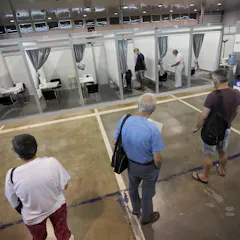
Scientists debate the medical benefits of booster shots. But there’s another aspect to consider: bioethics.

A political philosopher argues why the current situation in Afghanistan should weigh heavily on the American conscience.

America’s founders accepted the reality of human selfishness. But, they also said people were capable of thinking for the good of the whole, which is necessary for a free society.

There is much at stake as the US withdraws troops from Afghanistan. A political philosopher explains why the US cannot escape the moral consequences of its actions.
Top contributors
-

Professor of Philosophy, Public Policy and Governance, University of Washington
-
Assistant Professor of Philosophy & Disability Studies, Georgetown University
-
Assistant Professor, Department of Global Studies; Director of Food Studies, University of Oregon
-
Director of the Master of Bioethics degree program at the Berman Institute of Bioethics, Johns Hopkins University
-
Associate Professor of Philosophy, University of Washington
-
Research Fellow, Center for Philosophy and History of Science, Boston University
-
Professor of Bioethics and Humanities, School of Medicine, University of Washington
-
Associate Teaching Professor, Arizona State University
-
Associate Professor of Philosophy, Iowa State University; Independent Social Research Foundation
-
Assistant Professor of Kinesiology, Penn State
-
Professor of Architecture; Affiliate Faculty, Rock Ethics Institute, Penn State
-
Assistant Professor of Psychology, Arizona State University
-
Associate Professor of Psychology, University at Albany, State University of New York
-
Professor of Philosophy, Arizona State University
-
Assistant Professor of Social Psychology, University of Utah