
Victorian Labor has had ample time to reform upper house voting - its failure to do so is a blight on democracy in the state.
Articles on Electoral reform
Displaying 41 - 60 of 107 articles
The deliberations were characterised by disingenuous, counter-factual policy pronouncements, and de facto denials of the ANC’s culpability in causing many of the current problems facing the country.
Referenda may well have a place in the country’s democracy, but if the form of an electoral system can be referred to a referendum, why not capital punishment, abortion or LGBT rights?
Lesotho has done a good job of curbing the powers of its monarch and making its electoral system inclusive.
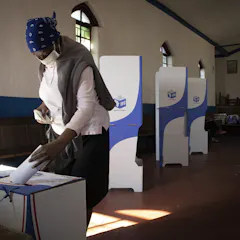
The whole idea behind independent candidates is the hope that their inclusion might improve the accountability of parliamentarians to the voters. The bill doesn’t do that.
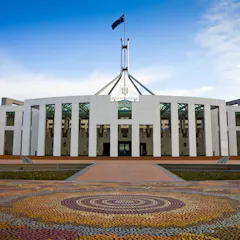
An election expert breaks down the big questions.

The wave of protests across Canada against vaccine mandates are signs of growing tensions that the federal government doesn’t represent the views of many people. It’s time for election reform.
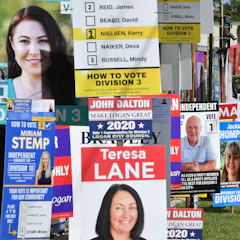
The new law makes it illegal for ‘foreign’ persons or entities to fundraise or directly spend on electioneering, or to authorise electoral material.

New research offers a new electoral system that can deliver proportionality and even enhance local representation.
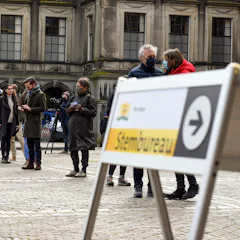
The March elections in the Netherlands, and the fact that a government still hasn’t been formed, illustrate both the benefits and problems with proportional representation.
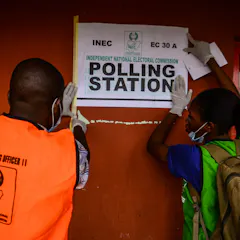
Nigeria must fix its electoral system before the next general elections in 2023.
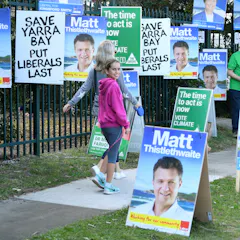
New research examines how recent federal elections would have been affected if optional preferential voting had been used. The results were not favourable to Labor.
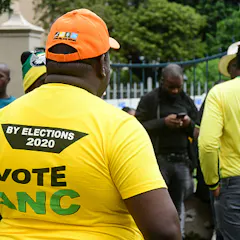
The existing electoral system has attracted extensive criticism for rendering elected representatives unaccountable to those who elected them.
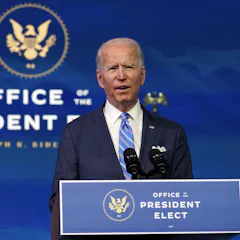
The debate about the U.S. Electoral College pits those who think the president should be chosen via popular vote versus those who believe the interests of small and large states must be balanced.
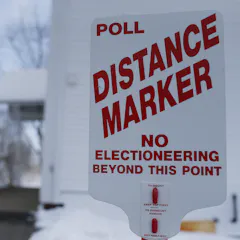
Laws that have long kept campaigners away from voters at polling places may not work in a world where a T-shirt symbol can be interpreted as campaigning.
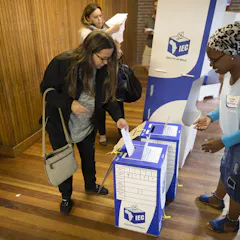
The bigger parties which contest elections at all three levels would benefit the most – but voters might split their votes.
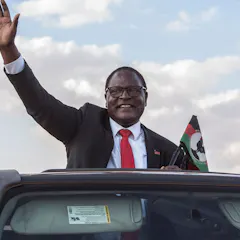
The success of Malawi’s democratic dispensation will be measured on the extent to which it delivers public goods – opportunities, development, accountability – for the people.
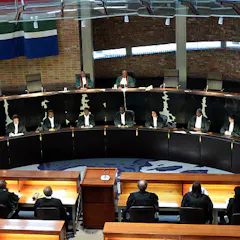
South Africa’s Constitutional Court verdict is possibly a defining moment for South Africa’s electoral system.

To boost inclusivity among its ranks, the House of Commons needs parliamentary reform of its voting procedures to allow electronic online voting, or e-voting, for its members.

For Indigenous voters in Taiwan, the current system prevents many of them from having an impact on the election of representatives where they live.
Top contributors
-

Professorial Fellow, University of Canberra
-
Senior Lecturer, Department of Languages and Linguistics, La Trobe University
-
Professor of Sociology, University of the Witwatersrand
-
Professor of Political Institutions, Governance and Public Policy, University of Ibadan
-
Professor in Political Science, University of South Africa
-
Professor of Politics, Te Kunenga ki Pūrehuroa – Massey University
-
Postdoctoral Fellow, Constitutional Law, L’Université d’Ottawa/University of Ottawa
-
Anniversary Professor of Politics, University of York
-
ARC Laureate Fellow, Professor of Government and International Relations at the University of Sydney and McGuire Lecturer in Comparative Politics, Harvard Kennedy School
-
Professor of Politics, University of Strathclyde and Senior Research Fellow, National Centre for Social Research
-
Adjunct Professor, Stout Research Centre, Victoria University of Wellington and Auckland University of Technology, Professor of Political Science, Charles Sturt University
-
Senior Lecturer in Politics, University of Strathclyde
-
Professor, Melbourne Law School, The University of Melbourne
-
Senior Lecturer, School of Government and International Relations, Griffith University
-
Professor of Democratic Politics, UCL