
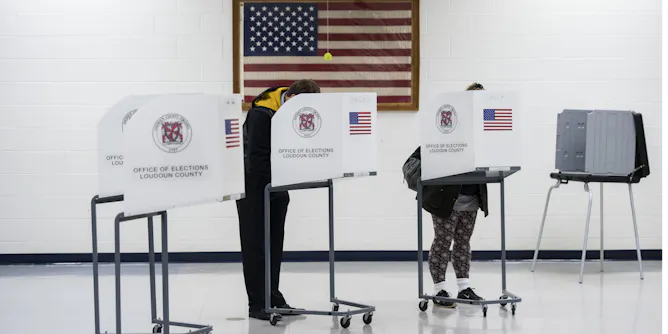
Around the world, elections are under attack. U.S. officials could learn from other countries about how to ensure everyone’s vote is recorded and counted accurately.
Articles on Election integrity
Displaying 41 - 57 of 57 articles
Though the effects were less this time, voters across the globe should remain vigilant against disinformation campaigns and election system hacking.
Protecting democracy requires more than just technical solutions. It includes education, critical thinking and members of society working together to agree on problems and find solutions.

The stability and integrity of democratic society are too important to be relegated to inherently flawed computer systems that are vulnerable to malfunctions and malicious attacks.
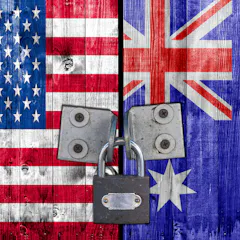
The U.S. is not the only country worried about foreign influence over its elections. Australia is concerned too, and taking steps Americans could learn from.
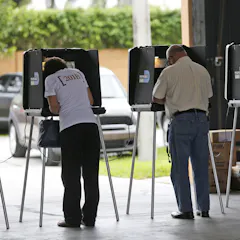
Ensuring the integrity of democratic elections from hackers and electronic tampering, and boosting public confidence in democracy, isn’t very difficult, nor expensive.
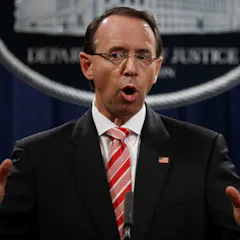
Will 12 Russians indicted for hacking the 2016 US election ever come to trial? They may not, but the indictments themselves are an important step in the effort to determine the truth of what happened.
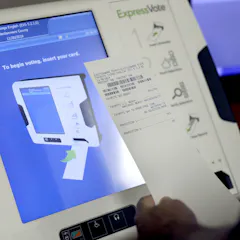
As millions in federal dollars flow to states to protect elections, what should the money help pay for?
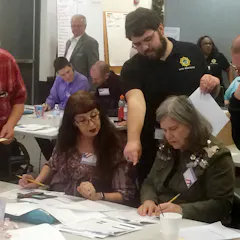
The best way to protect elections is to plan and prepare for an audit of the results after the votes are cast.
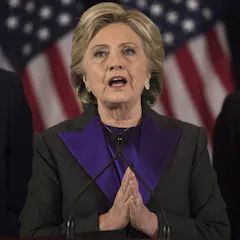
Yes, votes are cast based on many factors. But a new survey and analysis suggests that belief in fake news could have been decisive during the 2016 election.
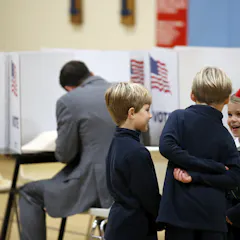
Have you ever struggled to understand exactly what to do inside a voting booth?
With a year before Election Day 2018, election integrity depends on ensuring fairness and access for American voters. Foreign tampering is a real but less serious concern.
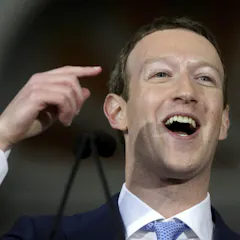
In a fight for the global flow of information, social media firms must be regulated. Their billions of dollars in revenue put their financial interests in conflict with truth and democracy.
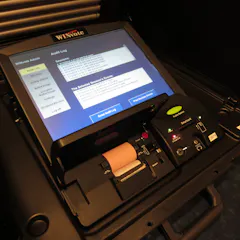
Where problems arose, voting was generally able to keep going smoothly. But those failures serve as a warning of how bad things could get if we don’t replace our voting machines soon.
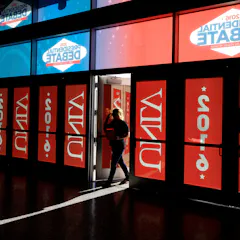
Do you feel as if the moderators keep asking the same questions of the presidential candidates? Our panel has some fresh ideas.
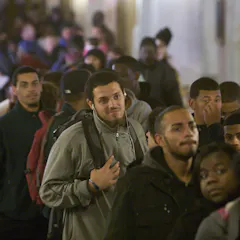
Republicans want voter ID laws. Democrats want more access to the ballot. Why do we have to choose?
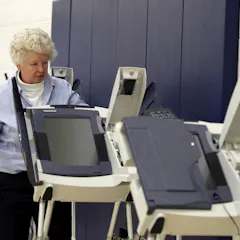
Decade-old computer equipment underpins the country’s most important civic process. What happens when it breaks down?
Top contributors
-

Senior Research Scholar for Cyber Policy and Security, Center for International Security and Cooperation, Stanford University
-
Law Professor in Constitutional Law, Criminal Law, Election Law, University of Memphis
-
Associate Professor, Political Science, University of Pennsylvania
-
Professor of Constitutional Law, New York University
-
Professor of Law, University of Notre Dame
-
Associate Professor of Political Science, University of California, San Diego
-
Assistant Professor of Political Science, Washington State University
-
Voting Rights Researcher, Democracy Project, Brennan Center for Justice, New York University
-
Deputy Director, Democracy Program, Brennan Center for Justice, New York University
-
C.O. Johnson Distinguished Professor of Political Science, Washington State University
-
Professor of Business Law and Ethics, Indiana University
-
Assistant Professor of Computer Science and Computer Engineering, Vanderbilt University
-
Associate Professor of Political Science, University of Pittsburgh
-
Professor of Communication, University of Illinois Urbana-Champaign
-
Executive Director of the Sine Institute of Policy and Politics, American University