

There is a gap in international law protections when dangerous toxins are released due to attacks on sites like fuel depots.
Articles on Ecocide
Displaying all articles

Philosopher and writer Albert Camus defined gangster morality as ‘an inexhaustible round of triumph and revenge, defeat and resentment’. Sound familiar?
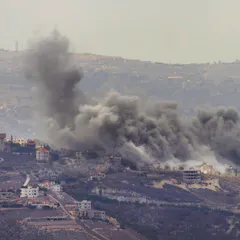
Ongoing conflict, particularly in a three-month period in late 2024, caused widespread environmental destruction and the spread of toxic materials.
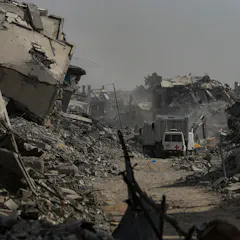
International law is starting to reflect a growing global consensus on the need to recognise the climate effects of armed conflicts.

Approaches vary in terms of who is filing the lawsuit, against whom and whether it is based on protecting human rights or the rights of the environment itself.
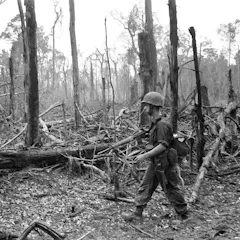
Harmful dioxins in Agent Orange, used to strip forests of their leaves, still linger in soil. Restoration work has been slow, and upheaval at USAID may slow it more.
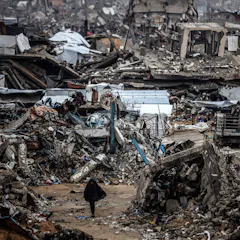
The humanitarian toll of more than a year of conflict will be augmented by the risk of further health issues due to poor hygiene facilities and air quality.

Russia is committing ecocide in Ukraine, an act of war aimed at inflicting serious damage on the environment.

The crime of genocide was adopted in 1948 following the second world war. Given the existential threats from ecological crises, it is timely to call for the recognition of ecological crime.
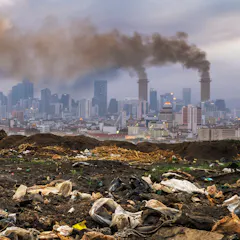
Legal scholars say the law has its merits, but find loopholes in the way it defines ecocide.

Ecological damage, risk of nuclear accident and the economic fallout from war all affect countries well beyond the conflict zone. How should the world deal with these borderless threats?
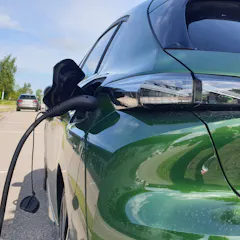
If electric cars are useful for the energy transition, they’re not without flaws and drawbacks and should not make us forget the need to reduce car use.
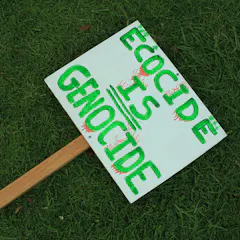
Criminalising ecocide means its victims will be able to receive reparations, helping to rebuild destroyed ecosystems and communities.
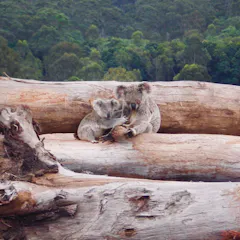
The push for a new environmental crime has attracted high-profile backers including French President Emmanuel Macron, Pope Francis and Greta Thunberg. But we must get the details right.
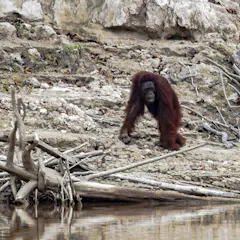
Environmental destruction remains an unofficial crime, but activists and scholars want it recognised.
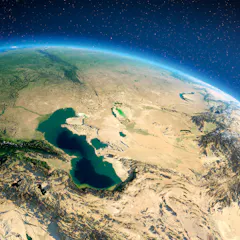
Climate change means more water is evaporating than is flowing in.
Top contributors
-

Senior Lecturer in International Humanitarian and Criminal Law, Nottingham Trent University
-
Professor of International Relations, University of Otago
-
Lecturer in Criminology, Swansea University
-
Enseignant-chercheur, Laboratoire Ville Mobilité Transport, École Nationale des Ponts et Chaussées (ENPC)
-
Senior Researcher, Naturalis Biodiversity Center, and Researcher in Geosciences, Utrecht University
-
Senior Lecturer in Law, University of Sydney
-
Lecturer in Sustainability, University of Manchester
-
Associate Professor of Global Political Economy, University of South Wales
-
Professor of Environmental Politics & International Relations, UNSW
-
Ingénieur en génie de l’environnement et docteur en urbanisme, Université Gustave Eiffel
-
Director of Dickinson Program in New Zealand & Associate Professor of Politics at the University of Otago, Dickinson College
-
Lecturer, Université La Sagesse
-
PhD, University of Giessen
-
Professor of Sociology and Social Policy, University of Sydney
-
Associate Professor of Law, University of Waikato