
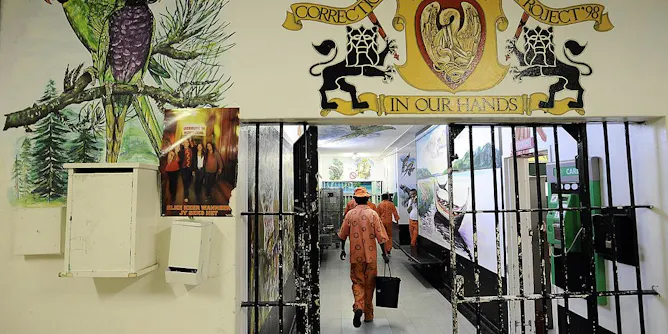
The overcrowded conditions of prisons make them a high-risk environment for the spread of infectious diseases such as TB.
Articles on Drug-resistant TB
Displaying all articles

Many of the most fundamental aspects of TB disease remain unknown. For example, after exposure to the organism that causes TB, why do only some people get infected and only some of those fall ill?
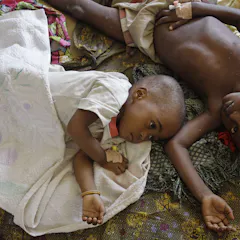
There’s a big market for new treatments for TB, malaria and other ailments. But most of these diseases afflict low-income people unable to pay for medicine.
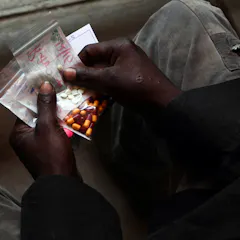
New research shows that the treatment of drug resistant-TB can be reduced from the current duration of 20 to 24 months to less than a year.
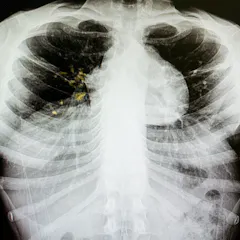
Using a large number of computers to screen TB drugs reduces the cost and time.
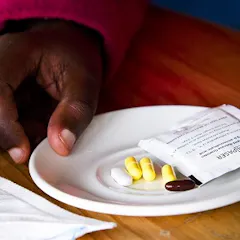
Treatment for drug-resistant TB remains problematic as the painful daily injectable patients receive for at least six months leaves more than 60% deaf.
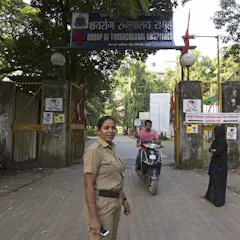
The health care debate in the US has focused on a looming crisis, with millions possibly losing insurance coverage. In India, an immediate crisis looms with tuberculosis.
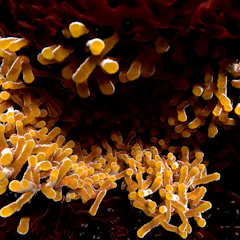
To tackle TB a dynamic change in discourse is needed. The focus must be on how to respond to emerging complexities the disease presents.
Top contributors
-
University of Southern California
-

Honorary senior lecturer in the School of Public Health and Family Medicine, University of Cape Town
-
Professor of Chemistry; Interim Chair of the Chemistry Department, University of South Florida
-
Senior scientist, MRC Clinical Trials Unit at UCL, UCL
-
Lecturer in Mathematics, University of the Western Cape
-
Lecturer in Bioinformatics, University of the Western Cape
-
Professor, University of the Western Cape
-
Faculty Member, Africa Health Research Institute; Associate professor, UCL
-
Assistant Professor, Africa Health Research Institute (AHRI)
-
Faculty Member, Africa Health Research Institute; Wellcome Trust Senior Research Fellow, UCL
-
Head of the Division of Pulmonology, University of Cape Town
-
Adjunct Professor, Dalla Lana School of Public Health , University of Toronto