

Public health depends on long-term planning, and when that planning is interrupted, some programs never recover.
Articles on Disease prevention
Displaying all articles

Preventing disease is clearly worthwhile. So why is the future of a key Australian health promotion agency, VicHealth, in the balance?
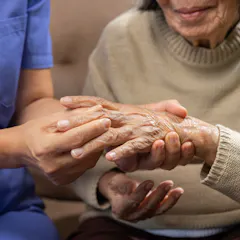
New research could allow health care providers to identify and treat patients at risk for rheumatoid arthritis before the disease progresses.
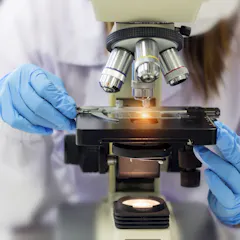
Taxpayer-funded investment supports basic research that can yield crucial medical advancements down the line and make lifesaving drugs and technologies affordable for everyday people.

Manufacturers often make bold claims about how well these technologies work. Better testing would allow consumers and institutions to pick the most effective ones.

People with disability die of conditions such as cancer, heart disease and diabetes at a much higher rate than the rest of the population.

Since the coronavirus first began spreading around the globe, people have debated how effective masks are at preventing COVID-19. A year and a half in, what does the evidence show?
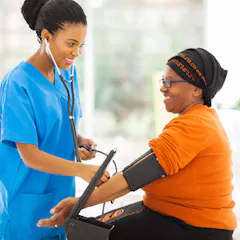
While the pandemic has focused the world’s attention on how to prevent infectious disease, many of the lessons learned from COVID-19 prevention can also be applied to chronic disease prevention.
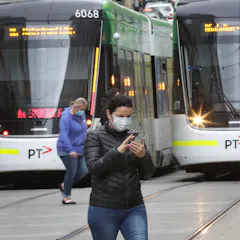
Victoria recorded 484 new cases on a day when COVID-19 should have been firmly on the decline if the latest lockdown was working. It’s time to contemplate even stricter measures for longer-term gain.
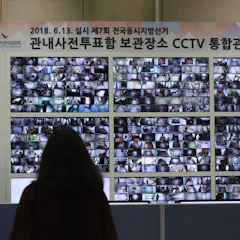
South Korea’s COVID-19 testing programme relies on what many would call privacy invasions.

Hand washing is a tried and true, scientifically proven preventive strategy that reduces the likelihood of transmitting both viral and bacterial borne diseases.

Large-scale adoption of simple, individual actions — like disinfecting our germ-laden phone screens — can limit the ability of COVID-19 to get a foothold.

New research claiming that people do not need to reduce their consumption of red and processed meat says more about the conduct and evaluation of research than it does about beef.

From weekend walks with your doctor to free gym memberships, there is a global movement afoot.

We now have the capacity to quickly and cheaply sequence an individual’s genome and scour it for disease-causing genes. But how much, and what type, of information does a parent-to-be want to know?
Top contributors
-

Professor of Health Sciences, Simon Fraser University
-
Professor of molecular and medical genetics, Oregon Health & Science University
-
Distinguished Professor, Professor of Immunology, RMIT University
-
Professor, University of Waterloo
-
Professor and Director of Centre for Chronic Disease Prevention and Management, University of British Columbia
-
Regional Associate Dean, Interior, Faculty of Medicine, University of British Columbia
-
Professional Research Fellow, Victoria University
-
Associate Professor in Urban Economic Development, UCL
-
Senior Lecturer; MD, Victoria University
-
Assistant Professor of Environmental Health Sciences, University of California, Berkeley
-
Professor of Medicine and Rheumatology, University of Colorado Anschutz
-
Associate Professor and Director of the SAMRC/Wits Centre for Health Economics and Decision Science - PRICELESS SA (Priority Cost Effective Lessons in Systems Strengthening South Africa), University of the Witwatersrand
-
Professor and Programme Director, SA MRC Centre for Health Economics and Decision Science - PRICELESS SA (Priority Cost Effective Lessons in Systems Strengthening South Africa), University of the Witwatersrand
-
Associate Professor in Health Economics, Deakin University
-
Professor of Public Health Policy, Deakin University