
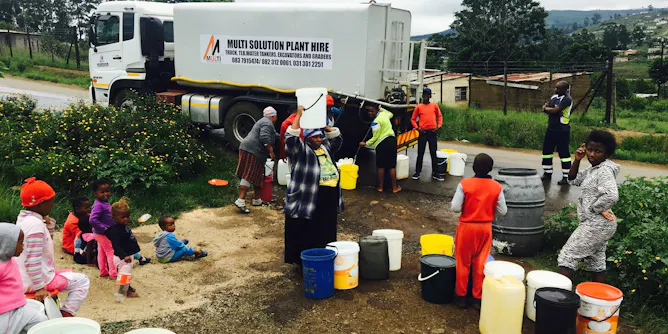
Water tankers are meant for emergencies but are fast becoming the norm for many communities.
Articles on Dignity
Displaying 1 - 20 of 32 articles

Long-term care is not strictly a medical service; it’s also a home and social environment. To ensure Canadians can age with dignity, we need ways to assess dignity in our health systems.
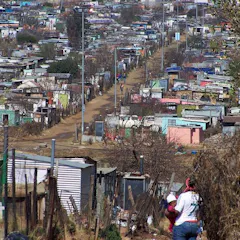
Housing policy should take note of what a home really means to people.

Free food may fill your stomach, but it doesn’t always satisfy the desire to feel fully human.

Digital work can be experienced as more dignified than the available alternatives – if rules and pay are fair.
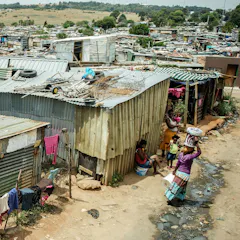
Rejecting precarious work signals dissatisfaction with a labour market where wage employment rarely offers security or social mobility.
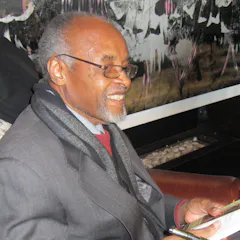
Chabani Manganyi’s courage in challenging the status quo has inspired generations of psychologists, scholars and activists who continue to use his ideas in their work.

Corrective policies should be implemented as part of a holistic, long-term strategy to address historical injustices and create a more equitable South African society.

A new Grattan Institute report shows how the government can create innovative alternatives to group homes that cost the same or less money.

Ghana’s anti-gay bill will affect heterosexual’s too

How does the UK ensure a decent standard of living for its elderly population?

Believed to be mere entertainment, talk shows can become human dignity-crushing machines. The consequences of the degrading techniques used can be devastating for the victims.

Inner city occupations and shack settlements alike are the inevitable consequence of the fact that huge populations of people have to get by without a living wage.
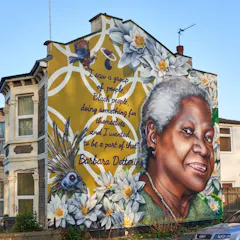
People’s sense of belonging is fostered in everyday social practices and in the spaces they claim for themselves. Our elders need be acknowledged, respected and accepted.

The explosive viral spread of the grainy but dramatic footage shows the limits of mainstream media ethics.

Strip-searches are rarely a matter of public debate in the UK. Raw data – and the impact known from research in other jurisdictions – suggests though that they should be.
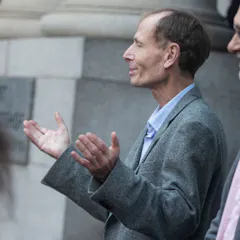
People make decisions throughout their lives about their health. But when they are terminally ill they are not allowed to decide when they want to die.

Peddlers of dangerous ideas regarding the constitution should be reminded of what was done in the name of a legislative majority under apartheid.

When judges, legislators, and policymakers neglect the foundational dynamics of indigenous customs, they worsen conflict between indigenous laws and state laws.

Can everyday women expect men to dramatically revise their sexist attitudes like the men surrounding the chess whiz in ‘The Queen’s Gambit’? The MeToo utopia answers: Why shouldn’t they?
Top contributors
-

Distinguished Research Professor of Sociology, York University, Canada
-
Associate professor, University of Johannesburg
-
Professor of Political Studies, University of Johannesburg
-
Research Associate at UCT's Centre of Criminology, Consultant at the Institute for Security Studies (ISS), University of Cape Town
-
Lecturer in Indigenous Studies at Gnibi College of Indigenous Australian Peoples, Southern Cross University
-
Emeritus Professor of Sociology, Murdoch University
-
Professor, Education, Thompson Rivers University
-
Associate Professor of Political Science, King's University College, Western University
-
Associate Professor of Philosophy, University of Washington
-
Lecturer in Political Sociology, UCL
-
Professor of African legal pluralism, University of the Western Cape
-
Associate Professor of History, Brock University
-
Associate researcher, University of the Witwatersrand
-
Professor Emeritus of Public Law, University of Cape Town
-
Director of Centre for Professional Ethics, University of Lancashire