

Some say the hysteria over screen time echoes parents’ worries that their kids were watching too much TV in the 1980s. But new studies show there’s nothing overblown about parents’ growing concern.
Articles on Digital media
Displaying 61 - 80 of 139 articles

Findings from a new study suggest that the main source of news for Mandarin-speakers living in Australia is local, Chinese-language outlets accessed via WeChat.

People should be a bit more careful when signing off their emails and text messages. Not everyone wants a kiss.

Despite their derision, media outlets such as the Canary and Breitbart, still source much of their information from the mainstream press.
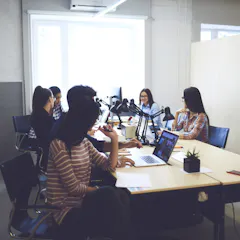
What does the future newsroom look like?
The Conversation, CC BY52.4 MB (download)
We often hear about media companies shedding staff and revenues, but is there hope? We ask the man with a mission to launch 100 media start-ups in three years: what does the future newsroom look like?

The #MeToo movement has attracted mainstream media attraction, but women are using many digital platforms to share their experiences of sexual violence.
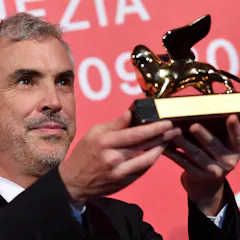
Netflix has chosen a high-quality Mexican arthouse movie as a flagship production for its new distribution model.

The new technology behind machine learning-enhanced fake videos has a crucial flaw: Computer-generated faces don’t blink as often as real people do.
In 1980, 60 percent of 12th graders said they read a book, newspaper or magazine every day for pleasure. By 2016, only 16 percent did.
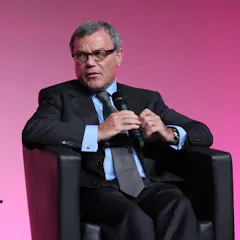
How Martin Sorrell built WPP from scratch into the world’s biggest marketing conglomerate.
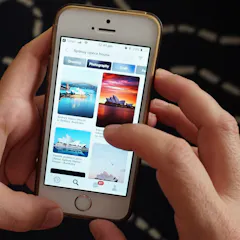
Many more people experience World Heritage online than in person. While that further elevates the status of iconic sites like the Sydney Opera House, it has other more complicated consequences too.

How parents who post about their kids do so out of pride, but can spark family conflict too.

Rights packages aimed at attracting the digital market failed to attract a bidder.
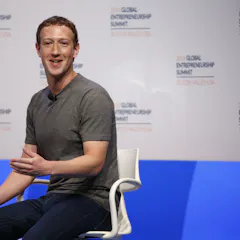
What’s behind Facebook’s decision to cut down on news content in people’s newsfeeds?
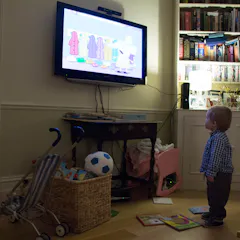
More than 300 hours of content are uploaded to YouTube every minute - and many children’s clips are unauthorised, sneaky or even disturbing. Being aware is the first step.
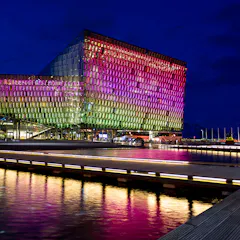
Digital media on building facades are changing the appearance of our cities. This creates a need for new urban policy guidelines to retain architectural quality and promote social engagement.

Dozens of voluntary researchers in nine Indonesian cities mapped digital literacy activities and they found the country needs much more to solve their digital media problems.

Online video is flourishing in Australia with very little government attention. Content creators like Youtube channel RackaRacka are getting millions of viewers, numbers the traditional screen industry can only dream of.
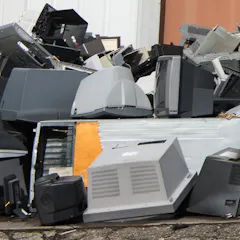
The traditional media industry comes with a large environmental cost, but emissions from digital productions are often ignored.

For decades, parents have fretted over ‘screen time,’ limiting the hours their children spend looking at a screen. But as times change, so does media… and how parents should (or shouldn’t) regulate it.
Top contributors
-

Associate Professor, Co-Director of the Research Centre for Journalism, Media and Democracy, Auckland University of Technology
-
Head of the School of Journalism, Media and Culture, Cardiff University
-
Professor of Communication, Charles Sturt University, and Honorary Associate, Discipline of Media and Communications, University of Sydney, University of Sydney
-
Associate Professor in Convergent and Online Media, University of Sydney
-
Senior Research Associate, Reuters Institute for the Study of Journalism, University of Oxford
-
Postdoctoral Researcher, University of California, Irvine
-
Director of the Centre for Organisational and Social Informatics, Monash University
-
Professor of Media and Communications, Goldsmiths, University of London
-
Senior Lecturer, Journalism, Leeds Beckett University
-
Professor of Psychology, San Diego State University
-
Associate Dean, Research and Innovation, University of Salford
-
Professor of Political Communication; Director CAJ, The University of Melbourne
-
Professor of Film and Television, Goldsmiths, University of London
-
Director of Undergraduate Studies, School of Journalism, Media and Cultural Studies, Cardiff University
-
Professor of Journalism, Media and Communication, Queensland University of Technology