

Some defence companies shout about opportunities for their female employees while ignoring the effect their products have on women in conflict zones.
Articles on Defence industry
Displaying all articles

Enormous sums of venture capital money and influence is pouring into a defence industry which is being reshaped in the image of Silicon Valley.

The surging cost of military equipment will make it increasingly difficult for national defence giants like BAE and Rolls-Royce to remain independent.
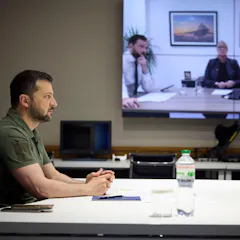
Most companies don’t benefit from conflict, but some see past the operational risks to build or strengthen their bases in war zones.
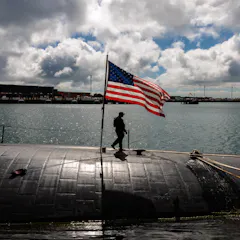
The US is proposing legislation to ease restrictions on sharing US military technologies with other countries. The AUKUS agreement depends on it.

AI is going to fundamentally transform how nations wage far. By failing to address it, the defence review leaves Australia unprepared for the future of war.
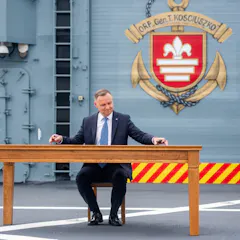
By the end of the decade, Poland’s arms capacity could exceed that of the French, German, UK, Italian, Dutch and Belgian forces combined.
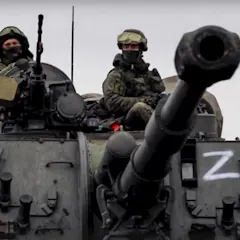
Many defence contractors have seen their share prices soar since the war began.
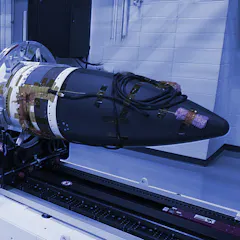
The collapse of the US operation in Afghanistan means the day might come when Australia needs access to the design of the weapons it uses.
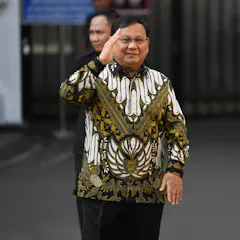
The visit by Indonesian Defence Minister Prabowo Subianto is unlikely to lead to significant defence industry cooperation between the two countries.

Australian-based companies get a good share of Australian defence contracts, but not the Australian owned ones, and much of the work is mere subcontracting.

If the Coalition wins the election, Reynolds will replace the departing Christopher Pyne as defence minister.
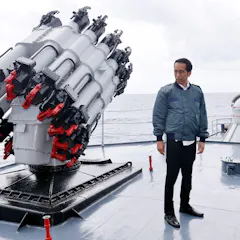
Can Indonesia’s defence industry attain self-sufficiency?
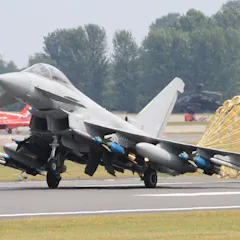
We are witnessing the transformation of the existing defence business into one which embraces the new.

Australia’s long-awaited naval shipbuilding plan has two interconnected weaknesses when it comes to sovereignty.
Top contributors
-

Researcher, Australian National University
-
Lecturer in International Relations, Binus University
-
Professorial Fellow, University of Canberra
-
Senior Lecturer, University of Staffordshire
-
Professor of AI, Research Group Leader, UNSW
-
Adjunct Associate Professor, The University of Queensland
-
Professor of Management, University of Essex
-
Maître de conférences en Science politique, membre de l'Institut des sciences sociales du politiques (ISP, CNRS), Université Paris Nanterre
-
Emeritus Professor of Economics, University of York
-
Senior Lecturer in International Business, Sheffield Hallam University
-
Professor of Political Theory, Queen Mary University of London
-
Lecturer in International Relations, Cardiff University
-
Lecturer in Sociology and Criminology, University of Gloucestershire