
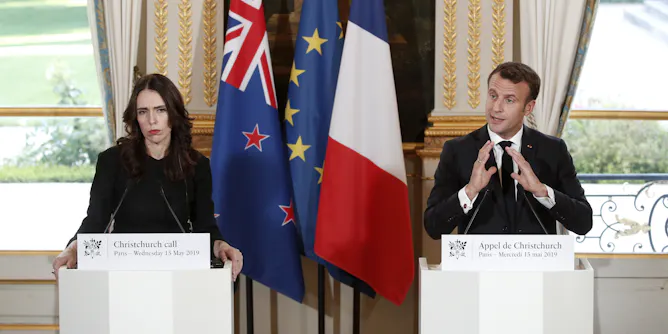
The US, Russia and China haven’t backed the NZ-led Christchurch Call to crackdown on online extremism. Without them, and key non-western media, the initiative is unlikely to make enough difference.
Articles on Dark web
Displaying 21 - 40 of 45 articles
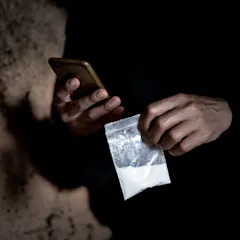
The illicit drug trade is thriving on the dark web because it’s seen as safer and more profitable than street dealing, according to encrypted interviews with people who sell drugs online.
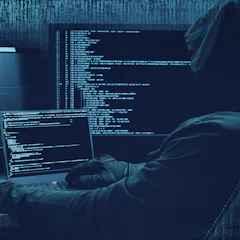
Language analysis may help police catch offenders.

Iran has long recognised the benefits of using cryptocurrencies to counter US sanctions.

Globally, Muslims have been by far the most victimised group by terrorism in the post-9/11 era.
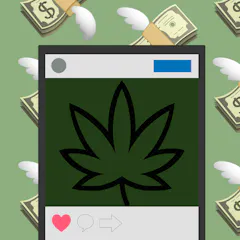
Buyers think you can tell the purity of a substance by looking at on an app – evidence shows they’re mistaken.

Begun as part of efforts to preserve online anonymity and privacy, Freenet, Tor and the Invisible Internet Project are, like the rest of the web, home to both crime and free expression.
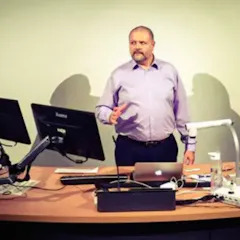
Two days with former online fraudster, Brett Johnson, who once made it onto the infamous US Most Wanted list.

Small quantities of drugs are getting past customs and then being used to create much bigger batches of illegal drugs like synthetic heroin.
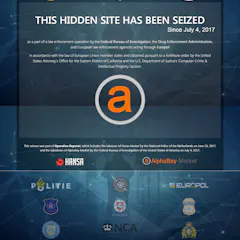
Without proper checks, police could have significantly expanded scope to search homes and computers around the world.
The Behind the Screen: Online Child Exploitation in Australia report provides an alarming snapshot of a growing crime.

The darknet, like the open internet, is not immune from illegal activity. But many darknet users are there in search of ‘hacker ethics’ values such as privacy and free speech.
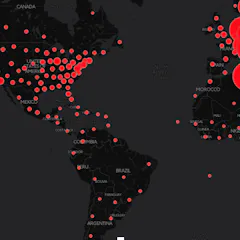
The deep and dark web can be a scary place, but modern open-source technologies funded by the Defense Department can help explore it.
The dark web is often used for illegal activity and because of the way it’s structured, it’s hard to police.

CC BY-ND39.8 MB (download)
A podcast on darkness: from why it makes us scared, to what kind of nightlife can thrive in the modern city and an update on the hunt for dark matter.
Two criminologists wanted to learn the tricks of the trade so they went to the source, interviewing over 70 pimps.
As governments look to new ways to step up surveillance, hackers find new ways to subvert it. Is there a way to end this cat and mouse game, described as a crypto-war?
What happens after a data breach? What does an attacker do with the information collected? And who wants it, anyway?

The Psychoactive Substances Act will have little effect unless it’s backed up by a drugs education programme.
There’s a dark side of the internet, where almost anything goes, or can be bought for the right price.
Top contributors
-

Associate Professor in Criminology, Deakin University
-
Professor of Criminal Justice and Criminology, Georgia State University
-
Lecturer, School of Criminology and Criminal Justice, Griffith University
-
Senior Lecturer, New Zealand Institute for Security and Crime Science, University of Waikato
-
Investigative Journalist, The Conversation
-
Research Associate, Aston Institute for Forensic Linguistics, Aston University
-
Senior lecturer, Deakin University
-
Emeritus Professor, Australian National University
-
Senior Investigative Editor, The Conversation
-
Associate Professor, National Drug Research Institute / enAble Institute, Curtin University
-
Teaching Professor at WVU
-
Professor of Cyber Security, Lancaster University
-
Professor of Investigative Psychology and Public Protection, Anglia Ruskin University
-
PhD Student in International History, London School of Economics and Political Science
-
Senior lecturer in Neuropharmacology, University of Hertfordshire