

Ransomware is quietly developing into one of the most disruptive – and lucrative – forms of cybercrime.
Articles on Cybercrime
Displaying 101 - 120 of 305 articles

To anticipate and protect themselves against the rise in cyberattacks, organizations need to consider new vulnerabilities that emerge when employees work from home.

We unpacked a large cybercrime business network and found a group relying on business 101 tactics: VIP memberships, cheap trial offers and a customer base reluctant to spend.

The outdated Microsoft operating system was recently dumped online in a huge leak. Hackers can now scour it for bugs to exploit.

One website dedicated to tracking stolen passwords suggests there are details of currently more than 10 billion compromised accounts available online.

Universities hold valuable information but are large and porous communities, with legacy IT systems often adding to the risks. But following a few basic rules can help counter cyber attacks.

The global pandemic has fueled illicit online sales of COVID-19 commodities, some of which are dangerous or illegal. Researchers are assessing the size and reach of this underground market.

The Australian government’s new cyber security plan moves in the right direction, but success will depend on how it’s executed.
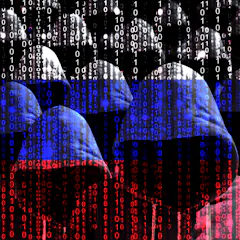
The Russian cyberthreat, now targeting coronavirus vaccine research, goes back over three decades, extends into the country’s educational systems and criminal worlds, and shows no signs of letting up.

Hackers demonstrated they can take over Twitter’s technology infrastructure, a brazen move that hints at how such an attack could destabilize society.

As colleges and universities strive to protect their campuses from COVID-19, they must also pay attention to cyberattacks that target sensitive data, a cybersecurity expert warns.

Twitter’s ‘blue tick’ club of influential users was locked out after financial scammers hacked celebrities’ accounts. But with ever more trust placed in social media, we stand to lose more than money.

Last year, men were more likely to report losses to investment fraud, while women were the main target for romance fraud. Overall, men reported higher financial loss.

Nigeria’s cashless policy seeks to minimise cash-related crimes, but it seems to have replaced that risk with another: electronic fraud.

A recent ransomware attack on the UK electricity system shows this pandemic is also about computer viruses.

Fraudsters have managed to exploit security gaps in the federal government’s early release of super scheme. Here’s what to look out for.

While some online services such as banking do warrant using your true information, many sites shouldn’t require the same level of disclosure. Here’s how to protect yourself in such cases.

Vulnerable websites are popping up as organizations move online during the coronavirus pandemic – and hackers have more time at home alone. The result is more websites falling victim to defacement.

The coronavirus pandemic lays bare the many vulnerabilities created by society’s dependence on the internet. Watch the video to learn more about these issues.

‘Zoombombing’ trolls have started to infiltrate virtual meetings - bombarding unsuspecting victims with racist and sexist speech and in some cases, pornographic imagery.
Top contributors
-

Professor of Cyber Security Practice, Edith Cowan University
-
Senior Lecturer in Networking, The Open University
-
Professor of Criminology, University of Leeds
-
Visiting Fellow, Mannheim Centre for Criminology, London School of Economics and Political Science
-
Director of UWA Centre for Software Practice, The University of Western Australia
-
Professor of Cyber Security, Lancaster University
-
Associate Professor in Cyber Security, Adelaide University
-
Head, The Cyber Academy, Edinburgh Napier University
-
Director, Centre for Internet Safety, University of Canberra
-
Associate Dean (Learning & Teaching) Faculty of Creative Industries, Education and Social Justice, Queensland University of Technology
-
Professor of Cybersecurity, Head of School of Computer Science and Informatics, De Montfort University
-
Professor, Department of Computer Science, University of Surrey
-
Lawyer, Curtin University
-
Senior Lecturer, University of the Witwatersrand
-
Lecturer in Computer Security, University of Kent