

The executive order is voluntary for AI companies but aligns with AI safety experts on the potential for harm.
Articles on Cyber safety
Displaying 1 - 20 of 26 articles

AI-powered cyber-security: the rise of new frontier platforms like Mythos highlights nuclear arsenals’ potential weak spots, and complicates the gambles inherent in nuclear deterrence.

Independent tests suggest Mythos Preview is a major leap forward in the ability of AI to act as a truly autonomous agent.

After two cyber incidents in as many weeks, attention has focused on how the hacks happened. The harder question is how to prevent a repeat.
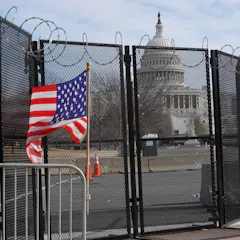
The well-respected Cyber Safety Review Board investigated some of the worst cyber security attacks in US history. Now, it faces an uncertain future.

New research appears to have uncovered a large concentration of young women engaging in harmful online sexual behaviours.

Romance scams exploit people by manipulating emotional connections. Our research shows people with brain injuries may be more at risk – but sharing their stories can be empowering.

Is it reasonable to occasionally inspect a 13- or 14-year-old’s device, or does this undermine a new sense of privacy at this stage?

Cyber-scams tend to ramp up at this time of year, with criminals and scammers eager to exploit people’s generosity and excitement.

The Five Eyes alliance is critical to hunting and detecting foreign cyber actors, but tends to work in secret.

Targeted online ads allow shady advertisers to fly under radar. History shows a need for public accountability.
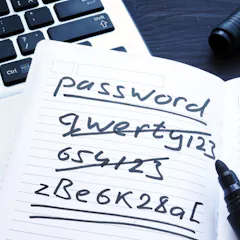
Passwords have been around for decades and we’re still getting it wrong.

Universities hold valuable information but are large and porous communities, with legacy IT systems often adding to the risks. But following a few basic rules can help counter cyber attacks.

Just as office workers need to be aware of cyber risks when setting up a home office, parents need to think about the increased exposure their children will face to cyber threats at home.

‘Zoombombing’ trolls have started to infiltrate virtual meetings - bombarding unsuspecting victims with racist and sexist speech and in some cases, pornographic imagery.

Instead of going after large corporate networks, which often have multiple defenses, cybercriminals can now simply target people’s home networks.
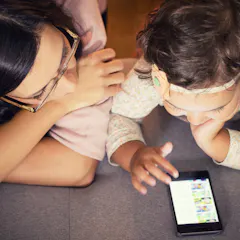
Parents should have conversations with children from a young age about cybersecurity if they’re to develop the skills needed to be safe online.

Racism online is hurtful and damaging. But it can also spill into the real world with deadly consequences – such as the Christchurch terrorism attack.

As cities get smarter, we need to examine carefully who gets our data and what it is used for.

Because teenage boys and girls behave differently online, girls are more at risk for cyberbullying, and intervention needs to take this into account.
Top contributors
-

Security Researcher, Associate Professor in Resilient Systems, Edith Cowan University
-
PostDoc Research Fellow investigating teenage girls' social media practice., Griffith University
-
Principal Research Fellow, RMIT University
-
Professor of Family and Sexual Violence, RMIT University
-
Associate professor, RMIT University
-
Professor of Criminology, University of Sydney
-
Senior Lecturer Indigenous Knowledges, Deakin University
-
Deputy Director, The Kids Research Institute Australia, Professor of Autism Research, The University of Western Australia
-
Professor, Critical Indigenous Studies and Director of The Centre for Global Indigenous Futures, Macquarie University
-
Lecturer in Information Security, Governance and Leadership / Design Thinking, The University of Queensland
-
Professor of Cyber Security Practice, Edith Cowan University
-
Lecturer, Cyberintelligence and Cybercrime Investigations, University of the Sunshine Coast
-
Associate Professor, School of Computer Science and Informatics, De Montfort University
-
Investigadora Científica, Centro de Ciencias Humanas y Sociales (CCHS - CSIC)
-
Doctoral researcher investigating governance of social media platforms, Queensland University of Technology