
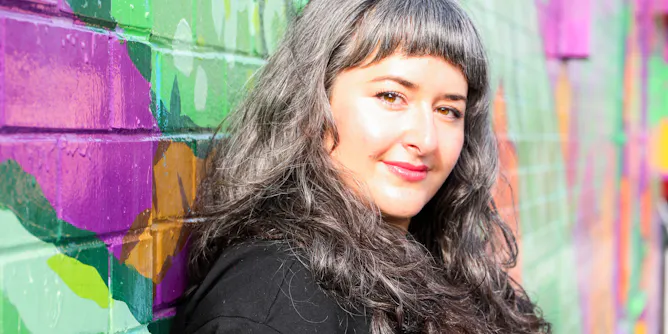
100 years in the future, 40-year-old Esther is the first of 47 sleepers to be ‘woken’ from cryogenic suspended animation in an underground bunker. Where are her children?
Articles on Cryogenics
Displaying all articles
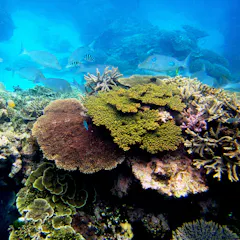
Just as the world’s zoos breed critically endangered animals in captivity to repopulate the wild, scientists are building a global effort to freeze corals for reef restoration.
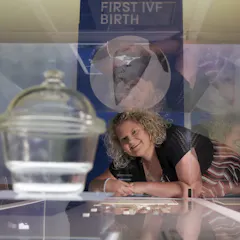
An unknown number of people have lost their dreams of parenthood because of storage disasters at fertility clinics. These experts note poor government oversight and the need for stronger regulation.
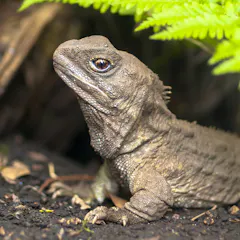
The male anatomy of tuatara, the last representatives of an ancient lineage, is unique among reptiles. They lack a penis, which has made sperm collection a major challenge – until now.
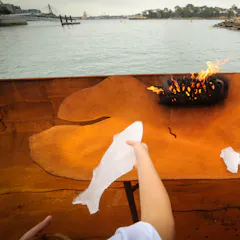
Ecosystems can collapse suddenly and totally. Frozen zoos are trying to create archives of genetic material to prevent total extinctions.
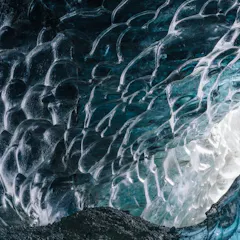
Cryonics is no longer synonymous with science fiction. What are we technically capable of doing and what do we have the right to do?
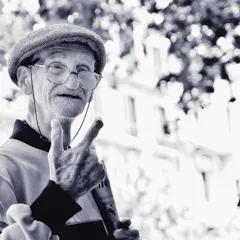
Reader Adam Barclay, 44, wants to know if someone his age has any chance of living forever.
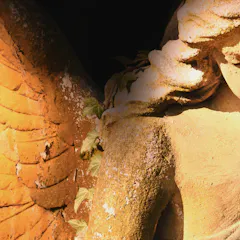
How far would you go to better your life, to live longer, to beat death? And how much can technology help us in that quest?
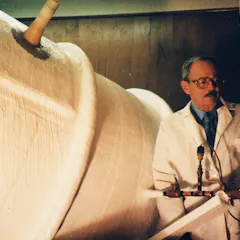
Nanotechnology may one day help make cryonics possible.
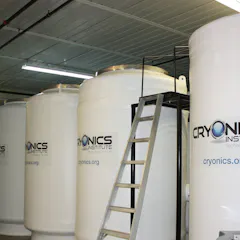
The science of reanimating the dead from deep freeze is one thing. But even if possible, it poses serious social and legal questions.
A UK court has allowed a 14-year-old girl’s body to be frozen until doctors find a cure for the cancer that killed her. Is this latest example of cryogenics hope, hype or hell?
DeLillo’s latest novel dwells on the implications of accelerating technology – including the practice of freezing dead bodies in the hope that one day, they could become immortal.

If frogs can freeze and live to tell the tale, why can’t humans?
Top contributors
-

VC Postdoctoral Fellow, RMIT University
-
NHMRC Senior Lecturer, School of Medical Sciences, UNSW
-
Lecturer in Contemporary Literature and Culture, Edinburgh Napier University
-
Assistant lecturer, Monash University
-
Postdoc Fellow, Robert Bosch Krankenhaus
-
Associate Professor of Law (Health Law), Deakin University
-
Assistant Professor, Department of Chemistry, Warwick University, University of Warwick
-
Senior Lecturer of Regenerative Medicine, Loughborough University
-
Chen Su Lan Centennial Professor in Medical Ethics, National University of Singapore; Distinguished Visiting Professor in Law, University of Melbourne; Uehiro Chair in Practical Ethics, The University of Melbourne
-
Professor of Property Law and Death Studies, Queen's University Belfast
-
Professeur de droit privé et de sciences criminelles, Université Clermont Auvergne (UCA)
-
Guest lecturer, University of California College of the Law, San Francisco
-
Senior Technical Officer - Conservation Ecology, Te Herenga Waka — Victoria University of Wellington
-
PhD Candidate & Teaching Fellow, Te Herenga Waka — Victoria University of Wellington
-
Senior Lecturer, Reproductive and Developmental Biology, Te Herenga Waka — Victoria University of Wellington