

A cascade of changes to eligibility guidelines for the updated COVID-19 vaccines left Americans unsure whether they could still get the shot. That’s where off-label use comes in.
Articles on COVID-19 vaccines and children
Displaying all articles

Healthy children may now only receive a COVID-19 vaccine ‘off-label’ – but in many states, pharmacists and other non-physicians may not be able to administer them that way.
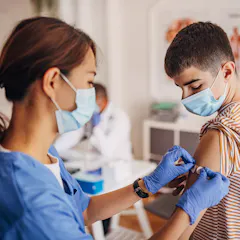
Nurses who identify as Democrats have a significantly higher likelihood of having their children vaccinated against COVID-19 than those who identify as Republicans.
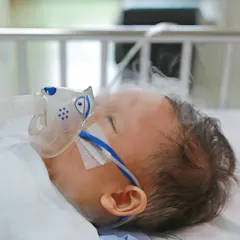
Respiratory viruses are hitting young children and infants particularly hard this fall and winter season, and experts don’t yet know exactly why.

With COVID-19 shots finally available for infants and preschoolers, knowing how to combat misinformation on social media and elsewhere could be more important than ever.

The FDA’s authorization of COVID-19 shots for children ages 6 months to 4 years will bring relief for millions of parents. Pending CDC endorsement, shots for this group will be available within days.
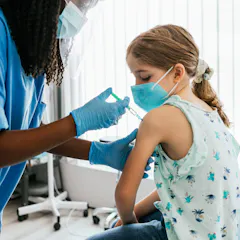
The COVID-19 vaccines continue to be effective against severe illness leading to hospitalization and death in all age groups, including children ages 5 to 11.

Not all parents agree about vaccinating their child. Here’s what’s likely to happen if cases go to court.

Obesity and excess weight increase the risk of COVID progressing to severe disease, including in children. Vaccination is key to reducing this risk.

The CDC’s COVID-19 vaccine provider agreement prohibits health care professionals from administering the vaccines in people for whom they are not yet authorized or approved. But this departs from longstanding norms.
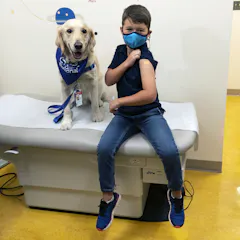
An infectious diseases doctor reviews the evidence, discusses hesitancy and concerns about side-effects and explains the overwhelming case for vaccinating five-to-11-year-olds, including his own son.
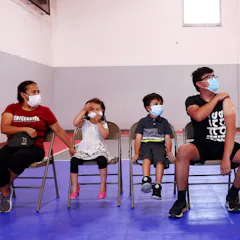
First CDC signed off on a COVID-19 vaccine for adults, then teens. Now US children ages 5 to 11 are officially eligible for shots. Here’s the science on why each group needs to be considered separately.
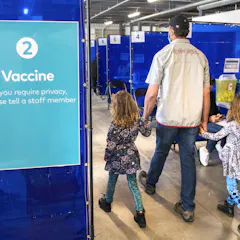
When making the decision whether to vaccinate children aged five to 11 against COVID-19, regulators in Canada must rely on sound ethics as well as sound science.

Reducing transmission of the virus among younger people can help Britain reopen more quickly and reduce the risk of the virus infecting those most at risk.
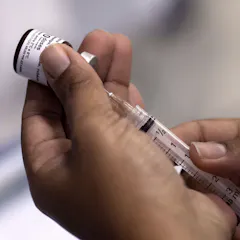
The effects of Ontario’s compulsory school immunization show there are advantages and disadvantages of requiring vaccination.
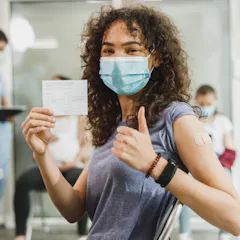
Vaccine hesitancy in parents shouldn’t mean adolescents can’t get vaccinated.

The question of whether we should be vaccinating children and adolescents against COVID-19 is currently being debated. Here’s why the answer is ‘not yet’.
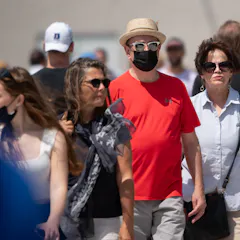
The COVID-19 vaccines are a smash success. But that doesn’t mean they keep every vaccinated person completely free of the coronavirus.
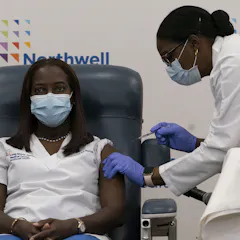
A serious allergic reaction was reported in a health care worker in Alaska after she received the COVID-19 vaccine. Does this mean that people with allergies need to be concerned? An expert answers.
Top contributors
-

Associate Professor of Pediatrics, University of Virginia
-
Professor, The Children's Hospital at Westmead Clinical School and Sydney Infectious Diseases Institute, University of Sydney
-
Associate Professor of Pediatrics, University of Cincinnati
-
Assistant Professor of Law and Assistant Professor of Philosophy, Washington and Lee University
-
Pediatric Infectious Diseases Fellow, University of Pittsburgh
-
Professor of Adolescent Health, Co-Head of the General Practice Clinical School, University of Sydney
-
Professor of Pediatrics, University of Pittsburgh
-
Honorary Clinical Associate Professor, The University of Melbourne
-
Associate Professor, Child and Adolescent Health, University of Sydney
-
Senior Principal Research Fellow; paediatrician; infectious diseases epidemiologist; vaccinologist, The University of Melbourne
-
Associate Professor of Epidemiology, Texas A&M University
-
Professor in Paediatrics, University of Sydney
-
Assistant Professor of Pediatric and Adult Allergy/Immunology, West Virginia University
-
Senior Research Fellow in the Specialty of Child and Adolescent Health, Faculty of Medicine and Health, University of Sydney
-
Research assistant, Department of History, University of Guelph