
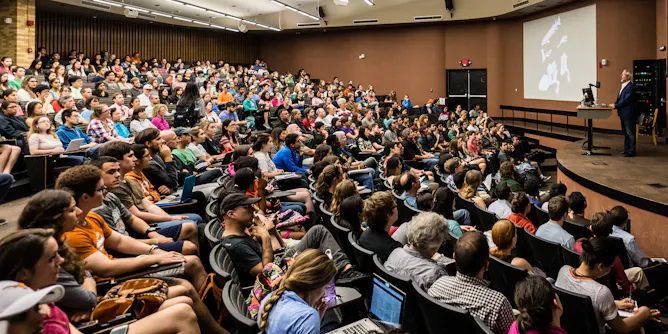
Many universities overseas have already made vaccination a condition of being allowed on campus. There are precedents for this policy, which is based on strong public health and economic grounds.
Articles on COVID-19 vaccination
Displaying 41 - 60 of 71 articles
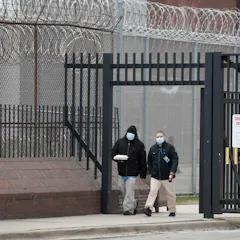
New research shows correctional officers are vectors of infection, driving COVID-19 rates both inside prisons and in their communities.

Do you actually need compulsory vaccination at your workplace? And if you do, as a last resort, how do you make mandates fair?

Since late July, China has faced its biggest challenge since the first wave in Wuhan.
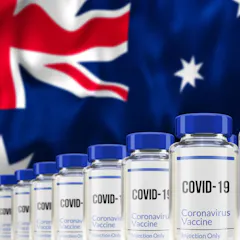
Coordinate, motivate, deliver. That’s only the start of the jargon in Australia’s plan to vaccinate the nation.

But herd immunity is not our only option. If we don’t vaccinate children, we may have to settle for lesser protection of the population.
When politicians and others speak about herd immunity, unfortunately, they are under the misconception that the current tools that we’ve got are adequate to eliminate the virus.
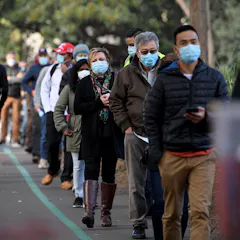
To get to stage C of the plan out of COVID, 80% of adults over 16 need to be vaccinated. But that equates to just under 65% of all Australians – too low to safely open international borders.

The international evidence so far shows COVID vaccines are safe for pregnant women and effective at preventing severe disease.

What do you need to weigh up when working out whether to get the AstraZeneca vaccine? Here’s what the evidence says.
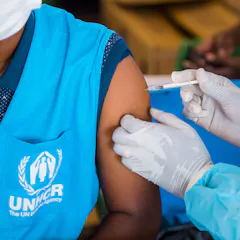
Failure to ensure access for all to prevention and treatment, including vaccines, undermines national responses to COVID-19.
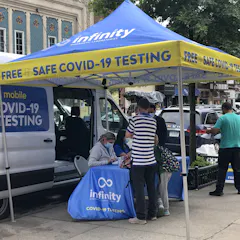
Vaccines can’t provide 100% protection, so it’s not a failure or surprise when some vaccinated people get sick with COVID-19. The good news is their cases are much less likely to be severe or fatal.
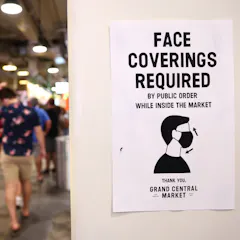
The CDC guidance applies to areas with high coronavirus transmission rates – which on the day of the announcement covered 63% of US counties.

New studies show men who have had COVID-19 could face serious reproductive health issues.
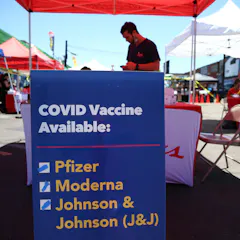
People who haven’t gotten vaccinated for COVID-19 often have complex reasons for their relunctance or may face other barriers. Lumping them all together undercuts the vaccination campaign.

Even when we immunise all Australians who want to be protected against COVID-19, we’re unlikely to achieve herd immunity through vaccination alone. We need three other measures to open our borders.

The question of whether we should be vaccinating children and adolescents against COVID-19 is currently being debated. Here’s why the answer is ‘not yet’.

The messages people under 60 have been getting about the AstraZeneca vaccine this week have been confusing, to say the least. Experts say to consider the risks and benefits. But how do you do this?

While Pfizer is still the preferred vaccine for under 40s, those who don’t want to wait can now talk to their GP about getting an AstraZeneca shot. But what risks and benefits do you need to weigh up?

Our attitudes and behaviours are shaped by what others in society do. So there’s a real danger that vaccine hesitancy, when reported widely in the media, could catch on to more people.
Top contributors
-

Professor, The Children's Hospital at Westmead Clinical School and Sydney Infectious Diseases Institute, University of Sydney
-
Professor of Law, Boston University
-
Associate Professor of Pediatric Cardiology, Oregon Health & Science University
-
Professor, Biology, York University, Canada
-
Chen Su Lan Centennial Professor in Medical Ethics, National University of Singapore; Distinguished Visiting Professor in Law, University of Melbourne; Uehiro Chair in Practical Ethics, The University of Melbourne
-
Professor of Paediatrics and vaccinologist, Royal Childrens Hospital, University of Melbourne and Murdoch Childrens Research Institute (MCRI); Associate Dean International, University of Melbourne, Murdoch Children's Research Institute
-
Research associate, Warren Alpert Medical School, Brown University, Brown University
-
Professor, Public Service Research, UNSW
-
Professor, School of Population Health, UNSW
-
Medical Lead, Royal Prince Alfred Hospital COVID Vaccination Clinic, Sydney Local Health District, Boden Professor of Human Nutrition, School of Life and Environmental Sciences, University of Sydney
-
Associate Professor of Medicine, University of Virginia
-
Director, Centre for Big Data Research in Health, UNSW
-
General Paediatrician; Research Fellow, National Centre for Immunisation Research and Surveillance, University of Sydney
-
Associate Professor, School of Professional Communication, Toronto Metropolitan University
-
Associate, Grattan Institute