

The Nigerian government needs to understand that banditry is an act of warfare and should be treated as such.
Articles on Counter-terrorism
Displaying 41 - 60 of 225 articles

It is often difficult to place an imminent terrorist attack in a location or time.
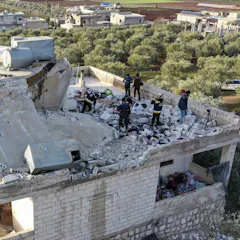
Abu Ibrahim al-Hashimi al-Qurayshi had led the terrorist group since 2019. His death may lead to uncertainty over who will replace him but may not signal the group’s demise.
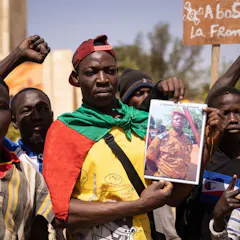
The latest coup now presents a fork in the road for West African, French, and American policymakers.
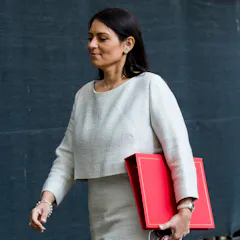
Knowing the number of people who have had their citizenship removed is crucial to holding a powerful government to account.

People may think of the metaverse as virtual, but the harm terrorists and extremists could do is very real.
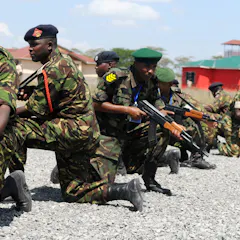
Military expenditure is a relevant policy option in reducing the negative effect of terrorism on economic growth in Africa.
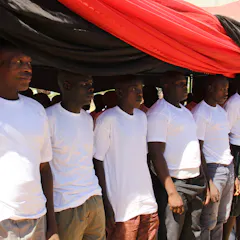
Nigeria’s plan of de-radicalising and integrating former Boko Haram terrorists should be fine-tuned to achieve more.
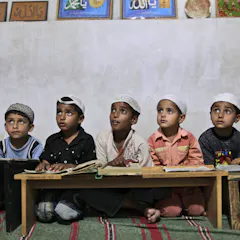
Madrassas don’t just provide an education that may lead to terrorism. They provide critical financial support to impoverished people.
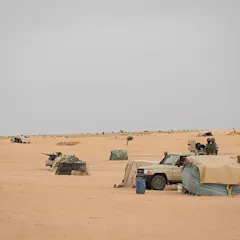
The political will displayed by the Sahel member countries of the G5 Task Force appears to be out of step with the actual capabilities of their armies.
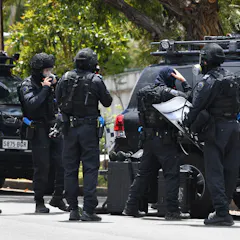
Australia is a long way from New York and Washington DC, but 9/11 was a seismic event for our country. For one thing, it has reshaped our ideas about criminal responsibility
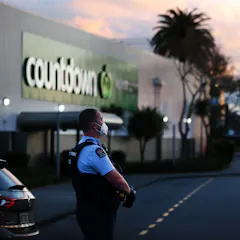
In the wake of the Christchurch and Auckland attacks, should official definitions of terrorism conflate the actions of a white supremacy extremist and a radical Islamist extremist?
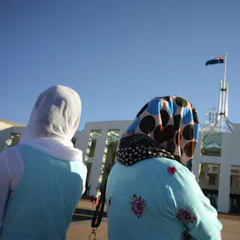
Those born after 2001 have only known a world at ‘war on terror’. New research looks at the impact this has had on the lives of young Muslim Australians.
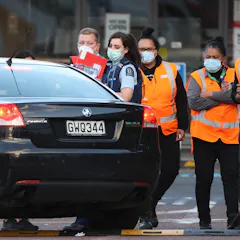
New Zealand’s second terrorist attack in two years highlights weaknesses in existing counter-terrorism laws. Beyond fast-tracking changes to those laws, two other legal areas need urgent review.

The case may set a precedent about what is fixated behaviour and an appropriate use of the FPIU.
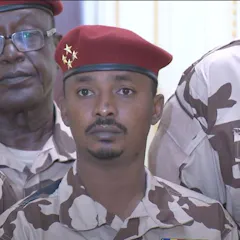
The struggle among elites has not resulted in efforts to improve the material lives of ordinary people unconnected to the political elite.

Calls to ban far-right groups should be treated with caution. Anything that drives extremism further underground risks making the situation worse.

As New Zealand marks the second anniversary of the March 15 atrocity, the general terror threat has increased and doubts persist about police and security agency preparedness.
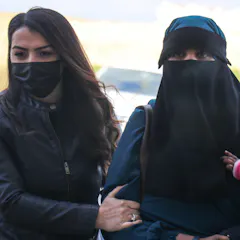
The trans-Tasman diplomatic stand-off is complicated by the fate of two young children. Their rights will be central to resolving the situation.

The time has come to deal with hateful extremism before it manifests as violent extremism. This includes having a public register of hate incidents.
Top contributors
-

Professorial Fellow, University of Canberra
-
Associate Professor, School of Social Science, The University of Queensland
-
Associate Professor in North American History, University of Birmingham
-
Chair in Global Islamic Politics, Alfred Deakin Institute for Citizenship and Globalisation, Deakin University
-
Associate Professor, Griffith Criminology Institute, Griffith University
-
Visiting Fellow, Department of Political and Social Change, The Philippines Institute, Australian National University
-
Reader (Associate Professor) Department of Political Science, Federal University of Lafia, Nigeria, Federal University Lafia
-
Reader in Constitutional Law and Human Rights, University of Birmingham
-
Associate Professor, TC Beirne School of Law, The University of Queensland
-
Professor of International Politics, School of Politics, Philosophy, Language and Communication, University of East Anglia
-
Adjunct Associate Professor, Departnent of Social Sciences, Pwani University
-
Associate Professor, School of Criminology, University of Leicester
-
Research Fellow at the Program on Extremism, George Washington University
-
Senior research Fellow, Leeds Beckett University
-
Assistant Professor, School of Politics and International Relations, University of Nottingham