
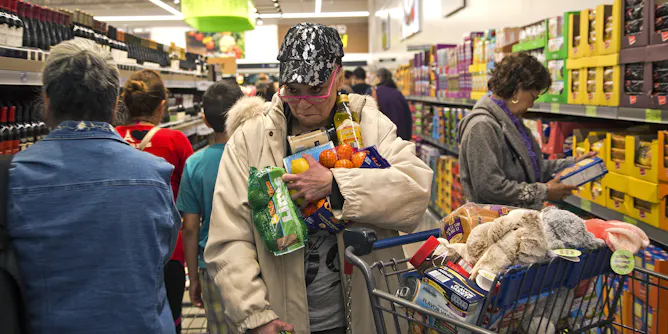
The rising cost of groceries and gas is fueling the fastest increase in consumer prices in 40 years and widening the inflation gap between the rich and poor.
Articles on Coronavirus recession
Displaying 1 - 20 of 27 articles
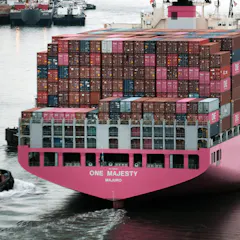
Job creation might well have slowed, but a deeper dive into employment data suggests the picture is actually pretty rosy.

Central bankers are expected to discuss the racial income and wealth gaps during the virtual Jackson Hole retreat. But an economist argues that the Fed is not suited for addressing these issues.

During economic downturns, local governments tend to cut spending on libraries, even as the need for their services grows.
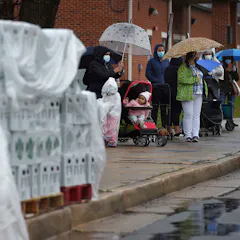
A team of experts are projecting that after a steep increase in 2020, food insecurity rates will dip in 2021. But behind this is a racial gap – rates for Black Americans will remain stubbornly high.
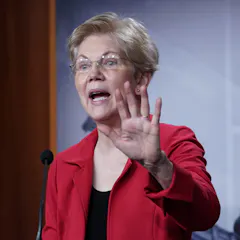
Economists estimate the tax on households worth over $50 million could bring in $3 trillion over 10 years, but it will run into constitutional challenges.
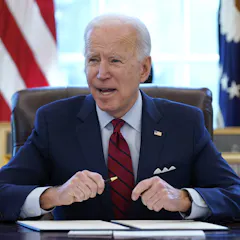
Whether the next pandemic bailout bill is called relief or stimulus depends on what ails the US economy – and maybe it doesn’t matter at all.
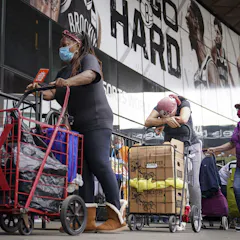
A survey of the impact of the first few rounds of coronavirus aid shows that most of those who lost jobs or wages due to the pandemic were facing severe economic hardship.

The world’s most advanced economies will incur half the total costs associated with a failure to vaccinate poorer nations, which could exceed $4 trillion if only half their citizens are inoculated.
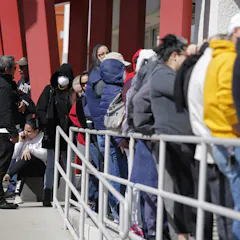
The widely reported unemployment rate – currently 6.3% – doesn’t fully reflect the reality of joblessness in the US economy.
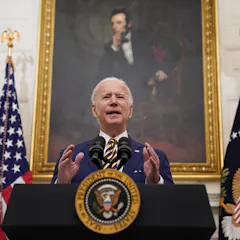
Biden proposed $1.9 trillion in new coronavirus relief spending to help with the economic fallout of COVID-19. Four economists have a few ideas for him.
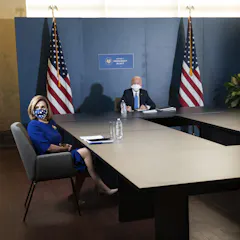
Since 1953, the economy has only rarely been in recession when a Democrat was in the White House.
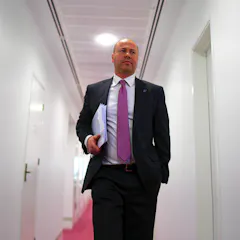
The government has done a good job so far, but it will have to direct future support to the Australians most likely to spend.
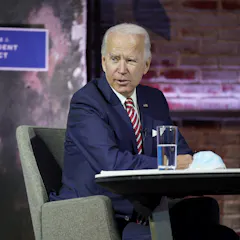
The Biden administration plans to push for a bold stimulus package to bolster the ailing American economy. An economist explains what he’s up against.
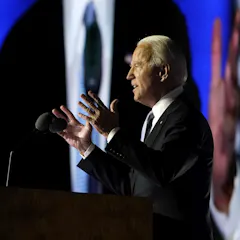
The US economy historically does better under Democratic presidents than Republicans, with far fewer months spent in recession
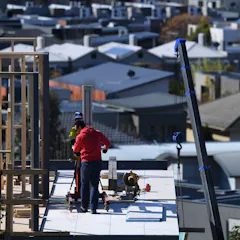
Current housing stimulus measures aim to boost buyer demand and are too small to sustain a recovery. A second round of stimulus is likely to be needed, and it should go into social housing supply.
Some economists have begun to compare the current recession and recovery with a ‘K,’ while others see a ‘V.’ Which is it, and what does it mean?
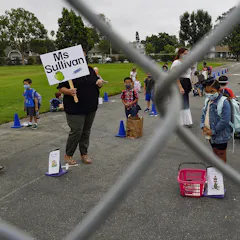
When the federal government doesn’t intervene during downturns, the states often cut school spending. In turn, teachers may earn less or lose their jobs. And three in four teachers are female.
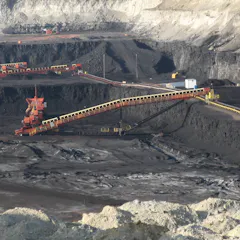
The pandemic recession has reduced US energy demand, roiling budgets in states that are major fossil fuel producers. But politics and culture can impede efforts to look beyond oil, gas and coal.
Congress is spending trillions of dollars trying to rescue the US economy and support workers and businesses. Can America afford it? ‘No sweat,’ according to modern monetary theory.
Top contributors
-

Assistant Professor of Business Economics, Indiana University
-
Associate Professor of Finance, Texas State University
-
Associate Professor of Economics, University of South Carolina
-
Associate Professor of Economics, Pace University
-
Part-Time Professor of Economics, The New School
-
Professor of Law, University of Minnesota
-
Senior Research Fellow (Adjunct), Adelaide University
-
Director, Centre for Western Sydney, Western Sydney University
-
Presidential Distinguished Professor of Energy Policy and City Planning, University of Pennsylvania
-
Scholar in Residence, University of Wyoming
-
Professor of Economics, University of Maryland
-
Professor, School of Civil Engineering and Construction Management, Adelaide University
-
Assistant Professor of Library and Information Science, University of North Carolina – Greensboro
-
Postdoctoral research fellow, Curtin University
-
Assistant Professor of Economics, Clark University