
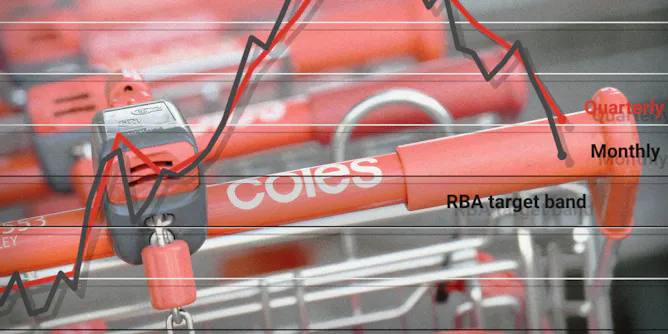
On one measure the latest inflation rate is just 3.4%, within spitting distance of the Reserve Bank’s 2–3% target.
Articles on Consumer price index (CPI)
Displaying 41 - 60 of 123 articles

Two important inflation indicators are trending in different directions. What gives?

Per person, we’re spending less this year – even on this year’s much hyped Black Friday sales. If that continues over summer and inflation stays low, a rate hike in February 2024 looks unlikely.
Average prices fell in October, driven down by dives in the price of petrol and overseas travel, and an increase in Commonwealth Rent assistance.

Prices remain high and there is much more the government could do to help people.

The governor’s remarks about the board “not hesitating” to raise rates further aren’t as clear cut as they seem.

There’s a need to support production and efficiencies in supply and distribution of essential goods and services in Kenya.

Petrol prices have pushed inflation up. At its next meeting, the Reserve Bank board is going to have to decide if that warrants an increase in interest rates.

Official data confirms what we are all experiencing - the cost of most things has jumped. So how is this measured and where are the biggest increases?

Many Canadians are puzzled by food prices remaining high despite the Bank of Canada’s efforts to curb inflation. If interest rate policies aren’t bringing food prices down, then what will?
Inflation has slipped faster than the Reserve Bank thought it would, and the underlying rate is down to 5.4%. The bank is likely to tread cautiously from here on.

The Fed said it’s pausing its aggressive rate-hiking campaign as it collects more data on the impact.
UK inflation has been stubbornly high and interest rate hikes have not yet brought it in line with other advanced economies.

Prom can be very expensive, but prices for clothes, photographers and other traditional gear haven’t climbed as much as everything else.

The numbers seem to be going in the ‘right’ direction for the Fed to pull off a soft landing – and avoid a recession – but the picture remains murky.

Australia’s inflation data for the March quarter suggests the central bank will impose one or two further increases to meet its policy objectives.
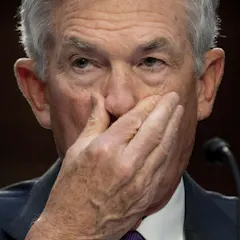
Big interest rate hikes could cause more market turmoil, while doing too little could have the same effect.
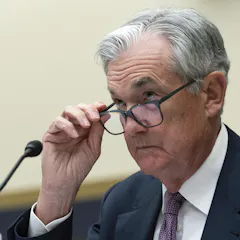
The latest consumer prices report shows cost of living is still rising far above the Fed’s target. But don’t expect monetary policymakers to aggressively hike rates.
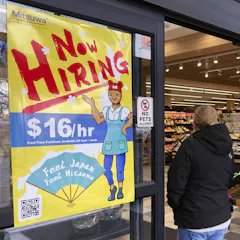
The Fed has been trying to tame employment and wages to keep inflation in check. It ain’t working.
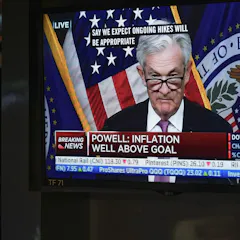
The Fed lifted its benchmark interest rate just 0.25 percentage point following a series of much more aggressive rate hikes in 2022.
Top contributors
-

Senior lecturer, Canberra School of Government, University of Canberra
-
Visiting Fellow, Crawford School of Public Policy, Australian National University
-
Associate Professor, School of Economics, University of Sydney
-
Scientia Professor of Economics, UNSW
-
Assistant Professor of Economics, Clark University
-
Professor of Economics, University of Nebraska Omaha
-
Professor of Finance, North Carolina State University
-
Professor of Finance and Fred T. Tattersall Excellence in Finance Research Chair, West Virginia University
-
Lecturer in Economics, Monash University
-
Associate Professor of Business, Boston University
-
Associate Professor of Economics, Pace University
-
Professor of Economics, University of Canberra
-
Professorial Fellow, University of Canberra
-
Teaching Focused Lecturer in Econometrics, University of Manchester
-
Professor, Crawford School of Public Policy, Australian National University