
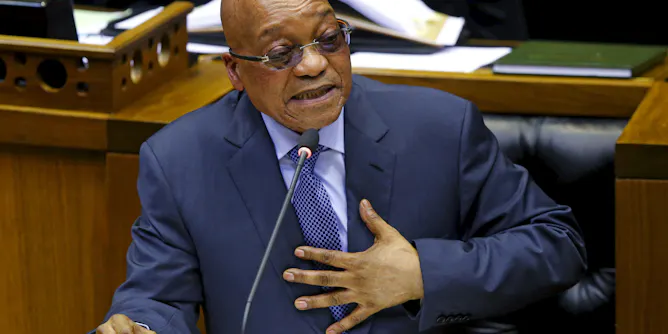
President Jacob Zuma has been brought to book repeatedly by South Africa’s courts. He also faces a rising tide of discontent. One way or another, he seems to be running out of political lives.
Articles on Constitution
Displaying 181 - 200 of 278 articles
A motion of no confidence - secret or open - in South Africa’s president will be destabilising. There’s value in ensuring that such a hefty decision is made openly and with courage of conviction.

A financial system that is sure to collapse if the central bank cares about people’s well-being goes against democratic principle.
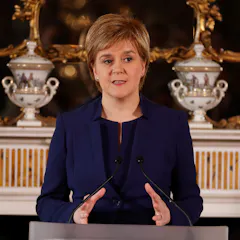
Even though they won the election in Scotland, the result will be portrayed as a loss for the SNP. So where does it leave Nicola Sturgeon on a second independence referendum?
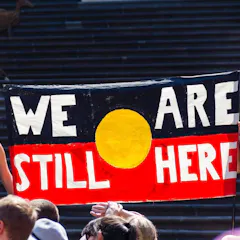
The result of the 1967 referendum may well have made Australia appear less racist, but it did not address the inherently racist nature of the Constitution.
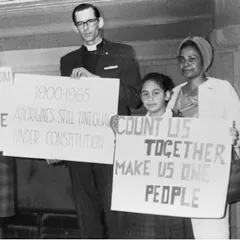
The 1967 referendum was the culmination of a long struggle for both Aboriginal rights and respect, for social esteem as well as equality before the law.

The 1967 referendum fell far short in giving people what they thought they were voting for, and in giving Aboriginal people what they wanted from it.
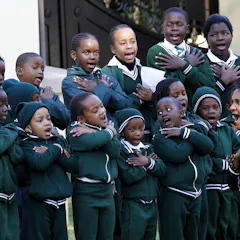
A civil society organisation, OGOD, wants South Africa’s public schools to stop calling themselves Christian and to outlaw their religious practices.
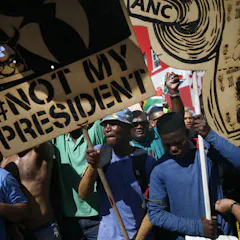
A ruling by a South African court makes it unlikely that the country will see any nuclear development in the foreseeable future.
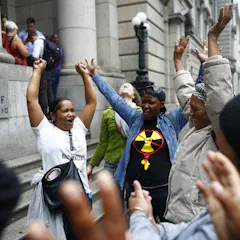
The Cape High Court ruling which declared South Africa’s nuclear energy plan as illegal may have put paid President Jacob Zuma’s ambitions of clinching the deal while he is still in office.
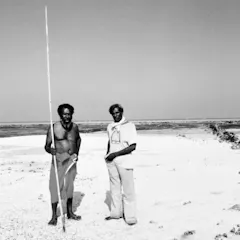
The Mabo decision changed Australia’s concept of land ownership. It was a divisive yet important step toward recognising Indigenous rights and establishing native title.
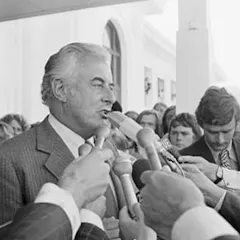
The Dismissal soured politicians’ taste for brinkmanship. It revealed the likely consequence of a loss of political legitimacy.
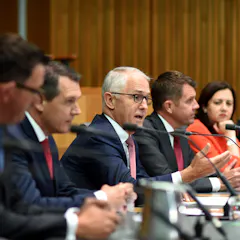
The reason for the constant struggle for funding between the states and federal government relates back to the constitution.
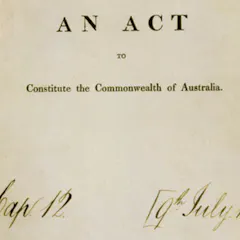
Australia’s Constitution is a product of foreign and domestic political influences. It has become one of the enduring aspects of Australian politics and law, for better and worse.

South Africa’s army is in a dire situation because the government hasn’t provided sufficient funding over the past two decades, hampering its ability to fulfil its duty.
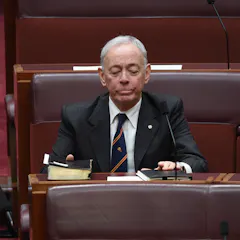
The key takeaway from the Bob Day case is that courts interpret the eligibility requirements for election strictly.
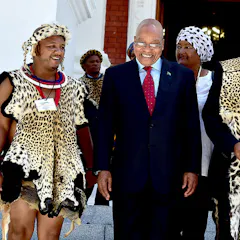
The clash over South Africa’s Traditional Courts Bill is essentially about custom and constitutionalism. The government is often seen as pandering to traditional leaders’ whims.
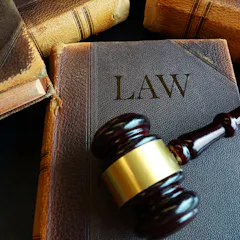
The idea behind much of Kenya’s legislation enacted by the colonialists was to separate whites from other races. So why are these laws still on the books?

The rationale for banning foreign donations is to stop the threat of overseas interests undermining Australian democracy.

A lot more goes into the making of South Africa’s final national budget than many people realise. The process involves extensive legalities designed to ensure public oversight.
Top contributors
-

Professorial Fellow, University of Canberra
-
Professor of Law, UNSW Law School, UNSW
-
Professor Emerita in Constitutional Law, University of Sydney
-
Associate Professor in Law and Public Policy, University of Oxford
-
Research Fellow, School of Law, The University of Queensland
-
Visiting Professor at the Business School, University of the Witwatersrand
-
Senior Lecturer in Law, Charles Sturt University
-
Professor of Sociology, University of the Witwatersrand
-
Professor of Constitutional Law, Monash University
-
Associate Professor, Faculty of Law, Monash University
-
ANU Law, Australian National University
-
Professor of Political Studies, University of Johannesburg
-
Professor of Public Affairs, Tshwane University of Technology
-
Associate Professor, Faculty of Law & Justice, UNSW
-
Professor, Department of Legal Studies, School of Public Policy, University of Massachusetts Amherst