
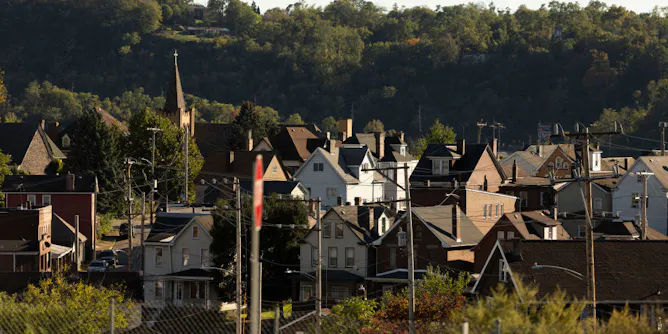
A decade of research on Pittsburgh’s Hazelwood neighborhood finds that major riverfront investment did not push out longtime residents.
Articles on community development
Displaying all articles

Providing street lighting will need a new approach to infrastructure development.
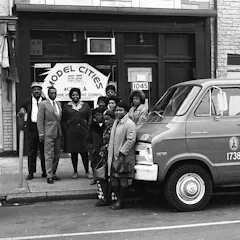
The Great Society’s Model Cities Program wasn’t perfect. But it offered a vision of what democratic, community-based planning could look like.

City Symposium in London, Ont., brought artists, activists, civil servants and academics together to broaden understanding about health inequity research in the community.
Tax dollars don’t always go to the communities that need them most.

One interviewee told us: ‘Today our lives are being governed by a bureaucrat who hasn’t seen a Blackfella in their life or haven’t spoken to one.’
Community wealth building is a direct response to extractive policies and aims to build an economy on the principles of local ownership and control of assets.
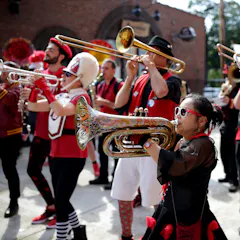
Organizers across the US are finding innovative grassroots strategies for helping people thrive. Many of these ventures emphasize working together as part of communities and collective systems.
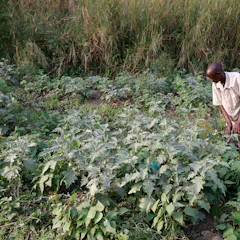
The creation of resources that are shared, accessible, and collectively owned and managed by communities has become a way for social entrepreneurs to contribute to community development.

People moving to new cities build new connections and develop resources to meet their needs. But the pandemic has cut off access to the spaces and facilities that enable this.
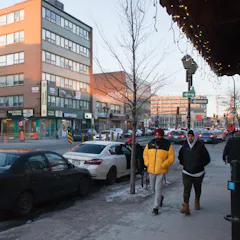
Gentrification often leads to the eviction of poor and largely racialized populations. When a university campus drives the change, they can choose to do something about it.

The law missed the opportunity to address misuse of mineral royalties and increase transparency as well as accountability in mineral royalty management.

Higher education needs to do more than produce graduates who can get a job. It should also give students opportunities and a voice when it comes to participating in the economy and broader society.
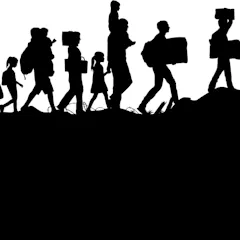
Deportees and other migrants return home wealthier, more educated and with more work experience than people who never left. This ‘brain gain’ benefits the whole community, financially and politically.

Curbing negative gearing will help get empty housing onto the market. This could go some way to bringing life back to relatively dense urban centres that are oddly lacking intensity of public life.
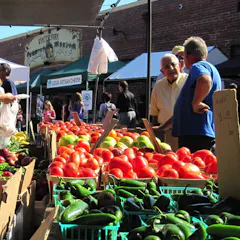
Communities that rate highly for liveability share certain essential features. We can identify and build these key ingredients into our cities to create thriving places where people want to live.
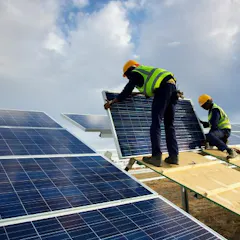
Renewable energy programmes in South Africa need stronger policies to ensure that communities benefit.
Top contributors
-

PhD Candidate, University of Cape Town
-
Housing Policy Researcher, Expert Advisor, Housing Assessment Resource Tools and Adjunct Professor, L’Université d’Ottawa/University of Ottawa
-
Professor, Director Australian Urban Observatory, Centre for Urban Research, RMIT University
-
Director, Social & Global Studies Centre, RMIT University
-
Distinguished Professor and Director, Urban Futures Enabling Capability Platform, and Director, Healthy Liveable Cities Group, RMIT University
-
Professor of Architecture and Urban Design, The University of Melbourne
-
Associate Professor of Sociology, Fort Lewis College
-
Associate Professor, School of Human Resource Management, York University, Canada
-
Associate professor of Communications, Concordia University
-
Associate Professor of Political Science and Public Administration, University of Idaho
-
Lecturer, University of Pretoria
-
PhD Candidate, Film, Media, and Cultural Studies, Birkbeck, University of London
-
Senior lecturer, University of Cape Town
-
Associate Professor of Public Administration, Indiana University
-
Senior Researcher at the African Climate and Development Initiative, University of Cape Town