
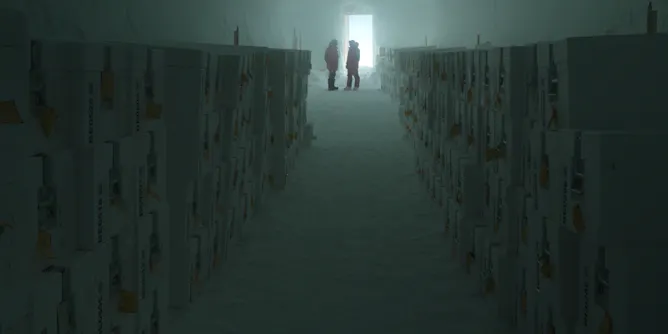
With an average temperature of -50°C, Antarctica’s first-ever 100% natural sanctuary protects endangered ice cores from global warming.
Articles on Cold War
Displaying 21 - 40 of 360 articles
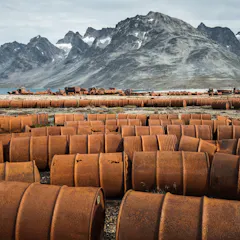
History also shows that many of the fanciful engineering ideas for Greenland failed because they misjudged the island’s harsh climate and dynamic ice sheet.

Talk of regime change brings up uncomfortable memories of the chaos after the overthrow of Iraq’s Saddam Hussein.
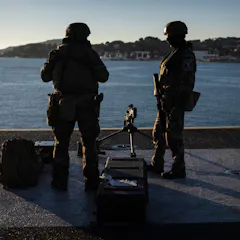
The Red Sea region has become a showcase of the new alliances shaping global power and influence.
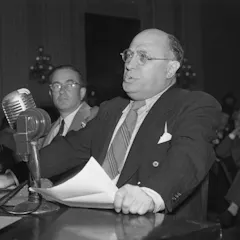
The congressional anti-communist hearings of the 1940s are a reminder that freedom of speech today is even more fragile than it may seem.
The UK is being pulled into a new nuclear arms race.

A common US-centric narrative holds that the Cuban missile crisis ended when Washington stood firm against the Soviets. But that story ignores a whole continent.

Espionage trials risk revealing the sometimes highly confidential methods by which evidence had been gathered against the accused.

As hundreds of military brass descend on a base in Virginia to be addressed by Pete Hegseth, his newly bestowed title is ‘Secretary of War.’ That means something.
Tolerance for the use of force in the conflict in Cameroon has undermined the appeal of dialogue and negotiations.
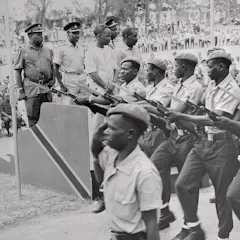
The early history of the Tanzanian army was shaped by interwoven domestic and international politics.

The move has prompted fears of a new nuclear arms race.
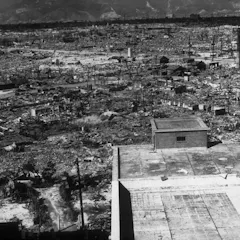
In the wake of the US attacks, the international community asked itself how it could ensure that such horrors were never repeated.
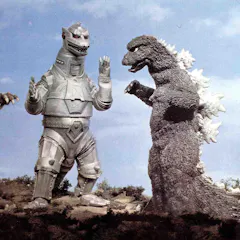
Great powers rely on military, diplomatic and economic dominance. But in a multipolar world, power has been duluted.
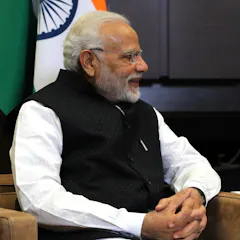
Narendra Modi is on a mission to grow India’s global influence.
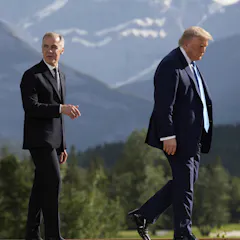
Through its numerous statements and decisions, the Trump administration is breaking with the American hegemony that has long structured the international order. The country will emerge weakened.
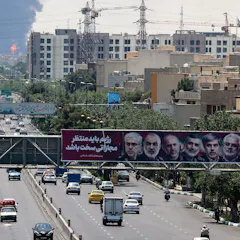
Close to 100 scientists have been killed or abducted to stymie foreign nations’ nuclear programs since World War II. But the tactic has serious drawbacks as a means of countering proliferation.
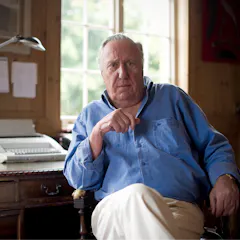
A fellow journalist and academic researcher in the UK’s cold-war propaganda efforts describes his experience meeting the late bestselling author.

As the fate of US cultural exchange programs is debated, one foreign policy historian recounts how such programs have made it ‘harder to hate people you really know.’

The bizarre, homemade technology became a way to skirt censors in the Soviet Union – and even played an indirect role in its dissolution.
Top contributors
-

Honorary Professor of International Relations, University of the Witwatersrand
-
Professor of Political Science, University at Buffalo
-
Lecturer in Peace Studies and International Development, University of Bradford
-
Pro Vice-Chancellor Research and Professor of International Studies, La Trobe University
-
Professor of Political Science, Kansas State University
-
Professor of Political Science, Boise State University
-
Professor of International Security, University of Birmingham
-
Professor of History and Political Science, University of Michigan
-
Senior Research Fellow, Centre for the Advancement of Scholarship, University of Pretoria., University of Pretoria
-
Associate Professor of Global Studies, Appalachian State University
-
Political Scientist, University of the Western Cape
-
Lecturer in Strategic Studies and International Relations, University of Reading
-
Professor of Political Science, Macalester College
-
Associate Professor in Archaeology and Space Studies, Flinders University
-
Professor of Military History, University of Calgary