
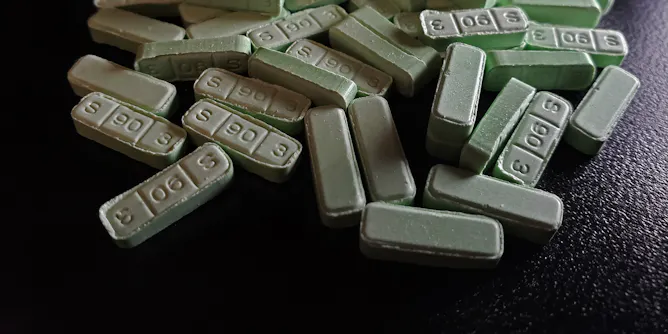
Synthetic opioids called nitazenes are ones to watch in 2024.
Articles on Cocaine
Displaying 21 - 40 of 79 articles
Women are catching up with men’s drug use.

Calixcoca, which is in the final stages of study, could be a tool in the addiction treatment package.
The US has seen a huge rise in drug deaths in the past decade involving a stimulant and a depressant.

As British Columbia begins a new era in drug policy, the drug poisoning crisis continues without an end in sight.

Ronald Reagan may have been known as ‘The Great Communicator,’ but rap artists don’t view his legacy through such rose-colored glasses. A professor of Black studies and history takes a closer look.
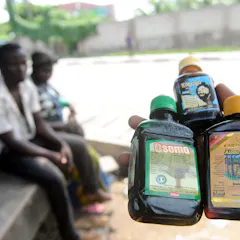
People in Nigeria are creating new drugs either because they can’t afford more traditional narcotics, because they’re not controlled or because they’re strong.

British Columbia’s bold experiment provides an opportunity to implement more balance in Canadian drug policy, and a more principled withdrawal from the war on drugs.

Now restrictions are easing, some people who have not used alcohol or other drugs recently may start to use them again, and need to be aware of their reduced tolerance.
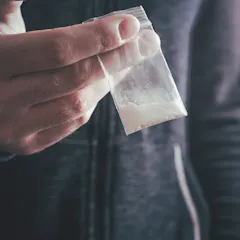
In an effort to reduce costs, drugmakers and dealers often cut, or adulterate, recreational drugs with substances that have been banned by the FDA.
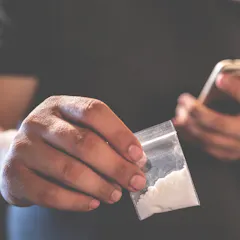
Decriminalisation of illicit drugs is the natural conclusion to decades of research on drug-related harms.
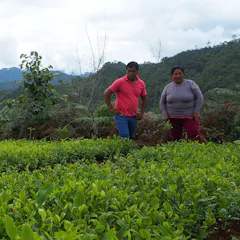
Coca is illegal – and there are harsh penalties for cultivating it. But farmers whose families face poverty say they have no choice.
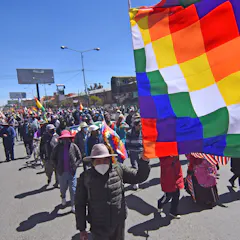
Bolivia’s drug control strategy was once internationally applauded.

Step aside, Pablo Escobar. New research shows it was poor farmers who helped turn Colombia into the world’s largest drug producer when they started growing and exporting pot in the 1970s.

The federal government’s fight against cocaine distribution wrongly assumes that it’s all destined for the US.
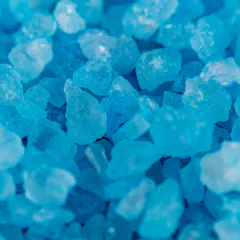
Methamphetamine use has increased dramatically in Asia in the past five years, overtaking even the US. Now cartels spy an opportunities in Europe.
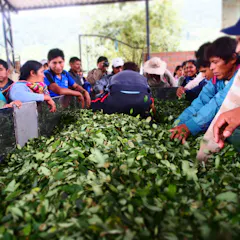
Production of coca leaf, the raw material in cocaine, is surging in Peru despite 40 years of forced eradication designed to convince farmers to abandon it. Bolivia shows a better way forward.
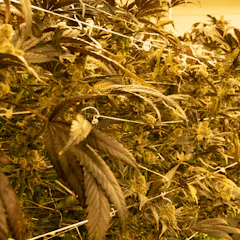
It’s difficult to find toilet paper, but apparently there’s no shortage of cannabis.
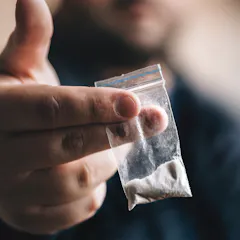
Fentanyl has been a prime culprit in the opioid crisis in the United States. It’s now turning up in cocaine and methamphetamine in New South Wales.

Addiction to cocaine is wildly difficult to conquer. But physicians may soon have a new type of gene therapy for patients that makes the drug less alluring.
Top contributors
-

Honorary Fellow, Department of Health Sciences, University of York
-
Professor in Substance Use, Liverpool John Moores University
-
Adjunct Professor at the National Drug Research Institute (Melbourne based), Curtin University
-
Visiting Fellow in Archaeology, Geography and Environmental Science, University of Reading
-
Associate Professor in Human Geography, University of Reading
-
Research Fellow, National Drug and Alcohol Research Centre, UNSW
-
Senior Research Fellow, National Drug and Alcohol Research Centre, UNSW
-
Visiting Fellow in Archaeology, Geography and Environmental Science, University of Reading
-
Lecturer, Psychology and Epidemiology, University of Liverpool
-
Associate Professor of Sociology, Bentley University
-
Principal Research Fellow, Australian Research Centre in Sex, Health and Society, La Trobe University
-
Professor, Director of Research and Statistical Support Service and Program Leader for Substance Use and Mental Health, Centre for Health Services Research, The University of Queensland
-
Wellcome Trust Research Fellow, University of Glasgow
-
Associate Professor, Medical History, Department of Health Sciences, Brock University
-
Researcher assistant professor in the Department of Anesthesia & Critical Care, University of Chicago