
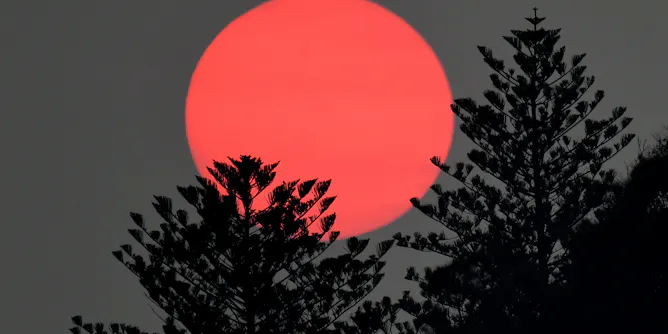
IPCC authors go beyond the headlines to explain how 1.5°C warming is measured – and why there’s still reason to hope, and act, if Earth exceeds that limit.
Articles on Climate science
Displaying 161 - 180 of 327 articles
An article in the eminent US magazine Science has triggered debate over whether scientists should use climate models. Here’s what you should know about climate models ahead of today’s IPCC report.
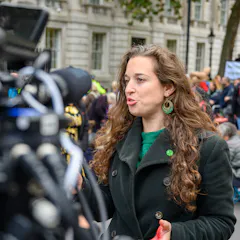
A new study reveals how female climate scientists are perceived by their peers during media interviews.
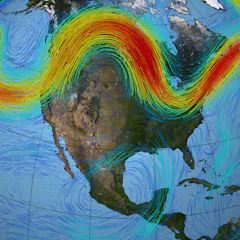
Rain near Japan triggered a heat wave in North America. To know our future, we have a lot to learn about what drives extreme weather.
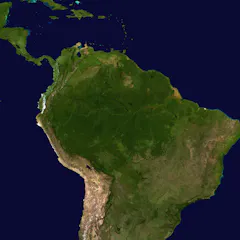
Even this radical scenario wouldn’t be as effective as it may first seem.
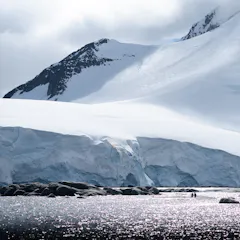
If emissions continue at their current pace, Antarctica will cross a threshold into runaway sea rise when today’s kids are raising families. Pulling CO2 out of the air later won’t stop the ice loss.
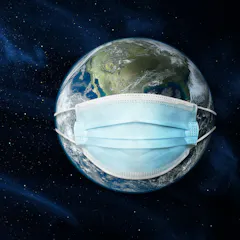
Lockdowns didn’t have the impact many had hoped.
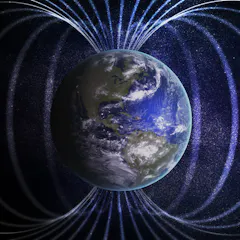
Scientists have uncovered evidence of a global paleopocalyspe.
If a major new study is right, then even our most cautious climate projections have likely been optimistic.
Our research found these remote Arctic islands are particularly vulnerable to climate change.
Scientists find oceanic heat has overtaken atmospheric heat as the main cause of melting.
Clouds can act as both blanket and parasol – warming our atmosphere at the same time as cooling it. But which effect will dominate?
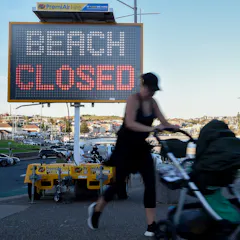
My research shows we’ll need transformative change not just temporary lockdowns for COVID-19 to make much difference to the climate.
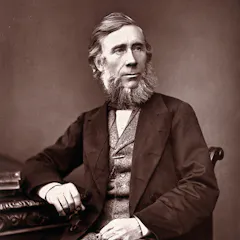
The man who explained the greenhouse effect was accidentally killed by his wife.
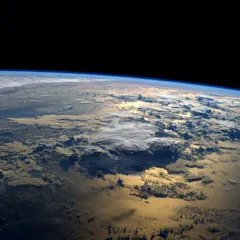
New study shows low levels of future global warming are far less likely than previously thought. Very high warming is also slightly less likely.
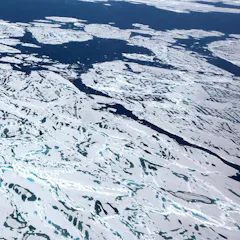
Understanding sea ice loss requires expensive and difficult expeditions. Scientists have developed a new model that predicts the growth of small ponds on sea ice more efficiently.
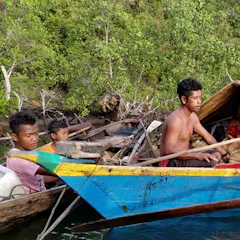
Traditional ecological knowledge of Indigenous peoples offers ways to adapt to climate impacts.
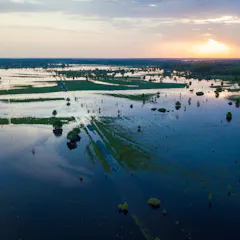
It is not the case that all extreme weather events are being made stronger or more frequent.
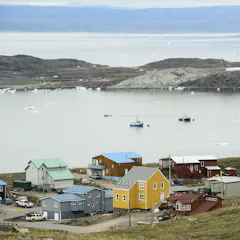
New research finds that chlorofluorocarbons (CFCs) and other ozone-depleting substances have boosted the effects of climate change in the Arctic.

For decades Australian scientists have, clearly and respectfully, warned about the risks to Australia of a rapidly heating climate. After this season’s fires, perhaps it’s time to listen.
Top contributors
-

Honorary Associate Professor of Climate Science, The University of Melbourne
-
Host + Producer, The Conversation
-
ARC Future Fellow and Associate Professor in Climate Science, ARC Centre of Excellence for 21st Century Weather, The University of Melbourne
-
Deputy Director, Engagement and Impact, The ARC Centre of Excellence for the Weather of the 21st Century, Australian National University
-
Senior Research Fellow, Melbourne School of Psychological Sciences, The University of Melbourne
-
Senior Research Associate in Meteorology, University of Bristol
-
ARC DECRA Fellow, UNSW
-
Director, ARC Centre of Excellence for the Weather of the 21st Century, Monash University
-
Professor of Earth System Science, UCL
-
Associate Professor, ARC Centre of Excellence for Weather of the 21st Century, Monash University
-
Professor emeritus, The University of Melbourne
-
Professor of Atmospheric Sciences, Climate Change Research Centre, UNSW
-
Pro Vice-Chancellor of Research, University of Technology Sydney
-
Chair Professor, Climate Change Research Centre, UNSW
-
Professor of Physical Climate Change; Director of the Priestley Centre for Climate Futures, University of Leeds