
Gates recently called for a ‘strategic pivot’ in climate strategy. That appears to have hit a nerve.
Articles on Climate science
Displaying 41 - 60 of 327 articles
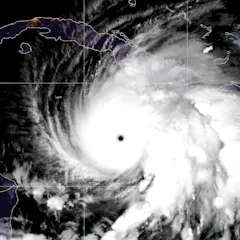
In a single day, Melissa exploded from a moderate storm into a major hurricane with 170mph winds.
The US is set to shut down a crucial satellite that monitors how much carbon is in the atmosphere.
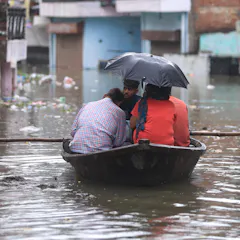
Wilder, not wetter: climate change means extreme downpours are becoming far more common.
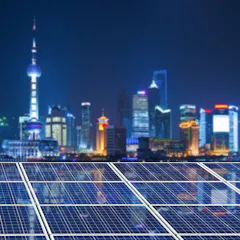
Beijing has a track record of only promising what it plans to deliver. But too often the world’s attention is elsewhere.
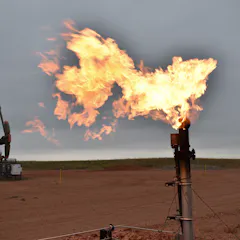
Even fossil fuel companies have found that clean energy can reduce costs.
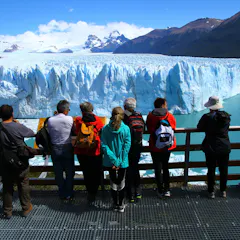
One of Patagonia’s few stable glaciers is now on the verge of collapse – new study.
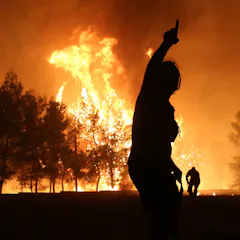
Fire-scorched land is less able to handle climate-driven downpours.
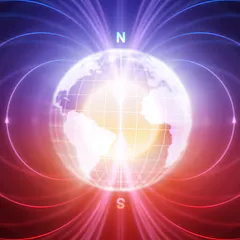
Ecosystems can behave surprisingly like magnets, say scientists.
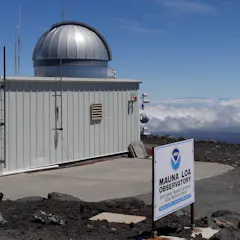
Cutting data climate collection – as the Trump administration is now trying to do – is like breaking a thermometer to avoid knowing you’ve got a fever.
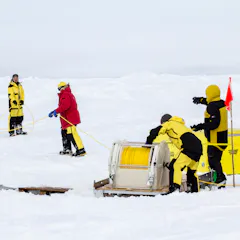
New research shows climate scientists are less trusted than other types of scientists. But there are big differences between countries and specific groups of people.
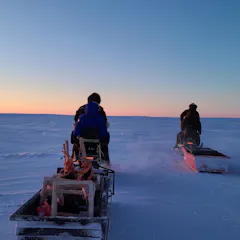
Scientists are pumping seawater onto existing ice to make it thicker and more resilient.

Satellites can now track the deep ocean currents around Antarctica that could accelerate climate change.
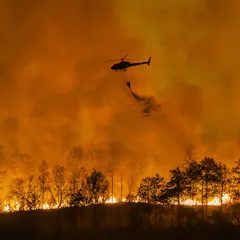
Withdrawing support for research and scrubbing climate data from US government websites has repercussions for Australia and the world. But there are ways around it.

Science doesn’t occur in a vacuum – politics, harassment and intimidation can hamstring progress.
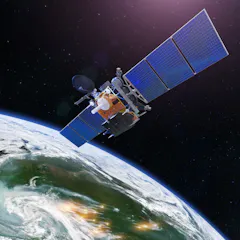
From space, scientists can track everything from sea levels or greenhouse gases to infectious bacteria or water stored underground.

Several groups are working to preserve webpages, tools and data – some of which have already gone missing from government webpages since the start of the Trump administration.
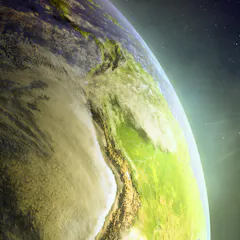
Human-driven ocean warming is increasingly overwhelming El Niño, La Niña, and other natural climate patterns.
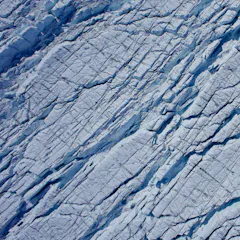
We analysed 8,000 maps and found crevasses are increasing in size and depth.
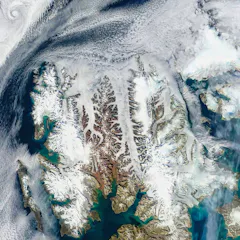
Scientists have tracked decades of glacier retreat in the fast-warming Arctic islands of Svalbard.
Top contributors
-

Honorary Associate Professor of Climate Science, The University of Melbourne
-
Host + Producer, The Conversation
-
ARC Future Fellow and Associate Professor in Climate Science, ARC Centre of Excellence for 21st Century Weather, The University of Melbourne
-
Deputy Director, Engagement and Impact, The ARC Centre of Excellence for the Weather of the 21st Century, Australian National University
-
Senior Research Fellow, Melbourne School of Psychological Sciences, The University of Melbourne
-
Senior Research Associate in Meteorology, University of Bristol
-
ARC DECRA Fellow, UNSW
-
Director, ARC Centre of Excellence for the Weather of the 21st Century, Monash University
-
Professor of Earth System Science, UCL
-
Associate Professor, ARC Centre of Excellence for Weather of the 21st Century, Monash University
-
Professor emeritus, The University of Melbourne
-
Professor of Atmospheric Sciences, Climate Change Research Centre, UNSW
-
Pro Vice-Chancellor of Research, University of Technology Sydney
-
Chair Professor, Climate Change Research Centre, UNSW
-
Professor of Physical Climate Change; Director of the Priestley Centre for Climate Futures, University of Leeds