
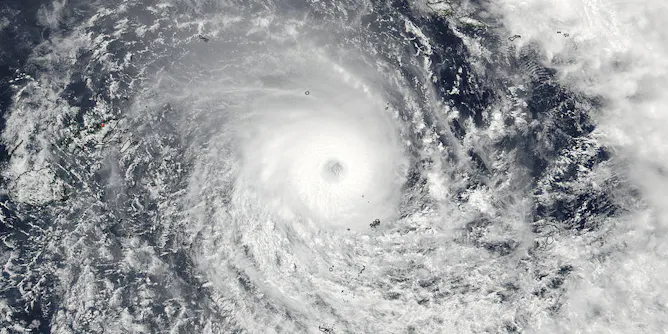
Cyclone Winston produced wind speeds of around 300 km per hour, making it one of the strongest storms to make landfall.
Articles on Climate science
Displaying 261 - 280 of 327 articles

Cuts to CSIRO climate jobs will see a reduction in effort on monitoring and measuring climate change, and an increase in efforts to do something about it. That’s the most politically-sensible option.
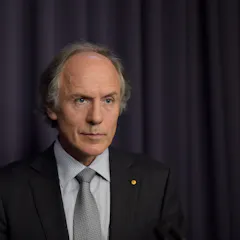
Chief scientist Alan Finkel comments on cuts to climate jobs at CSIRO.

Climate scientists are finding a disconnect between communities and climate science: people simply don’t trust the information they’re receiving.

CSIRO’s climate science has contributed a number of important, and unexpected, findings.

CSIRO is set to cut dozens of jobs from its climate research units, as part of a wider series of job losses to be formally announced today.
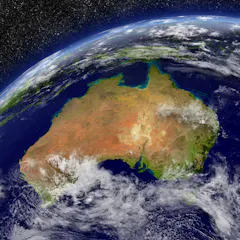
Former PM’s business advisor Maurice Newman recently claimed that satellite temperature data tell a different story to data collected on the ground. He’s right - but that’s how it’s meant to be.

Changes in ocean temperatures are driving unusual weather patterns across Europe.

After almost five years, Ian Chubb today ends his role Australia’s Chief Scientist. He’s seen some challenging times with changing leadership and ministers but he believes Australia is in a better place.

Scientists need to be comfortable dealing with subjective views, rather than empirical data, and people’s feelings to make progress in addressing climate change.

Things can change disturbingly quickly – just ask the people who once farmed the Sahara.
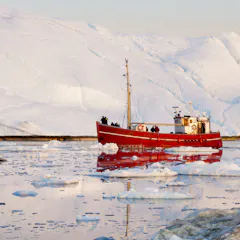
Since scientists are the real sceptics, they still argue a lot among themselves.
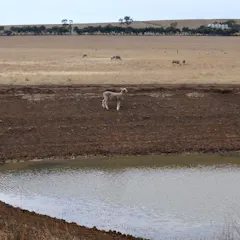
The Millennium Drought was bad, but the most detailed record of droughts since 1500 reveals there were far more severe super-droughts in the past.

The scientific case rests on six key observations.
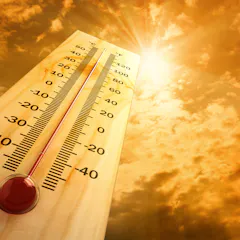
2015 will likely be the hottest year on record, according to a preliminary analysis released by the World Meteorological Organization.
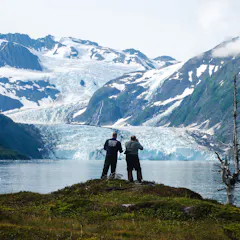
There’s no agreed definition, no agreed starting point – and no data to back it up.

Research shows how the the tobacco and fossil fuel industries used different tactics to undermine scientific consensus.

Until now, the legal system has tolerated corporate deceptions of the public but New York state’s investigation into Exxon on climate could start to rewrite the rules.

2014 saw heatwaves of all kinds and other wild weather. Research can now explain that climate change made these events much more likely.
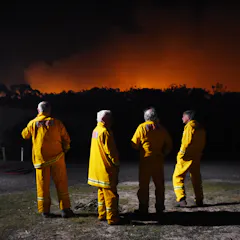
This has been Australia’s hottest October on record. And the record-breaking temperatures are at least six times more likely thanks to human-induced global warming.
Top contributors
-

Honorary Associate Professor of Climate Science, The University of Melbourne
-
Host + Producer, The Conversation
-
ARC Future Fellow and Associate Professor in Climate Science, ARC Centre of Excellence for 21st Century Weather, The University of Melbourne
-
Deputy Director, Engagement and Impact, The ARC Centre of Excellence for the Weather of the 21st Century, Australian National University
-
Senior Research Fellow, Melbourne School of Psychological Sciences, The University of Melbourne
-
Senior Research Associate in Meteorology, University of Bristol
-
ARC DECRA Fellow, UNSW
-
Director, ARC Centre of Excellence for the Weather of the 21st Century, Monash University
-
Professor of Earth System Science, UCL
-
Associate Professor, ARC Centre of Excellence for Weather of the 21st Century, Monash University
-
Professor emeritus, The University of Melbourne
-
Professor of Atmospheric Sciences, Climate Change Research Centre, UNSW
-
Pro Vice-Chancellor of Research, University of Technology Sydney
-
Chair Professor, Climate Change Research Centre, UNSW
-
Professor of Physical Climate Change; Director of the Priestley Centre for Climate Futures, University of Leeds