
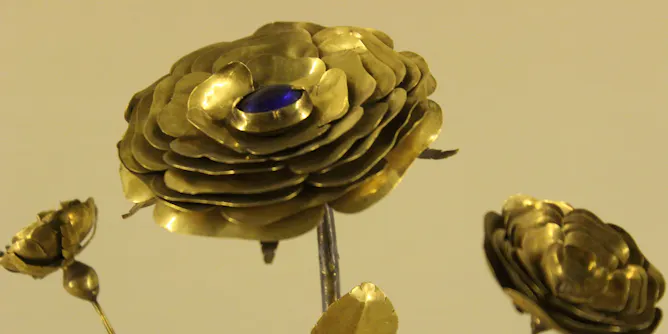
Popes have bestowed golden roses on warriors, rulers, women – and, increasingly in recent decades, shrines.
Articles on Christian history
Displaying 1 - 20 of 27 articles
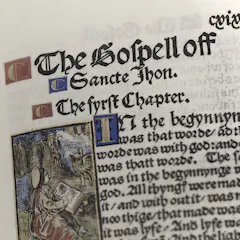
William Tyndale’s translation, published in 1526, was based on a then-radical idea: Anyone should be able to read the Bible in their own language.
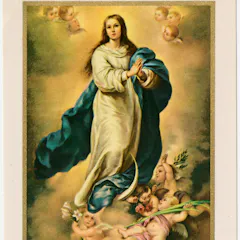
Mary, as the Immaculate Conception, became patroness of the United States before the Vatican officially defined that belief as dogma.
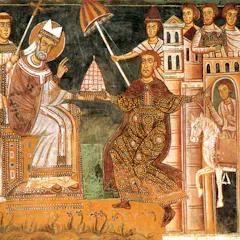
There has never been a singular Christian perspective on how religion, power and politics ought to relate to each other – not even in medieval ‘Christendom.’
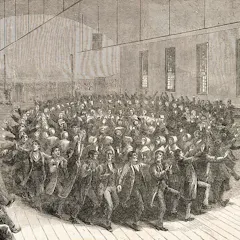
‘The Testament of Ann Lee,’ Mona Fastvold’s 2025 film, depicts part of the long history of Shaker worship.
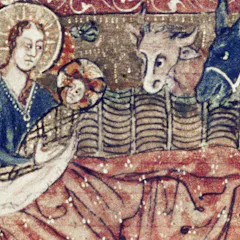
Legends about Jesus’ early years that circulated in medieval Europe often drew on apocryphal texts.
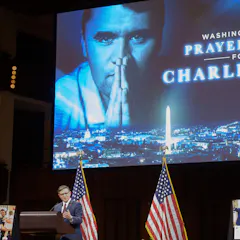
Some have even called Kirk a patron saint of MAGA. Stories of his status as a ‘martyr’ are uniting America’s Christian right.
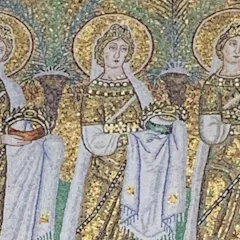
There are at least 34 documented stories of transgender saints’ lives, three of which had widespread popularity in medieval Europe.
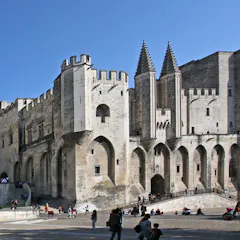
Women’s work may not have been glamorous, but it was vital to the workings of the pope’s court and surrounding city.
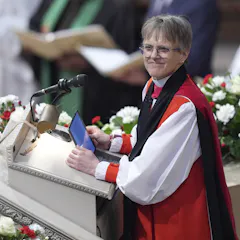
A scholar of medieval Christianity explores the history of Christians who spoke out, unafraid to risk official censure or even death.

Historians may not know much about Silvester’s life, but the era he lived in was pivotal for Christianity.

The conclave system may seem dramatic, but it was developed after centuries of outside interference and looting.
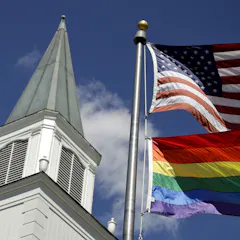
The United Methodist Church will hold its General Conference, delayed several years by the pandemic, in April 2024. The meeting comes amid a dramatic divide over LGBTQ+ rights.
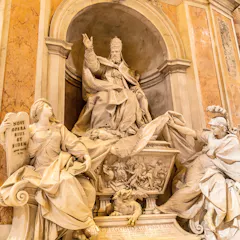
Pope Gregory XIII was patron of Rome’s renaissance, and a legal luminary whose influence transcends the ages.
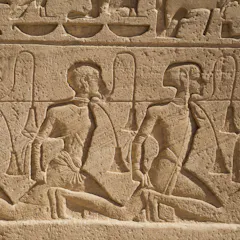
There was no one type of slavery in ‘biblical’ or ‘ancient’ societies, given how varied they were. But much of what historians know about slavery during those eras is horrific.
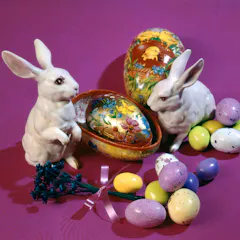
Like Halloween and Christmas, today’s Easter traditions are a blend of Christian and non-Christian influences.
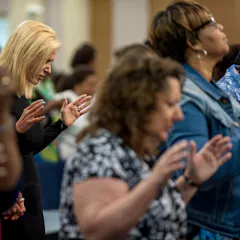
Pentecostals agree on the importance of the Holy Spirit – but not necessarily on what it empowers them to do.
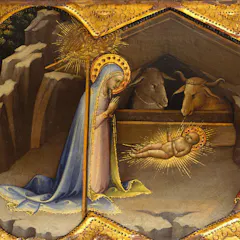
The idea of virgin birth has been part of Christianity since the start, but its significance has shifted over time.

Gratitude and praise are not only some of the most common themes in Christian music, but also some of the oldest.
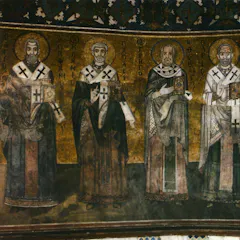
Catholics, Protestants and Eastern Orthodox Christians recognize the authority of the ‘fathers’ to guide teaching on doctrinal issues.
Top contributors
-

Professor Emerita of Medieval History, University of Rhode Island
-
Associate Professor of Religion, University of Illinois Urbana-Champaign
-
Professor of Archaeology and History, University of Reading
-
Professor of the History of Christianity, Boston University
-
Associate Professor of English, University of Tennessee
-
Postdoctoral Teaching Fellow, Princeton Theological Seminary
-
Assistant Professor of the New Testament, Vanguard University
-
Associate Professor of the History of Early Christianity, Southern Methodist University
-
Director and Curator of Special Collections and Archives, Hamilton College
-
Associate Professor of History, Colorado State University
-
Professor of Religious Studies, Michigan State University
-
Professor of Theater and Dance, University of Kansas
-
Professor of Anthropology, USC Dornsife College of Letters, Arts and Sciences
-
Lecturer in Religious Studies, The University of Texas at Austin
-
Professor of Religious Studies, College of the Holy Cross