
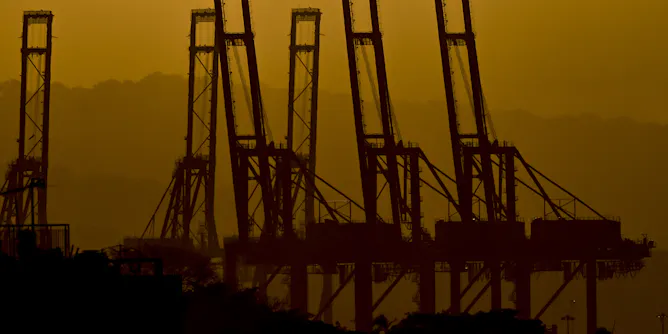
A review of 133 countries’ ports found a correlation between investment from China and proximity to chokepoints.
Articles on Chinese investment
Displaying 1 - 20 of 39 articles
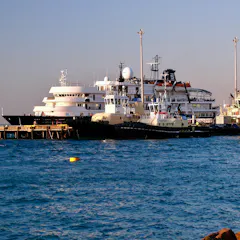
The biggest threat posed by the Chinese-owned Port of Darwin is not security-related but is the risk of the struggling owners becoming insolvent.
Taking advantage of Europe’s sovereign debt crisis, outside investors have acquired substantial stakes in what have long been regarded as “sovereign” assets that are critical for the EU’s energy strategy.

Contrary to popular belief, only a minority of Bordeaux vineyards bought by Chinese investors have had a negative outcome.
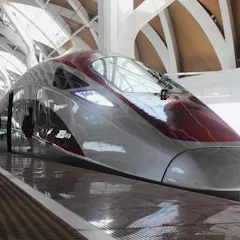
The shift in focus in the Belt and Road Initiative (BRI) will change how China does its business in Indonesia – that might mean less money for the latter’s ambitious infrastructure projects.
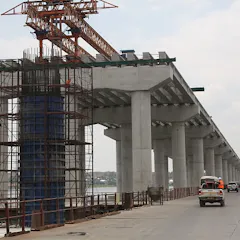
Areas such as artificial intelligence, green development, e-commerce, and tech cooperation have been added.

From restrictions on EU exports to China and Chinese exports to the EU to freezing key investments, there are many ways in which China could retaliate against the EU’s anti-dumping investigation.
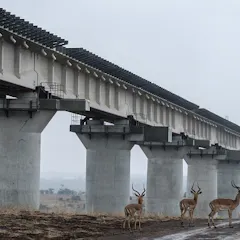
African governments have more influence on China-funded projects than mainstream narratives acknowledge.

PT Kereta Cepat Indonesia-China (KCIC) has not been seen to involve disability groups in the design, planning and development stages of the KCJB.

Many in the EU are wary of the motivations of Chinese companies investing in Europe. New research shows the many reasons behind these investments.
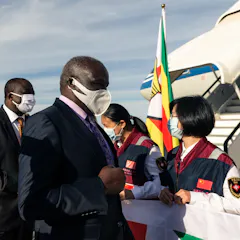
China is providing masks, vaccines, medical equipment and personnel to African countries ignored by the U.S. in recent years, positioning itself as an essential partner to the region.
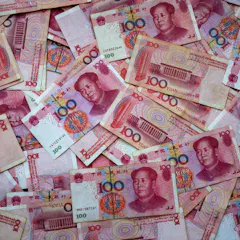
Chinese investment in Australia fell 36% in 2018. It is cause to reflect on the national interest in balancing political concerns with a strong economy.
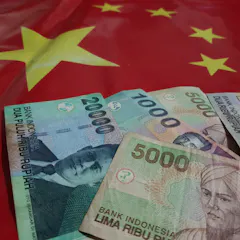
During the presidential election campaign, the issue of China has been politicised further. Lost in this debate are the real benefits Indonesia could gain from its Chinese partners.
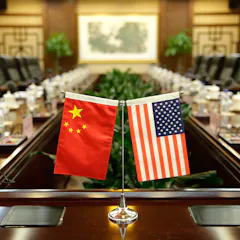
Chinese investment in the US has never been high, but the ongoing trade war could dampen it further, with significant long-term repercussions.
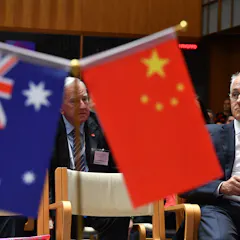
Chinese financing and know-how present both a threat and an opportunity for infrastructure development. Australia can benefit from proactively identifying needs that Chinese investment can help meet.
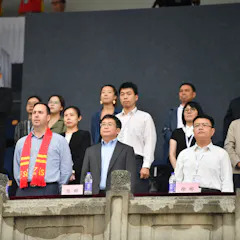
Interviews with Chinese executives confirm the political debate about China is creating feelings of being unwelcome and apprehensive about investing in Australia.
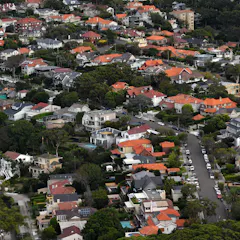
Foreign investment in Australian property has plummeted by more than half, signalling an apparent end to the China-fuelled real estate frenzy. Along the way we learned some useful lessons about boom and bust.
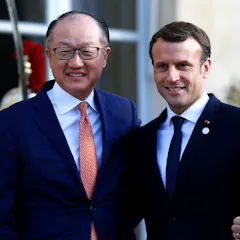
Its plan to stop lending money for oil and gas projects embraces the spirit of the Paris agreement at a time when the U.S. is going in a different direction.
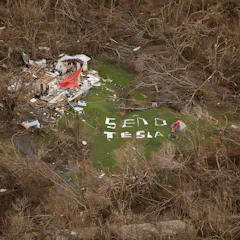
Tesla, China and Richard Branson are among those offering to help Caribbean nations rebuild – and do so in a greener, more resilient way – after the devastating 2017 hurricane season.

About 10% of empty dwellings on census night – 1.2% of all housing – were available for rental and vacancy rates have changed little in 35 years. Could governments be overreacting?
Top contributors
-

Lecturer, Business School, University of Sydney
-
Professor of Chinese Business and Management, University of Sydney
-
Director and Professor, Australia-China Relations Institute (UTS:ACRI), University of Technology Sydney
-
Professor of International Business, TBS Education
-
Professorial Fellow, University of Canberra
-
Honorary Professorial Fellow, Melbourne CSHE, The University of Melbourne
-
Professor of European Integration and International Business Management, University of Leeds
-
Assistant researcher, University of Sydney
-
Associate Professor in Strategic Studies, Macquarie University
-
Professor of Urban Planning, The University of Melbourne
-
Honorary Professor of International Relations, University of the Witwatersrand
-
Adjunct Associate Professor at the Centre for International Security Studies, University of Sydney
-
Professor of International Affairs and Asian Studies, Penn State
-
Head of Urbanism and Associate Professor of Urban Studies, School of Architecture, Design and Planning, University of Sydney
-
Associate Professor of Political Science and Policy Studies, Elon University