
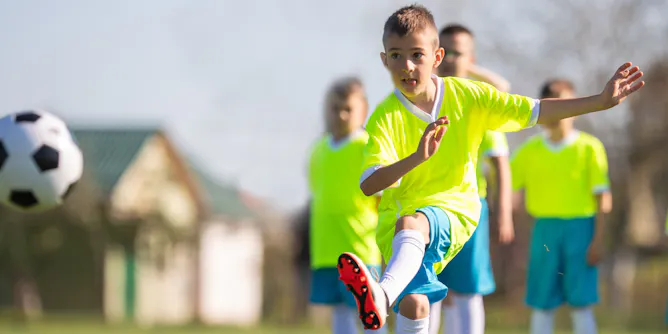
We want children to become physically competent, but we also want them to become confident decision makers, good communicators and effective collaborators.
Articles on Children's sports
Displaying all articles
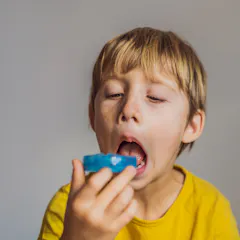
Yuck. Research shows poor mouthguard care can lead to bacterial buildup and potential health risks.
In skill acquisition, many coaches and athletes believe there is one optimal technique to copy. But this approach ignores a crucial reality.
There is an urgent need to shift sports administration to Health Canada, which should prioritize the health and well-being of all athletes, especially children.
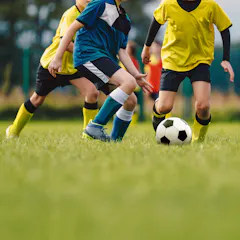
With the Paris Olympics and the 35th anniversary of the UN Convention of the Rights of the Child approaching, now is the ideal time to focus on protecting the rights of child athletes.
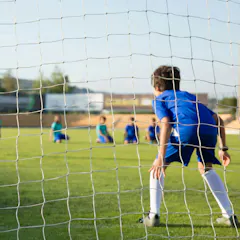
It’s hard not to shout guidance at kids’ sports games. But there are ways to do this without pressuring or criticising your child.
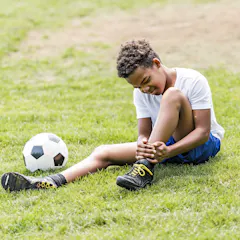
The rate of injury for single-sport adolescents is far higher than for other kids who play a variety of sports.
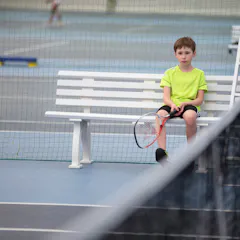
One longitudinal Australian study found children who drop out of sport between eight and ten years are at greater risk for social and emotional problems compared to those who continue in sport.
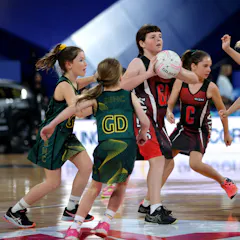
Yes, there is a risk of injuring yourself while playing netball but the overall risk of serious injury is relatively small – and far outweighed by the benefit of being active and part of a team.
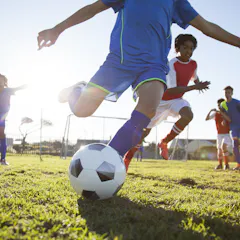
Policies to protect children in sport have been poorly understood by coaches and sports organisations. What can we do to ensure kids are safe but are also getting the most out of playing sport?
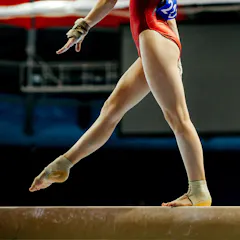
The review was designed to map the trauma experienced in the West Australia Institute of Sport program, examine potential policy failures and recommend ways to make the sport safer.
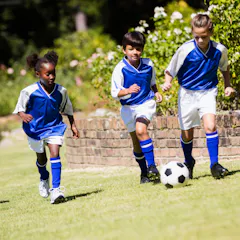
Parents in a study discussed barriers and opportunities in encouraging children’s physical movement during COVID-19 — from arguing about warm clothing for outdoor play to finding local hiking trails.
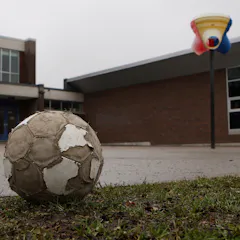
Problems include no fields, no courts for games, no playgrounds, no bike racks and no traffic-calming surrounding the school. Bringing in minimum standards is important.
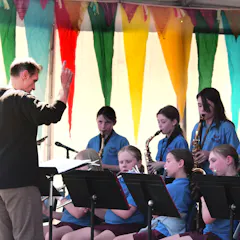
Extracurricular activities help children from low-income suburbs close the gap between them and their better-off peers. But subsidies for these activities are patchy and often limited to sport.
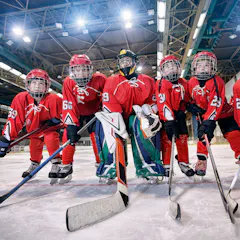
Organized sports can foster positive development in children. However, the competitive nature of youth hockey produces a pressure-to-win environment, where personal development is pushed to the side.
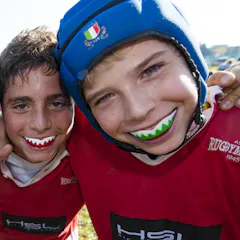
If you ask children, they enjoy sports because it’s fun, they are with their mates and may get a compliment from the coach. But research shows that adults’ ambitions increasingly drive kids’ sports.
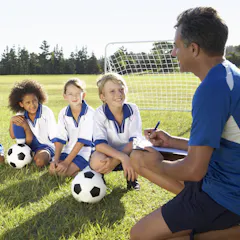
As Canada examines new measures to protect young athletes, an emphasis on rigorous police checks and educating would-be offenders is not the answer.
Top contributors
-

Associate Professor, Kinesiology and Applied Health, University of Winnipeg
-
PhD candidate, Queensland University of Technology
-
Honorary Research Fellow, The University of Western Australia
-
Professor, La Trobe University
-
PhD Student, School of Health and Rehabilitation Sciences, Western University
-
Professor and Director of the Child Health and Physical Activity Lab, Western University
-
Professor Emeritus of Sociology of Sport, University of Toronto
-
Postdoctoral Visitor, York University
-
Senior Research Fellow and Musculoskeletal Physiotherapist, La Trobe University
-
Research fellow, The University of Queensland
-
Associate Professor, Sport and Exercise Science, Auckland University of Technology
-
Associate Professor, Pediatric Orthopaedics and Sports Medicine, University of California, San Francisco
-
Research Fellow, La Trobe University
-
Senior Lecturer/Head of Course (Undergraduate Psychology), Research Fellow, Manna Institute, CQUniversity Australia
-
Lecturer, School of Education, RMIT University