
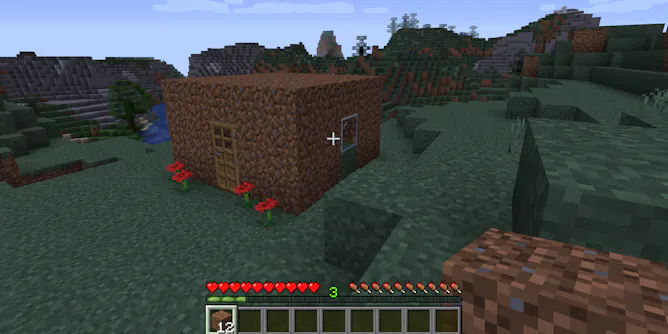
Findings from a Victorian coroner’s report remind us we still don’t fully understand how problematic gaming ties into other factors in a person’s life.
Articles on Children's mental health
Displaying 21 - 40 of 98 articles
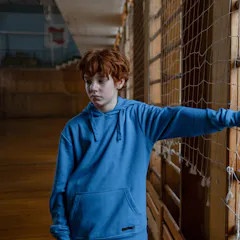
Anxiety symptoms vary from child to child, and by age. But there are some common signs to watch for.

There are opportunities for intervention in the education system to address gaps in psycho-social provision and support.
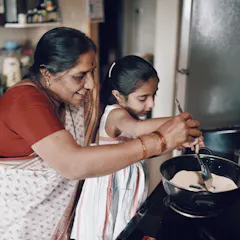
Models shows that some 4 million people in the US have lost a grandparent to COVID-19. But until now, there has been a dearth of research into the mental health effects of losing a grandparent.

Schools and teachers are reporting increased cases of ill-discipline and behavioural problems as a result of the challenges pupils experienced during the pandemic. Here’s what can be done.

Understanding the impact of the digital environment on children’s mental health requires a balanced consideration of not only the potential risks, but also the benefits of the online world.
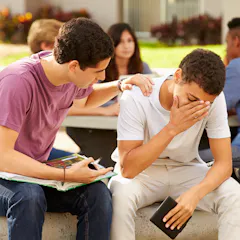
A rise in psychological distress among young Australians, compounded by COVID and difficulties in getting professional help, has added to the urgency of mental health education in schools.
It’s time for the UK government to rethink its strategy and focus on mental health.
Children don’t have to be in physical danger for disaster images to have a powerful psychological impact.

Too much time studying isn’t good for you or your grades. The challenge is to find the best balance of study, sleep and other activity to improve learning without compromising well-being.

Our study shows that for most young people, worrying about climate change appears to be constructive and not associated with general mental health difficulties.

The most important thing to avoid is intrusive, probing questioning straight away. The media and the public should also refrain from speculative, premature comment.
A widely reported study didn’t ring any alarm bells for children’s increasing screen time, but neither did it give heavy use of devices the all-clear.

By integrating parents and other family members in therapy, young people will have more consistent support between the therapist’s office and their home.

Attention control theory holds that heightened anxiety impairs the efficiency of mental processes. For instance, stressing about something can make us lose focus on the task at hand.
New data suggests that lots of time on screens may even improve peer relationships. But the study comes with caveats.

Research shows climate change is already affecting the healthy psychological development of children worldwide. Children’s mental health risks will only accelerate as climate change advances.

Self-harm is often a response to mounting stress and uncertainty. So it’s not surprising rates have gone up during the pandemic. Self-harm can be a means to cope and establish control over emotions.

Making the jump from year six to year seven can be stressful, which only adds to the anxiety children feel from the pandemic. Support from parents and teachers alike is vital

The COVID-19 pandemic and a growing global refugee crisis have shone a light on the ever-increasing need for new approaches to mental health treatment.
Top contributors
-

Associate Professor, School of Psychology, Deakin University
-
Associate Professor in Psychology, Deakin University
-
Tier 1 Canada Research Chair in School-Based Mental Health and Violence Prevention, L’Université d’Ottawa/University of Ottawa
-
Director, Center for Community Child Health Royal Children's Hospital; Professor, Department of Paediatrics, University of Melbourne; Theme Director Population Health, Murdoch Children's Research Institute
-
Associate professor, RMIT University
-
Associate Professor, School of Psychology, Scientist, Children's Hospital of Eastern Ontario Research Institute, L’Université d’Ottawa/University of Ottawa
-
Deputy Lead of Education Policy, Mitchell Institute, Victoria University
-
Senior lecturer, Monash University
-
Lecturer in Arts Education, Western Sydney University
-
Associate Professor of Sociology, Western University
-
Instructor, Division of Academic General Pediatrics, Mary Ann & J. Milburn Smith Child Health Research Program; Ann & Robert H. Lurie Children's Hospital of Chicago; Department of Pediatrics, Northwestern University Feinberg School of Medicine, Northwestern University
-
Associate Professor of Education, Charles Sturt University
-
Senior Lecturer in Education, School of Education,, Swansea University
-
PhD student, School and Applied Child Psychology, Western University
-
Senior Research Fellow, University of Hertfordshire