

From the Thirteen-Storey Treehouse to the Magic Faraway Tree, kids loves treehouses. These books tap into a rich tradition of mythology, which takes characters into forests to come to terms with life.
Articles on Children's literature
Displaying 61 - 80 of 110 articles
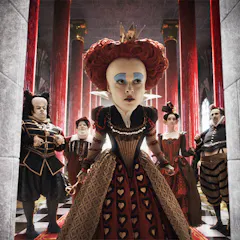
The history of children’s books gives us very few really villainous female characters – and most of them are witches or evil queens.

Stories that create connection, comfort and security aren’t just perfect holiday reading. They also provide inspiration - a vision of how life should be.
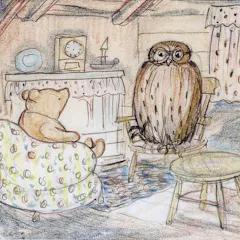
Milne and Shepard were a classic partnership of children’s literature.
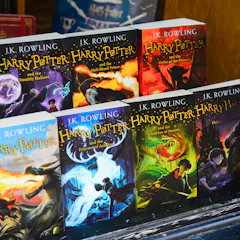
The twentieth anniversary celebrations of the highest-selling book series of all time are now coming to a close. 2017 has been a milestone year for Harry Potter fans in their twenties and thirties, who…
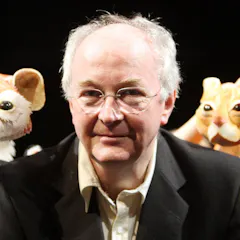
Both systems are dangerous in the wrong hands.
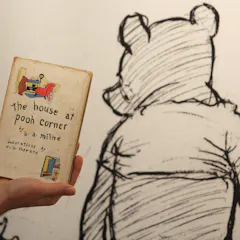
The bear of little brain has become a literary inspiration.

A new mentorship program uses fiction to teach children’s rights, and to help kids understand and prevent bullying.
For centuries, most children’s books reinforced messages that children are unimportant, incompetent and powerless. Children need to shape up and adopt adults’ values. Children must change to fit into an…
Death used to happen off the page in kids’ books, but not anymore. They kill each other in The Hunger Games, and 13 Reasons Why graphically describes the impact of teen suicide.
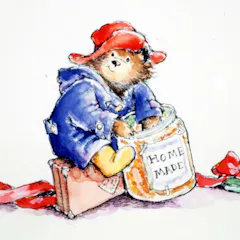
He brought insights into modern society as well as marmalade sandwiches when he travelled to London from Peru.

The lack of strong female characters in children’s picture books is oft-lamented. But a new crop of books invites girls to write themselves into history.

The Victorians had some interesting solutions to the problem of telling children where our stuff comes from.
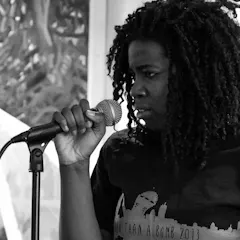
Poetry has been a part of teaching and learning for hundreds of years. But how has poetry education changed? And how are young voices using poetry to express themselves today?
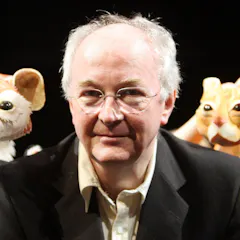
Given Pullman’s trenchant critique of despotism, his new trilogy will certainly be read allegorically.
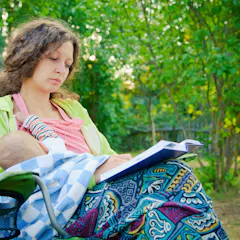
Breastfeeding is a cultural taboo in the UK, and the prevalence of bottles in children’s books doesn’t help.

One of the newest trends in education is teaching students how to develop grit. But what’s even meant by ‘grit’? And what if grit means something different for everyone?
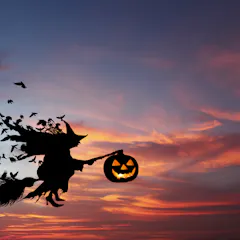
A recent survey suggests that a third of UK parents avoid reading their children scary stories. Is this a worrying trend?
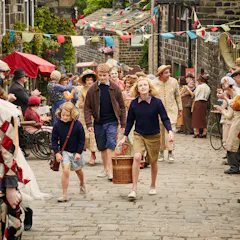
The film’s exchange of Titty for Tatty is very much in line with Victorian censorship of profanities for children.
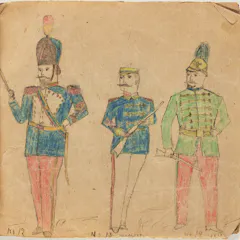
One historian is plumbing the oft-discarded works of kids – from shipwreck tales to diary entries – to augment our understanding of U.S. history.
Top contributors
-

Senior Lecturer in Humanities, University of Southern Queensland
-
Associate Professor in Literary Studies, Monash University
-
Professor of Reading and Children’s Development, The Open University
-
Assistant Professor, University of The Fraser Valley
-
Lecturer in English Literature, Binghamton University, State University of New York
-
Professor of Youth Literature and Culture, University of Glasgow
-
Senior Lecturer in English Literature, De Montfort University
-
Senior Lecturer in Children's and Adolescent Literature, Queensland University of Technology
-
Professor of Writing and Liberal Arts, Savannah College of Art and Design
-
Associate professor, Deakin University
-
Senior Lecturer in the School of Communication & Creative Arts, Deakin University
-
Deakin University
-
Professor of Children's Literature & Childhood Culture, Queen Mary University of London
-
Senior Lecturer in Early Childhood Studies, University of East London
-
Research associate, University of York