
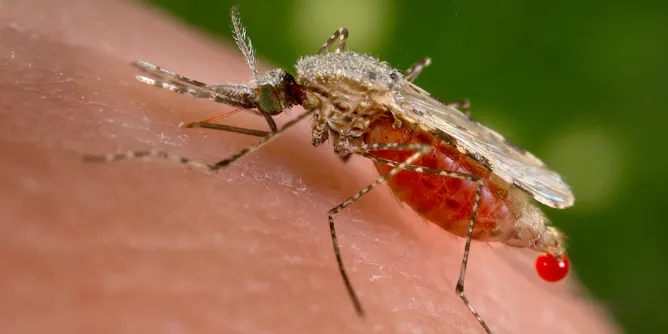
After decades of stalled progress, new vaccines, treatments and genetic tools are helping scientists protect children and save lives worldwide.
Articles on Children's health
Displaying 21 - 40 of 244 articles

Our reaction can teach a child how to read their body signals and whether feelings are safe to feel.
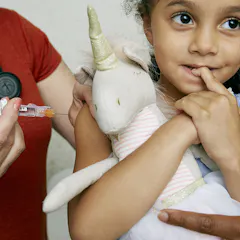
Doctor’s visits are already rushed. Adding extra steps means some children, especially those from low-income families, simply won’t get the vaccines they should.
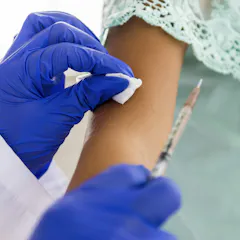
In an unprecedented move, health officials cut the number of vaccines routinely recommended for children from 17 to 11.
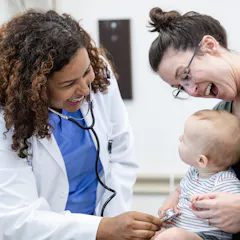
Federal officials are questioning the safety of the vaccine series children receive. Here’s the story of how the childhood vaccine schedule came about.

A new survey shows parents and carers have strong ideas about how a program for kids with disability could be designed.
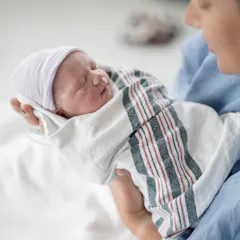
The decision undoes a highly effective 34-year prevention strategy that has nearly eliminated early childhood hepatitis B infections in the U.S.
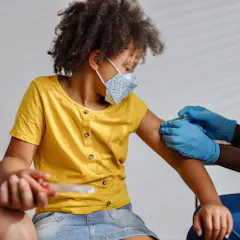
The agency’s plan to change the well-established process for safety testing vaccines is not realistic.
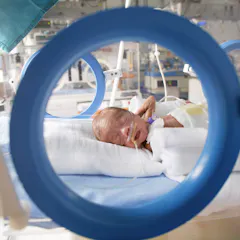
Rates of preterm births, maternal deaths and other adverse birth outcomes are abysmal across the US, but there are clear strategies that could help the nation reverse course.

Free food may fill your stomach, but it doesn’t always satisfy the desire to feel fully human.
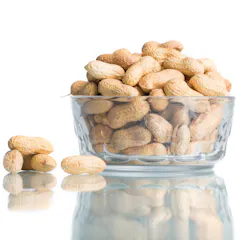
Introducing potentially allergic foods early on may actually help reduce the risk of developing a life-changing allergy.
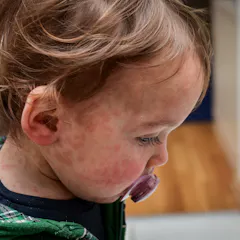
Decreased vaccination rates have led to measles outbreaks in Canada and other countries.

When states prohibit parents from opting their kids out of vaccines for religious, philosophical or other nonmedical reasons, communities stay better protected against infectious diseases.
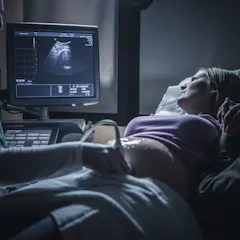
Fever during pregnancy presents real dangers to both the mother and the fetus – an OB-GYN explains the critical role of acetaminophen in preventing serious outcomes.

The main comparisons in the unpublished report are skewed, and it is being presented as stronger evidence than its design really allows.

A new survey shows children’s chronic pain is often dismissed as anxiety or attention-seeking.
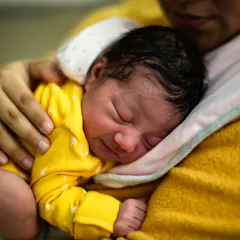
Before universal vaccination for hepatitis B began in 1991, 18,000 children contracted the virus by age 10 each year, and most of them developed chronic illness and liver damage. Vaccination reduced those infections by 95%.

This vaccine replaces previously listed pneumococcal shots, having been updated to offer better protection against the disease.
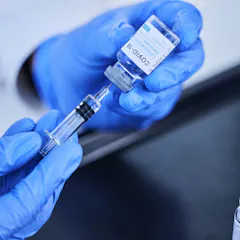
Healthy children may now only receive a COVID-19 vaccine ‘off-label’ – but in many states, pharmacists and other non-physicians may not be able to administer them that way.

By blaming chronic disease and disability on food and toxins, and ‘just asking questions’ about widely accepted science, MAHA discounts the government’s responsibility for meeting disabled peoples’ needs.
Top contributors
-

Paediatrician, Infectious Diseases Physician and Clinical Microbiologist, The Kids Research Institute Australia, The University of Western Australia
-
Assistant Professor of Pediatrics, University of Colorado Anschutz
-
Clinical Associate Professor of Infectious Diseases, Stanford University
-
Team Lead, Healthy Skin and Acute Rheumatic Fever Prevention, The Kids Research Institute Australia
-
Endowed Professor of Health Policy and Associate Dean, George Washington University
-
Professor of Earth Sciences and Executive Director, Environmental Resilience Institute, Indiana University
-
Associate Professor of Education, Charles Sturt University
-
Senior Lecturer in Education, Queensland University of Technology
-
Professor of Paediatrics and Child Health, University of Sydney
-
Paediatrician & Infectious Diseases Physician; Senior Lecturer & NHMRC Fellow, Faculty of Medicine, University of Sydney
-
Associate Professor of Physiotherapy, University of Technology Sydney
-
Clinical Professor of Medicine, University of California, San Francisco
-
Paediatrician and Associate Professor, UNSW
-
Professor, School of Population Health, UNSW
-
Principal Fellow, Department of Paediatrics, The University of Melbourne