
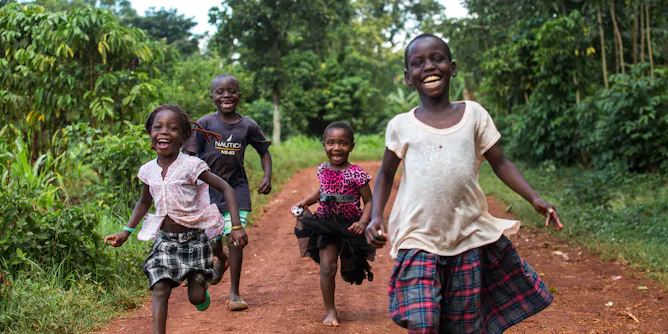
Africa contributes less than 1% of research worldwide on movement behaviours in children. This means that research on movement behaviours has largely excluded over 16% of the world’s population.
Articles on Child health
Displaying 101 - 120 of 359 articles

The health coverage program’s enrollment soared during the three years after March 2020 due to temporary policies adopted at the start of the COVID-19 pandemic.

Over the last two years, routine immunisation services and coverage of essential childhood vaccines have been disrupted.

Head lice are hard to get rid of and seem to come back again and again. Here’s what works.

Child development is always more complex than whether a baby is breastfed or not, as multiple factors affect our health.
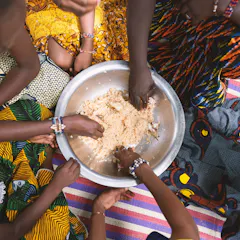
Using simple behavioural science models can help programmes to understand people’s lives and how to design nutrition interventions that directly benefit them.
Children aged under six years shouldn’t have cough syrup. It’s not only ineffective, it can be harmful.

Rahima Moosa Hospital caters for a very large number of women and children. The large patient numbers and high burden of care have a negative impact on the hospital.

Children with persistent or severe asthma symptoms need medicines to reduce airway inflammation. But a change last week means these medicines are harder to access.

Sleep is one of the most important things we do.
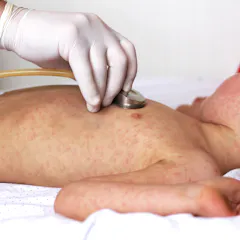
Measles is an extremely contagious disease but, thanks to immunisation, is now rare in Australia.

Expanding SNAP helped shield low-income children from some of the harm caused by economic upheaval when the COVID-19 pandemic began.
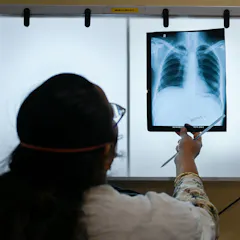
Less than half of the children aged 0-14 who have TB are diagnosed – so they never even start treatment.
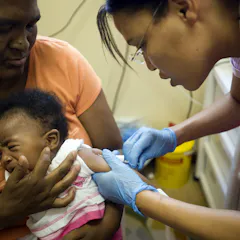
Progress in many areas of TB control stalled or reversed mainly because of the COVID-19 pandemic and the recent geo-political situations.

Catch-up vaccinations are free. These hints and tips will help you get started.

The danger from contaminated cough syrups is that early symptoms of poisoning, such as drowsiness, are sometimes observed in children without contamination.

Here’s why it’s taken so long to develop a vaccine for respiratory syncytial virus and what we can expect next.

There is every chance your situation can improve. And the earlier you start, the better the outcomes.

Encouraging your child to ‘eat a rainbow’ is backed by the evidence and can start more well-rounded and positive conversations with them about foods.

You don’t have to have a mental illness to get the benefits. Here’s how you can use what we’re learning from our research to boost your own mental health.
Top contributors
-

Professor, The Children's Hospital at Westmead Clinical School and Sydney Infectious Diseases Institute, University of Sydney
-
Professor of Paediatrics and vaccinologist, Royal Childrens Hospital, University of Melbourne and Murdoch Childrens Research Institute (MCRI); Associate Dean International, University of Melbourne, Murdoch Children's Research Institute
-
Laureate Professor in Nutrition and Dietetics, University of Newcastle
-
Clinical Trials Director, Department of Endocrinology, RPA Hospital, University of Sydney
-
Professor in Public Health Data Science, Swansea University
-
Research Officer at Medical School, Swansea University
-
Adjunct Professor, School of Nursing and Midwifery, Western Sydney University
-
Professor, Discipline of Paediatrics and Child Health, University of Sydney
-
Research Fellow, University of Sydney School of Public Health, University of Sydney
-
Professor of Community Health and Wellbeing, The University of Queensland
-
Professor of Pharmaceutical Chemistry, Macquarie University
-
Consultant in Paediatric Infectious Diseases and General Paediatrics, Murdoch Children's Research Institute
-
Professor of Child Public Health, Swansea University
-
Associate Professor, Child and Adolescent Health, University of Sydney
-
Lecturer, University of the Free State