
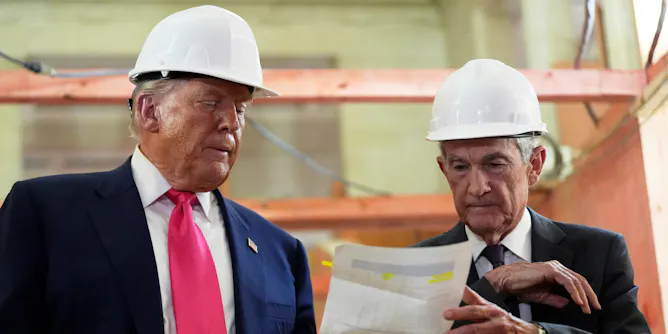
Politicians have long coveted control over monetary policy. Good economic governance requires that they don’t get it.
Articles on Central Bank independence
Displaying all articles

Though Trump clearly remains sceptical of central bank independence, his appointment of Warsh suggests he recognises the importance Fed credibility.
It’s unusual for central bank leaders to issue such a statement. But the reason is simple: what happens in the US matters worldwide.
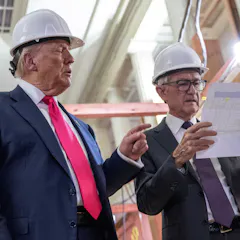
The investigation follows Fed Chair Jerome Powell’s refusal to toe the White House’s line over interest rate cuts.

The stagflation crisis of the 1970s stands as a clear warning of what might happen if the Fed’s independence is compromised.
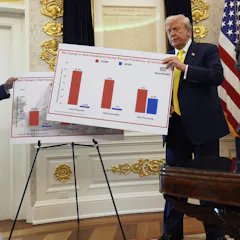
The push to slash rates, despite what Trump considers a ‘hot’ economy, underscores why it’s important the Fed relies on data – and not the wishes of politicians – when making decisions about monetary policy.
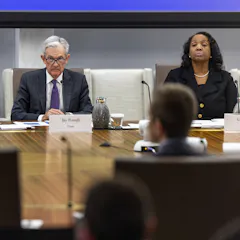
Political economist Cristina Bodea talks to The Conversation Weekly podcast about how central bank independence became the global norm for economic governance.
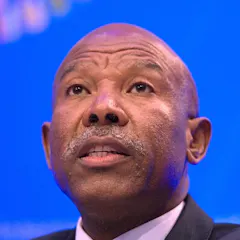
Central banking was given to technocrats whose job is to make the difficult decisions. But there are parameters. And within these, central bankers must act independently, without fear or favour.
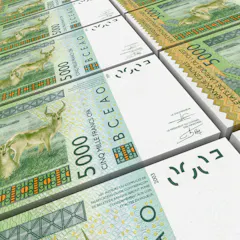
The decision by eight Francophone states to delink their common currency from France won’t be without challenges.
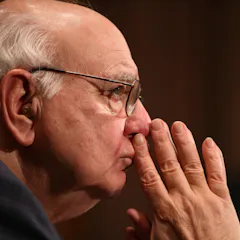
Volcker’s legacy involves more than fighting inflation – he showed why central banks need to remain free of meddling from politicians, including the president.
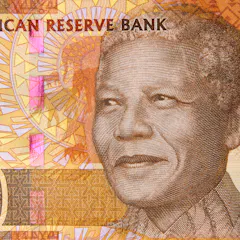
Central banks are expected to act without fear or favour. But to deal with climate change, they may have to encourage financial institutions to favour certain types of activities over others.
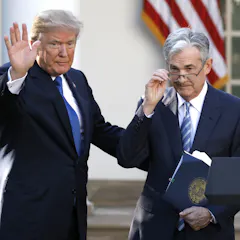
President Trump has discussed firing Fed Chair Jerome Powell over the central bank’s interest rate policies. Research shows this kind of political meddling is usually bad for the economy.
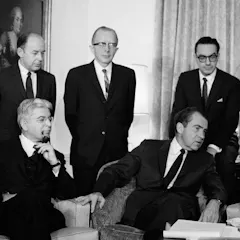
President Trump has been attacking the Federal Reserve for months and appears intent on nominating political allies to its board. An economist explain what typically happens next.
Top contributors
-

Professor of Political Science, Michigan State University
-
Lecturer in Politics, Department of Government and International Relations, University of Sydney
-
Professor of International Economic Affairs at The Fletcher School, Tufts University
-
Professor of Law, University of East London
-
Senior lecturer, Canberra School of Government, University of Canberra
-
Host, The Conversation Weekly Podcast, The Conversation
-
Associate Professor of Economics, Babson College
-
Professor: International Business & Strategy, Wits Business School, University of the Witwatersrand
-
Professor or Political Science, Department of Government, University of Essex
-
Professor/Senior Research Fellow, Centre for Advancement of Scholarship, University of Pretoria
-
Professor, McCourt School of Public Policy, Georgetown University