
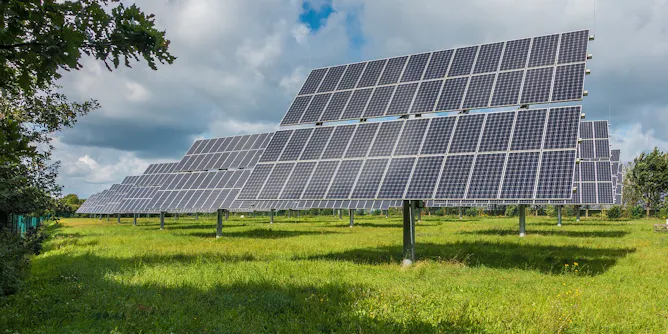
Africa is rapidly expanding electricity generation, but new research shows energy planning must also account for water scarcity and carbon dioxide emissions.
Articles on Carbon dioxide emissions
Displaying 1 - 20 of 22 articles

Cutting carbon dioxide emissions to zero by 2050 will reduce global warming, but climate modelling shows that some regions may still experience extreme heat.
In the battle to slow climate change, local and state governments, as well as citizens, have taken to the courts. Their results have varied, but the cases keep coming.
Ever wondered how the Australian passenger car fleet compares with the European fleet and what this means for the future? New research examined the differences in detail and how it might change.
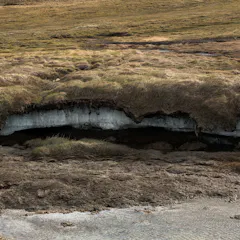
We wanted to find out how much carbon and nitrogen is being released from the northern permafrost. Here’s the region’s first full greenhouse gas budget covering CO₂, methane, and nitrous oxide.
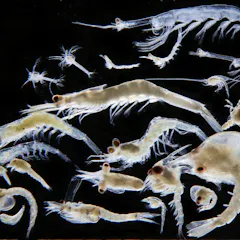
Marine life known as zooplankton might be the biggest problem with getting carbon cycling right in climate models. The potential variations in carbon uptake are greater than global transport emissions.
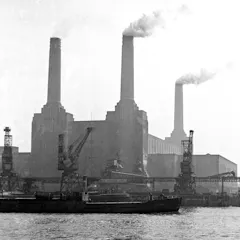
In May 1953, scientist Gilbert Plass made some extraordinarily prescient comments.

All those Cinderella stories, buzzer-beating finishes and wild cheering sections have a high price tag – for the climate.
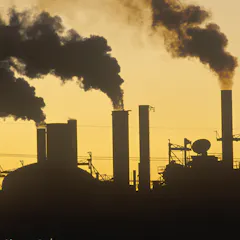
A review of S&P 500 companies finds carbon disclosure doesn’t necessarily mean emissions fall.
While carbon dioxide removal from the air is not a replacement for emissions reductions, it can supplement these efforts. Experts are continually researching the best ways to do this.

Carbon capture technologies have been labelled as a distraction. But as we enter the all-hands-on-deck phase of tackling climate change, they must not be ignored.
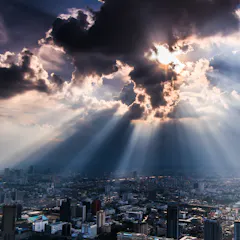
Solar geoengineering could theoretically cool the Earth to slow global warming, and it has been controversial. Still, countries should research its risks and benefits.
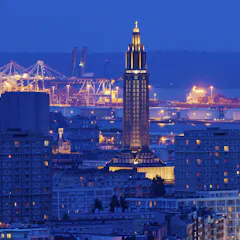
Carbon emissions from maritime shipping and port activities are on the rise. But city ports are finding ways to reduce their carbon footprints and reconnect with nearby cities.
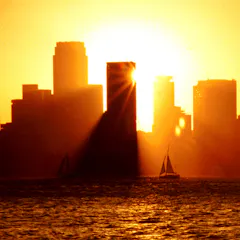
A changing climate means parts of Australia will get hotter, some drier, others wetter and we can expect more extreme fire days.
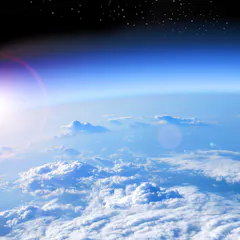
Despite this year’s coronavirus lockdowns, more CO2 has accumulated in the atmosphere than during the same period in 2017 or 2018.

Earth’s has gone through major climate changes in the past. They happened on time scales of millions of years and triggered mass extinctions. Our emissions are changing the climate much faster.

Households generate a large share of national greenhouse gas emissions and can take steps to reduce them.
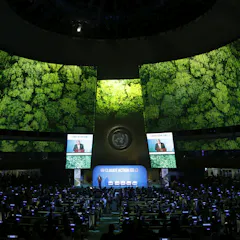
President Trump has confirmed that the US will leave the Paris Agreement on climate change on the earliest allowable date: Nov. 4, 2020. Will this hobble efforts to slow global warming?
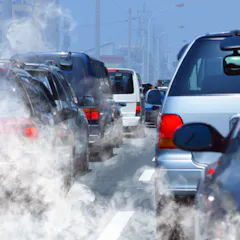
This shocking figure comes from our back-of-the-envelope calculations looking at the effect of forcing more efficient engines on the Australian market.
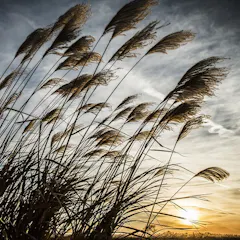
In the eastern reaches of Siberia, scientists discovered plants with exceptional cold tolerance that could be the key to sustainable bioenergy production.
Top contributors
-

Professor of Physical Geography (Climate Science), Te Herenga Waka — Victoria University of Wellington
-
Adjunct Professor of Transport, University of Technology Sydney
-
Research Group Leader, CSIRO
-
Senior Climatologist, Australian Bureau of Meteorology
-
PhD Student, Global Governance program at the Balsillie School for International Affairs, University of Waterloo
-
Principal Research Scientist, Environment, CSIRO
-
ARC DECRA Fellow/Senior Lecturer, IMAS, University of Tasmania
-
Professor, Canada Research Chair in Determinants of Child Development, Owerko Centre at the Alberta Children’s Hospital Research Institute, University of Calgary
-
Professor & Director, Net Zero Institute, University of Sydney
-
Associate Professor of Economics and Public Policy, Arizona State University
-
Associate Professor in the Frederick S Pardee School of Global Studies, Boston University
-
Senior Research Scientist, CSIRO
-
Associate Professor in Environmental Engineering, University of Technology Sydney
-
PhD Student, University of Sydney
-
Professor in Chemical Engineering, University of British Columbia