
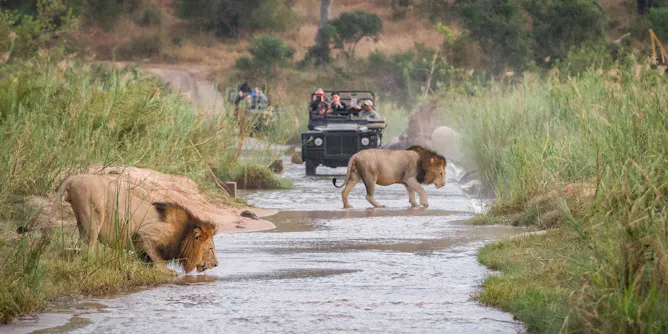
Lion protection fees paid by tourists could pave the way for a responsible transition away from trophy hunting without affecting the communities that rely on hunting revenue.
Articles on Canned hunting
Displaying all articles

Captive breeding takes place in South Africa and no other country is permitted to export lion bones.
The Cecil movement didn’t lead to any deep-seated changes as trophy hunting persists in many parts of Africa.
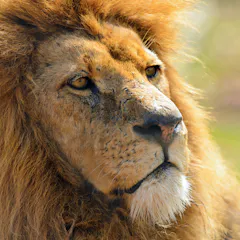
A stronger ban on lion trade by CITES would have helped to lessen some of the threats lions face but it would have not have protected the animals from sport hunting.
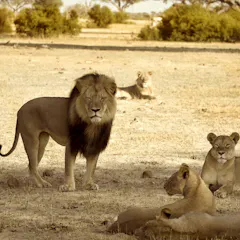
New research from Zambia’s Luangwa Valley identifies reforms needed for lion trophy hunting.
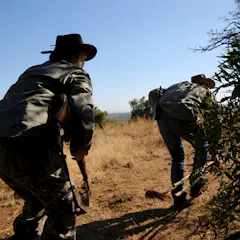
Botswanan communities, hunting operators and game farmers reacted badly to the country’s hunting ban. This is because it generates income, particularly in poor rural areas.
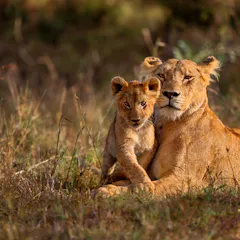
The film ‘Blood Lions’ is contributing to the debate over canned hunting by delving into a sensationalised yet comprehensive true story.
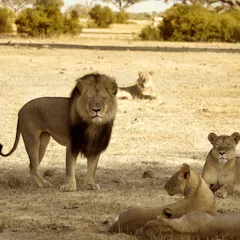
Now that Cecil the Lion is gone, what lessons can be taken from the controversial manner of his death?
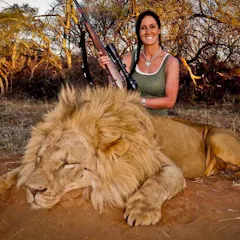
Hunting is a major source of controversy on the African continent. Many nations have strict laws against hunting while others see it as an opportunity to make money.
Top contributors
-

Research and Training Manager, Wildlife &Ecological Investments, Tshwane University of Technology
-
Professor of Conservation Biology & Ecology, Montana State University
-
Lecturer, University of Leeds
-
Lecturer, University of Queensland, The University of Queensland
-
Professor of Tourism Management and Economics, North-West University
-
Research Associate, Department of International Relations, University of the Witwatersrand; Chief Research Officer, Good Governance Africa; Managing Director, Harvey Economics Pty Ltd.
-
Senior research associate, University of KwaZulu-Natal
-
Visiting Research Fellow, Manchester Metropolitan University
-
Senior Lecturer, University of Pretoria
-
Emeritus Research Professor of African Ecology, University of the Witwatersrand
-
Visiting Research Fellow, Manchester Metropolitan University