
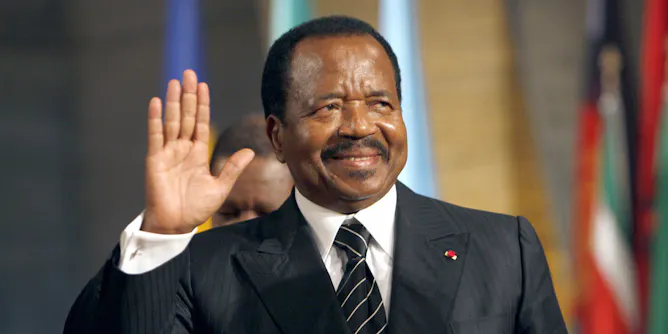
Cameroon’s leadership has a history of rebuffing outside intervention in the country’s internal affairs. This has hampered efforts to resolve the anglophone crisis.
Articles on Cameroon Anglophone crisis
Displaying all articles

What will happen to Cameroon after President Paul Biya, who has been in power since 1982?

Chinese funded projects favour the francophone region of Cameroon.
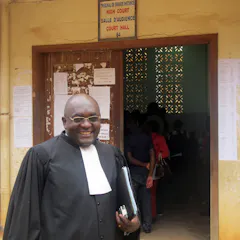
The common law and civil law systems are quite distinct in legal practices, principles and procedures. How government manages the difference has implications for the Cameroon Anglophone crisis.
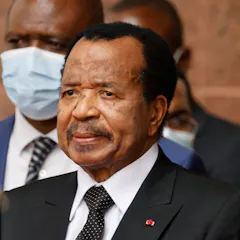
After 40 years in office, Cameroon’s 89 year old Paul Biya is the second longest serving leader in Africa. He is already eyeing another contest in 2025.

Cameroon’s Anglophone crisis could escalate into a complex disaster emergency with dire environmental consequences.

As is the case in other conflict and war situations, it was difficult to collect public data. So we examined tweets to understand what topics were being discussed.
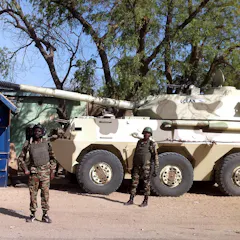
Cameroon’s anglophone crisis is not simply a dispute between two feuding groups: a range of international actors have been architects of the current situation.
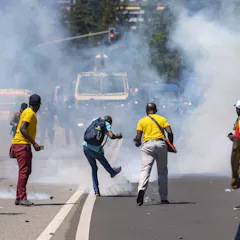
What Cameroon needs is a properly mediated process signing all the parties to a pre-agreed agenda
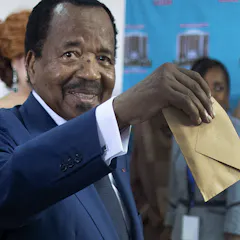
Cameroon’s Anglophone crisis must be addressed by the president within the first hundred days.
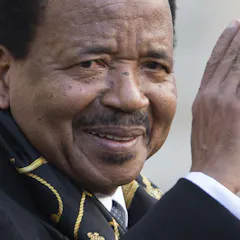
Cameroon is facing daunting challenges and the president and his team must mobilise the country to find solutions.
Top contributors
-

Professor of History, University of Dayton
-
Associate Professor of International Studies, University of Nottingham
-
British Academy Postdoctoral Research Fellow in Criminology and a JRF in Law, University of Oxford
-
Reader in Law, SOAS, University of London
-
Disaster Management Scholar, Researcher and Educator, Bournemouth University
-
Postdoctoral Researcher, University of Oxford
-
PhD candidate in Political Studies at the Department of Politics and International Relations, University of Johannesburg
-
Research Student, University of Toronto
-
Adjunct Lecturer, University of Toronto
-
Assistant Professor, International Studies, Xi'an Jiaotong-Liverpool University
-
Adjunct Professor, University of Toronto
-
Executive director, Africa Institute of South Africa, Human Sciences Research Council