

Although they remain untested as a treatment, this suggests these drugs could be used as a therapeutic against the coronavirus.
Articles on Blood pressure
Displaying 41 - 60 of 88 articles

Reducing maternal deaths in developing countries relies on the ability of health systems to swiftly identify and manage women at high risk.

A molecule responsible for lowering our blood pressure also helps coronavirus get into our cells and replicate. And it occurs more in men than in women.
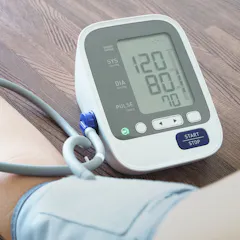
Measure your blood pressure at home, check in with your GP, and keep an eye on your diet and exercise.
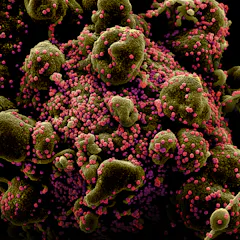
The new coronavirus, SARS-CoV-2, spreads faster than the H1N1 influenza virus and is much deadlier. SARS-CoV-2 is particularly skilled at keeping cells from calling out for help.

For most medicines, it doesn’t matter when you take them. But others work best at particular times.
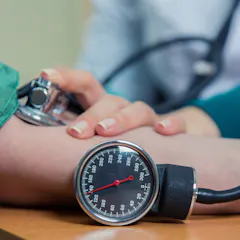
Researchers are looking for ways to determine who’s most at risk for dementia and also ways to detect it early. A scientist who has studied low blood pressure makes a case for a link between the two.

Societal pressures make it hard for people living in low-income areas to change their ways.

Most of the time, different parts of your nervous system work in balance. But sometimes things can get out of whack – and that’s when you might end up experiencing what medics call syncope.

With advancements in technology, libraries are offering much more than something to read. A library researcher offers a sampling of some unexpected items that library patrons can check out these days.

Sitting has been maligned in recent years for its role in obesity and diabetes. Now, a recent study in older women suggests that sedentary behavior may also increase heart disease risk.

Researchers have successfully used ‘epidural spinal cord stimulation’ with patients to improve bowel function, restore blood pressure control and increase upper-body exercise capacity.

Pre-eclampsia can be dangerous for expectant mothers, but there are ways to monitor and minimise the risks.

Your weight during your youth could have an effect on your heart for the rest of your life.

Wearing a tie that causes slight discomfort can reduce blood flow to the brain by 7.5%, but the reduction is unlikely to cause any physical symptoms, which generally begin at a reduction of 10%.
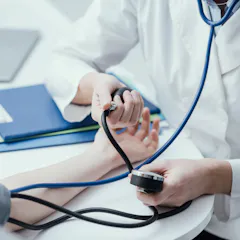
Previously, a person would be diagnosed with high blood pressure if their systolic reading was 140mmHg. But it’s recommended this threshold be lowered to 130mmHg, which will do more harm than good.

Reduced lead exposure has made us smarter and healthier. Could changes in regulatory agencies across North America endanger this?

Most men, women and children in Canada exceed the tolerable upper limits of salt for their bodies. Consumers need to understand how much salt is too much – to avoid hypertension and heart disease.

Four in five of us have a “biological” age older than our real age, which means we have at least one risk factor that is higher than the number set as “normal”.
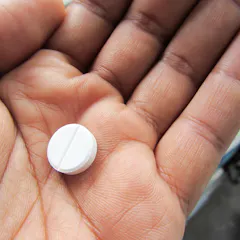
Commonly recommended sleeping tablets aren’t appropriate for plane travel. Here’s why.
Top contributors
-

Laureate Professor in Nutrition and Dietetics, University of Newcastle
-
Senior Research Fellow, Sydney School of Health Sciences, Faculty of Medicine and Health, University of Sydney
-
Postdoctoral Research Fellow, School of Health Sciences, University of Sydney
-
Director, Nephrology and Kidney Care Services, Melbourne Health
-
Cardiologist at Westmead Hospital; Director of the Westmead Applied Research Centre, University of Sydney
-
Professor, University of the Witwatersrand
-
Associate Professor of Health and Sport Science, University of Dayton
-
Brett Montgomery is a Friend of The Conversation.
Senior Lecturer in General Practice, The University of Western Australia
-
Professor of Pharmaceutical Chemistry, Macquarie University
-
Chairperson, Diabetes Alliance; Co-founder, Diabetes Research Centre, University of Pretoria
-
Professor of Medical Research and Deputy Director, Menzies Institute for Medical Research., University of Tasmania
-
Clinical Professorial Research Fellow, Australian Women and Girls' Health Research Centre, The University of Queensland
-
Associate professor, UNSW
-
Laboratory Head of Translational Cardiovascular and Renal Research Group, Florey Institute of Neuroscience and Mental Health
-
Professor of Medicine, Bond University