
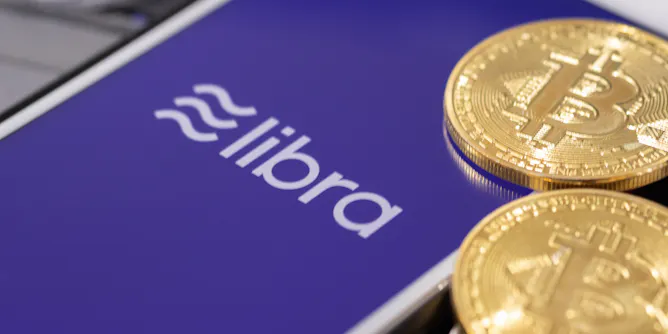
We go back to the basics and look at what Libra is, how it compares to other cryptocurrencies and whether you should be concerned about using it when it eventually arrives.
Articles on Blockchain
Displaying 101 - 120 of 212 articles
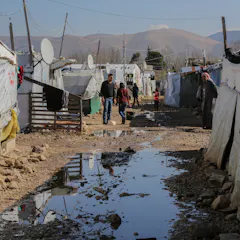
Syrian refugees in Lebanon know how best to manage their resources, but food aid currently prevents them.
Why the coming generation of cryptocurrencies could force us to rethink the entire monetary system.
Tech giants like Facebook are at risk of joining the ranks of Compuserve and MCI Mail to be replaced with the next generation of organizing designed for new models of distributed trust.

A project to protect producers from food fraud by verifying and promoting the provenance of the region’s beef exports to China turned out to be a source of creative work in the region as well.
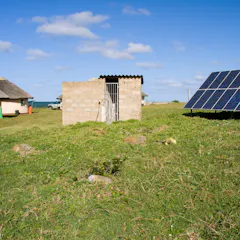
South Africa could become a test bed of technologies that enable households, especially in remote areas, to join electricity trading markets.
Blockchains and cryptocurrencies are being co-opted by the very system they were designed to overthrow.

Blockchain is a promising tool to fight modern slavery by making global supply chains more accountable. But there a few kinks to be worked out.

Globalization is making it harder to identify and trace outbreaks of foodborne illness. Technology can help, but consumers may also have to rethink their food choices.

A third generation of web technology could return the web to its original ideals – but do we really want it?

The blockchain is creating new opportunities for the electricity sector. The December 2018 Energy Market Barometers looks at where experts think the technology is heading.
Chinese users have started posting sensitive materials, like documents of sexual assault, on the blockchain. But the government has taken its own steps to crack down on this practice.
More democratic forms of politics, journalism and fact-checking will be needed when we can no longer trust any video footage.

Blockchain technology was supposed to make trust unnecessary – but that turns out not to be true. Most people will want laws and regulations to help make blockchain-based systems trustworthy.
Academics from different disciplines come Head to Head in this series to tackle topical debates.

Blockchain technologies can support users in controlling access to their data through smart contracts that both empower and protect users.

Food suppliers and sellers around the world are using blockchain technologies to ensure that what consumers buy is labeled clearly and accurately.
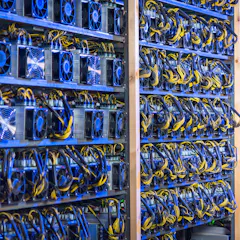
Bitcoin may have a large carbon footprint, but cleaner digital currencies aren’t going to prevent an environmental disaster.
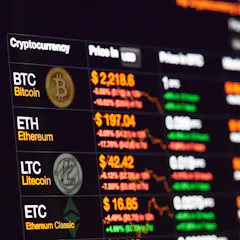
It’s not a scam. It also won’t make you fabulously wealthy. Initiative Q wants a stable private currency for payments processing rather than a vehicle for speculation.
Blockchain data is unchangeable, which is a problem when privacy laws require companies to delete data once it’s served its purpose.
Top contributors
-

Professor of Law, University of East London
-
Professor of Management, University of North Carolina – Greensboro
-
Visiting Fellow, Macquarie University Applied Finance Centre, Macquarie University
-
Associate Professor in Financial Technology, University of Liverpool
-
Professor of Economics, RMIT University
-
Assistant Professor - Geography and Development, Northumbria University, Newcastle
-
Professor of Computer Science, Jacobs Technion-Cornell Institute, Cornell Tech, and Co-Director, Initiative for CryptoCurrencies and Contracts (IC3), Cornell University
-
Director of the Centre for Digital Finance, Associate Professor in Finance, University of Southampton
-
Associate Director, Initiative For Cryptocurrencies and Contracts (IC3); Assistant Prof. of Electrical Engineering, Technion - Israel Institute of Technology
-
Senior Lecturer and Researcher in Innovation and Digital Leadership, University of Brighton
-
Professor of Finance & Financial Technology, University of Reading
-
Principal Research Fellow, RMIT University
-
Professor of AI and Public Policy, University of Salford
-
Professor of International Finance and Commodities, Trinity College Dublin
-
Associate professor, University of Exeter