
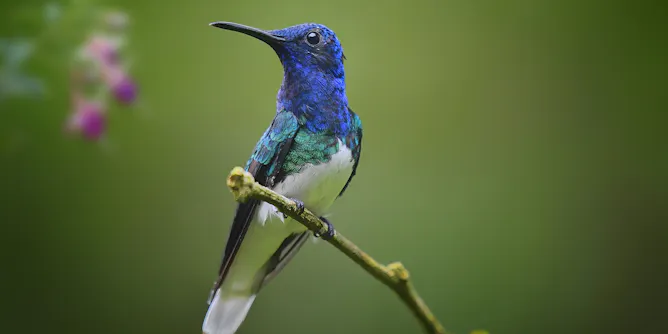
Scientists are discovering previously unknown species in unexpected places, according to a new study.
Articles on Biodiversity hotspot
Displaying all articles

The UN ‘30 by 30’ biodiversity strategy aims to set aside 30% of land as protected areas. New research shows these areas do support biodiversity, but big parks also increase it outside their borders.
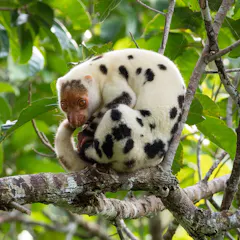
From the cuscus with the fancy coat, to the wallaby often sporting a single white glove, a wide variety of life evolved on island homes in the south-west Pacific.
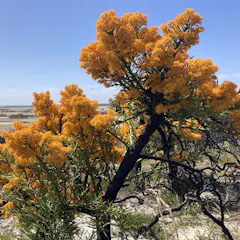
Mungee is a revered teacher to Noongar people with lessons for us all. This mighty mistletoe knows how to prosper in the hostile, infertile, but biologically rich landscapes of southwestern Australia.

To give native species their best chance of survival, we have to embrace ecosystem-based conservation – rather than trying to rescue individual species in isolation.

Clearing alien trees before the drought hit could have reduced the impact of climate change on water supply during the ‘Day Zero’ drought.
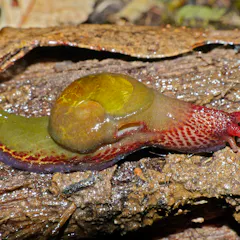
Scientists have been naming species after well-known people since the 18th century, often in a bid for publicity. But the issue deserves attention – 400,000 Australian species are yet to be described.
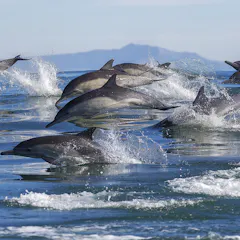
Marine mammals are often referred to as sentinels of the ocean and research on whales and dolphins in particular contributes important knowledge about the health of our seas.
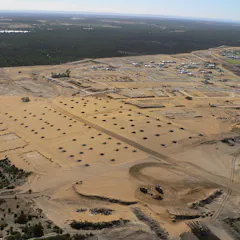
If Perth can preserve the rich biodiversity of its setting, it will become a model for sustainable city development that fully connects with the value of natural ecosystem services.
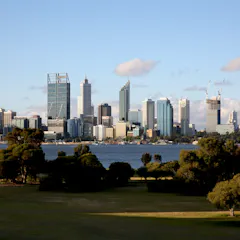
With a strategic plan adopted, it not only shows where development should be avoided but clears the way for development in other areas. So Perth needs to get it right.
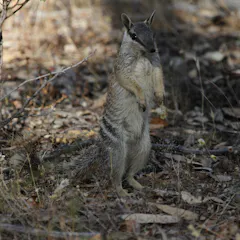
South west Australia is home to an astonishing number of plants and some of the country’s weirdest wildlife. Now we need to protect it.
Top contributors
-

Emeritus professor, The University of Western Australia
-
Associate professor, Stellenbosch University
-
Professor of Sustainability, Curtin University
-
Deputy Director, Australian Urban Design Research Centre, The University of Western Australia
-
Professor of Plant Biology and Past Inaugural Head of School of Plant Biology, The University of Western Australia
-
Honorary Research Fellow, University of Sydney
-
Adjunct Assoc. Professor, The University of Western Australia
-
Professor in Ecology, Charles Sturt University
-
ARC Future Fellow, Queensland University of Technology
-
Researcher and Lecturer in Conservation Science, The University of Queensland
-
Emerging artist, Indigenous Knowledge
-
Senior Researcher, Agricultural Research Council
-
Research Associate, The University of Western Australia
-
Research Chair, African Climate and Development Initiative, University of Cape Town
-
Senior Researcher in Hydro-Climatology, University of Cape Town